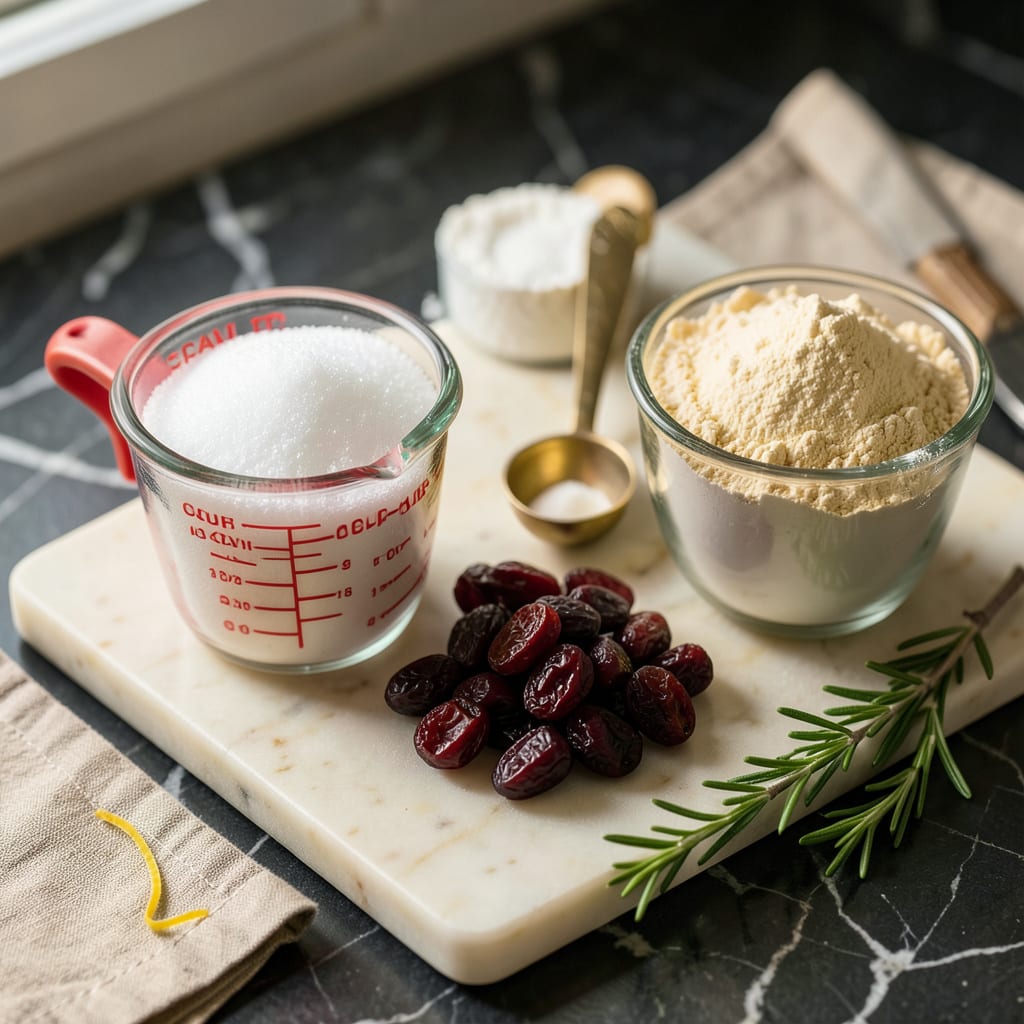
A scant cup means slightly less than a full cup—typically 1 to 2 tablespoons under the 1-cup mark. It’s used in recipes where precise measurement prevents excess moisture or density issues.
I’ve found this measurement particularly useful in baking, where even small variations can make or break your results. 🔥 Imagine adding a full cup of flour when your cake batter needs just a touch less—suddenly, you’re dealing with a dense, dry crumb instead of that light, airy texture you wanted. The term “scant” acts as a safeguard, giving you that extra control when recipes demand precision without overcomplicating the process.
What’s interesting is how often this technique appears in older recipes or professional kitchens, where bakers rely on experience to fine-tune measurements. It’s not about being stingy with ingredients—it’s about understanding how slight adjustments can transform your final dish. For example, reducing sugar by just 2 tablespoons in a cookie recipe might prevent excessive spreading while keeping the perfect chew.
💡 In This Article
- Why Recipes Call for a Scant Cup Measurement
- How to Measure a Scant Cup Accurately
Why Recipes Call for a Scant Cup Measurement
This measurement isn’t about being frugal—it’s about controlling chemical reactions. In baking, flour proteins (glutenin and gliadin) form gluten when hydrated. A full cup might push your dough over the ideal 12-13% protein threshold, creating tough bread instead of tender crumbs.
🔥 That 1-2 tablespoon reduction keeps the protein ratio perfect for cakes, pie crusts, or delicate cookies where structure matters.
Sugar behaves similarly—it’s hygroscopic, meaning it attracts and holds water. A scant cup of sugar in meringues prevents weeping by reducing excess moisture that would destabilize the egg whites. In caramel sauces, that slight reduction means the difference between silky smoothness and grainy crystallization.
I’ve seen professional pastry chefs use this trick when humidity spikes, adjusting sugar measurements to compensate for atmospheric moisture.
Liquids follow the same principle. A scant cup of milk in pancake batter yields fluffier results than a full cup, which can make them gummy. The science lies in starch gelatinization—too much liquid causes starch granules to swell excessively, creating a dense final product.
This is why my grandmother’s biscuit recipe always called for a “not-quite-full” cup of buttermilk—she knew the 80% hydration sweet spot by instinct.
Temperature-sensitive recipes benefit most. Yeast doughs with a scant cup of water rise more predictably because the hydration level stays in the 75-80°F optimal range for fermentation. Chocolate work demands this precision too—just 1 tablespoon less cream in ganache prevents seizing when tempering. It’s these microscopic adjustments that separate good results from extraordinary ones.
Consider these common scenarios where scant measurements shine:
- Pie dough: 1 tablespoon less ice water prevents gluten development for flakier crusts
- Meringues: Reduced sugar by 2 tablespoons maintains stability in humid climates
- Custards: Slightly less dairy prevents curdling during gentle 325°F baking
- Glazes: Scant powdered sugar measurements avoid graininess in delicate icings
The beauty lies in how this simple term encodes generations of culinary wisdom. When you see “scant cup” in a recipe, you’re holding a key to texture control that chefs have perfected through countless trials. It’s not just measurement—it’s insurance against common baking pitfalls. ✨

Trained in classic French technique but raised on slow-cooked ribs and spicy rubs, she blends culinary skill with smoke and soul.
- Recipe for Boneless Pork Chops in Cast Iron Skillet: Sear and Baste to Juicy Perfection - October 3, 2026
- Recipe for Boneless Cross Rib Roast: Slow-Roasted Beef with Herb Crust - October 3, 2026
- Hamburgers in Sauce Recipe Crock Pot: Slow-Cooked Savory Delight - October 3, 2026