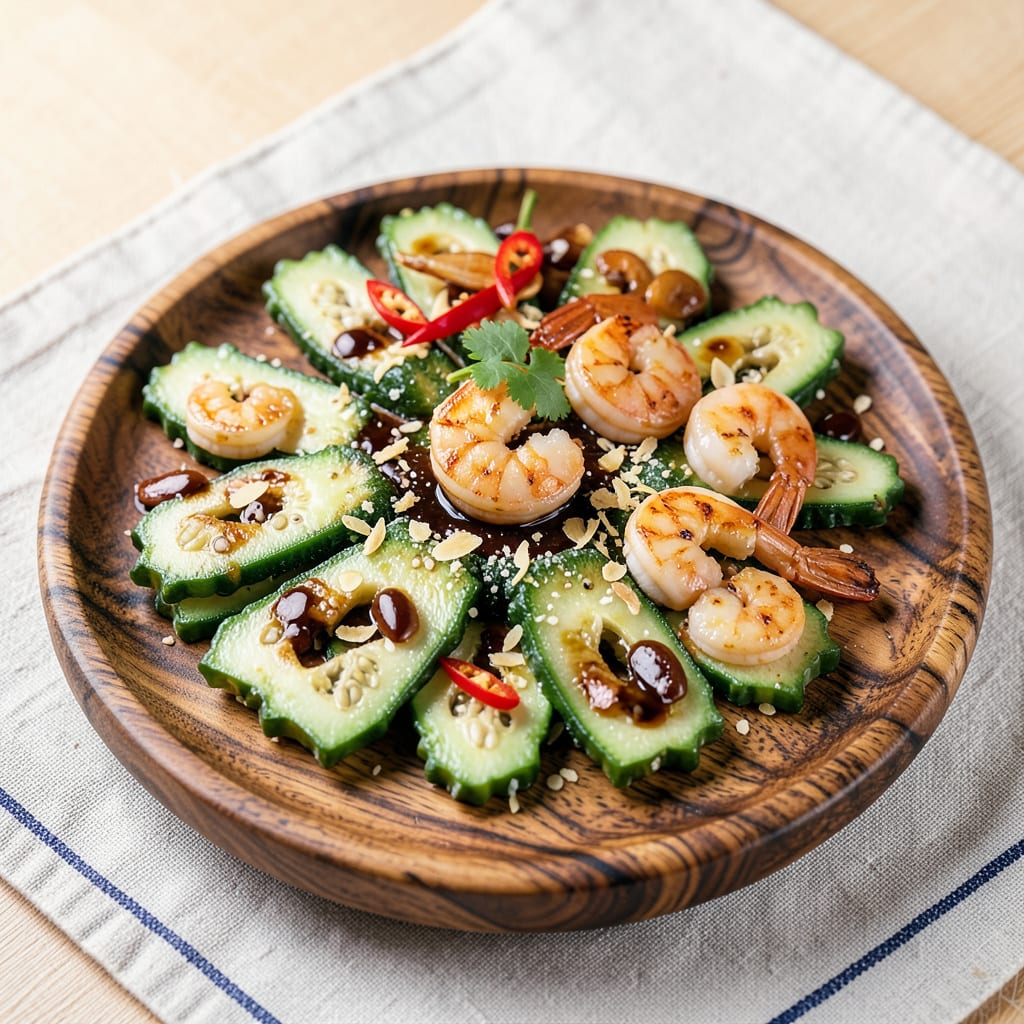
Bitter melon has an intensely bitter, earthy flavor with subtle grassy and herbal notes. Its crisp, watery texture softens when cooked, but the bitterness remains dominant—similar to a cross between cucumber and bitter greens like dandelion or kale.
This isn’t your typical vegetable—it’s an acquired taste that divides kitchens worldwide. 🔥 The bold flavor comes from compounds like momordicin, which also contribute to its medicinal reputation in traditional cuisines. I’ve noticed that when prepared properly, its sharpness can be balanced beautifully with rich ingredients like coconut milk or fermented bean paste. The key is understanding that its intensity isn’t meant to be masked but harmonized with complementary flavors.
💡 In This Article
- Why Bitter Melon’s Flavor Is So Intense and Polarizing
- How to Balance Bitter Melon’s Flavor in Cooking
Why Bitter Melon’s Flavor Is So Intense and Polarizing
The secret behind bitter melon’s unmistakable taste lies in its unique chemistry. This vegetable contains momordicin and charantin, two compounds that trigger our bitter taste receptors far more intensely than most plants.
These molecules evolved as natural defenses against pests, but they also give bitter melon its medicinal properties—studies show they help regulate blood sugar levels. The concentration varies: younger fruits contain 20-30% more of these compounds than mature ones.
Growing conditions dramatically affect its flavor intensity. Bitter melons cultivated in hot, dry climates develop thicker skins and higher concentrations of bitter compounds—sometimes measuring 1.5-2 times more intense than those grown in humid, tropical regions. I’ve tasted specimens from India that nearly numbed my taste buds compared to milder Thai varieties.
The soil composition matters too: volcanic soils produce melons with earthier undertones, while sandy soils yield slightly sweeter notes.
What makes this vegetable so polarizing is how our brains process its flavor. The bitterness activates TAS2R receptors on our tongues, which evolved to warn us about potential toxins. Some people have genetic variations making them super-tasters, experiencing the bitterness as overwhelming.
Meanwhile, cultures that regularly consume bitter melon have developed taste preferences that appreciate its complexity—similar to how coffee or dark chocolate lovers acquire their preferences.
Compared to other bitter vegetables, bitter melon stands in a league of its own. Brussels sprouts contain about 15-20 mg of glucosinolates per 100g, while bitter melon packs 50-75 mg of momordicin alone. The texture adds another layer: its crisp, almost cucumber-like flesh contrasts sharply with the bitter explosion.
When cooked, the cell walls break down but the bitterness remains, creating a fascinating push-pull between soft texture and intense flavor.
Traditional medicine systems have long valued this intensity. In Ayurveda, bitter melon’s strong flavor is believed to “cool” the body and balance excess heat. Chinese medicine uses it to “dry dampness” in the system.
This cultural appreciation explains why the vegetable appears in everything from Indian karela curries to Filipino ampalaya stir-fries—cuisines that have learned to harness rather than hide its powerful nature. 💫
The bitterness also serves a culinary purpose beyond medicine. In complex dishes, it acts like a flavor highlighter—cutting through richness and cleansing the palate. I’ve seen it work miracles in coconut milk-based curries, where its sharpness balances the fat’s heaviness.
The key is understanding that its intensity isn’t a flaw to be masked but a feature to be celebrated and controlled through careful pairing.

Trained in classic French technique but raised on slow-cooked ribs and spicy rubs, she blends culinary skill with smoke and soul.
- Recipe for Boneless Pork Chops in Cast Iron Skillet: Sear and Baste to Juicy Perfection - October 3, 2026
- Recipe for Boneless Cross Rib Roast: Slow-Roasted Beef with Herb Crust - October 3, 2026
- Hamburgers in Sauce Recipe Crock Pot: Slow-Cooked Savory Delight - October 3, 2026