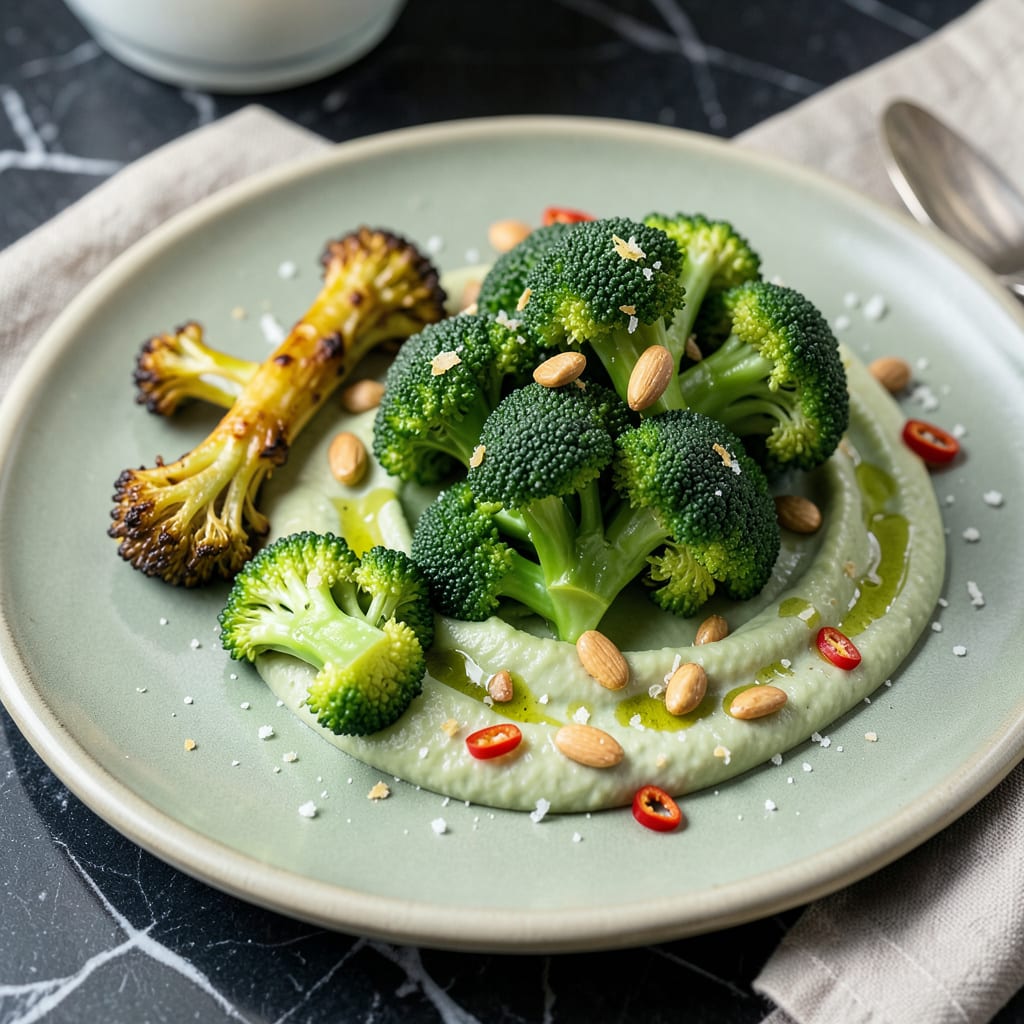
Broccoli has a mild, slightly bitter, earthy flavor with fresh grassy notes when raw, transforming into a sweeter, nuttier taste when cooked. Its crunchy texture softens with heat, making it versatile in dishes.
This flavor transformation happens because heat breaks down broccoli’s natural sulfur compounds, reducing bitterness while bringing out its inherent sweetness. 🔥 I’ve noticed that younger, fresher florets tend to have a more delicate taste compared to mature stalks, which can be more robust. The key to unlocking its best flavor lies in how you prepare it—whether you’re charring it for smokiness or blanching it to preserve its crispness.
💡 In This Article
- Factors That Influence Broccoli’s Unique Flavor
- Best Cooking Techniques to Enhance Broccoli’s Taste
Factors That Influence Broccoli’s Unique Flavor
The distinct taste of broccoli comes from its sulfur-containing compounds called glucosinolates. These natural chemicals give cruciferous vegetables their characteristic slightly bitter, earthy notes. When raw, broccoli contains higher concentrations of these compounds, which is why it tastes more pungent and grassy.
The younger the broccoli, the milder these flavors—fresh spring harvests often have a sweeter profile than mature fall crops.
Growing conditions dramatically affect flavor intensity. Broccoli grown in cooler climates (like coastal California) develops more concentrated glucosinolates as a protective mechanism, resulting in a sharper taste. 🌱 In contrast, broccoli from warmer regions tends to be milder.
Soil quality matters too—organic farming with rich compost produces sweeter broccoli, while conventional farming with synthetic fertilizers can sometimes enhance bitterness.
What most people don’t realize is that broccoli’s flavor changes with maturity. The tight, dark green florets contain more chlorophyll and sulfur compounds than the lighter stems, which are naturally sweeter. I’ve found that broccoli harvested after a light frost actually tastes sweeter because the plant converts starches to sugars as a natural antifreeze mechanism.
This is why winter broccoli often has a more complex flavor profile.
The chemical transformation during cooking is fascinating. When heated above 140°F, glucosinolates break down into isothiocyanates, which reduce bitterness while enhancing nutty, almost buttery notes. Roasting at 425°F for 20-25 minutes creates caramelization that adds depth, while quick blanching preserves more of the fresh, green flavor.
The difference is like comparing a raw almond to toasted almond butter.
Storage conditions play a surprising role too. Broccoli kept in airtight containers produces more sulfur compounds as it respirates, becoming bitter faster. 💨 That’s why I always store it in perforated bags in the crisper drawer—this maintains humidity while allowing ethylene gas to escape.
Even the time between harvest and consumption matters: broccoli loses about 30% of its sugar content within the first 24 hours after picking.
Consider these key flavor influencers:
- Variety: Purple sprouting broccoli has a nuttier taste than standard green
- Age: Younger stalks are tender and sweet; mature ones develop woody fibers
- Cooking method: Steaming preserves more sulfur compounds than roasting
- Season: Spring broccoli is milder than fall-harvested varieties

Trained in classic French technique but raised on slow-cooked ribs and spicy rubs, she blends culinary skill with smoke and soul.
- Recipe for Boneless Pork Chops in Cast Iron Skillet: Sear and Baste to Juicy Perfection - October 3, 2026
- Recipe for Boneless Cross Rib Roast: Slow-Roasted Beef with Herb Crust - October 3, 2026
- Hamburgers in Sauce Recipe Crock Pot: Slow-Cooked Savory Delight - October 3, 2026