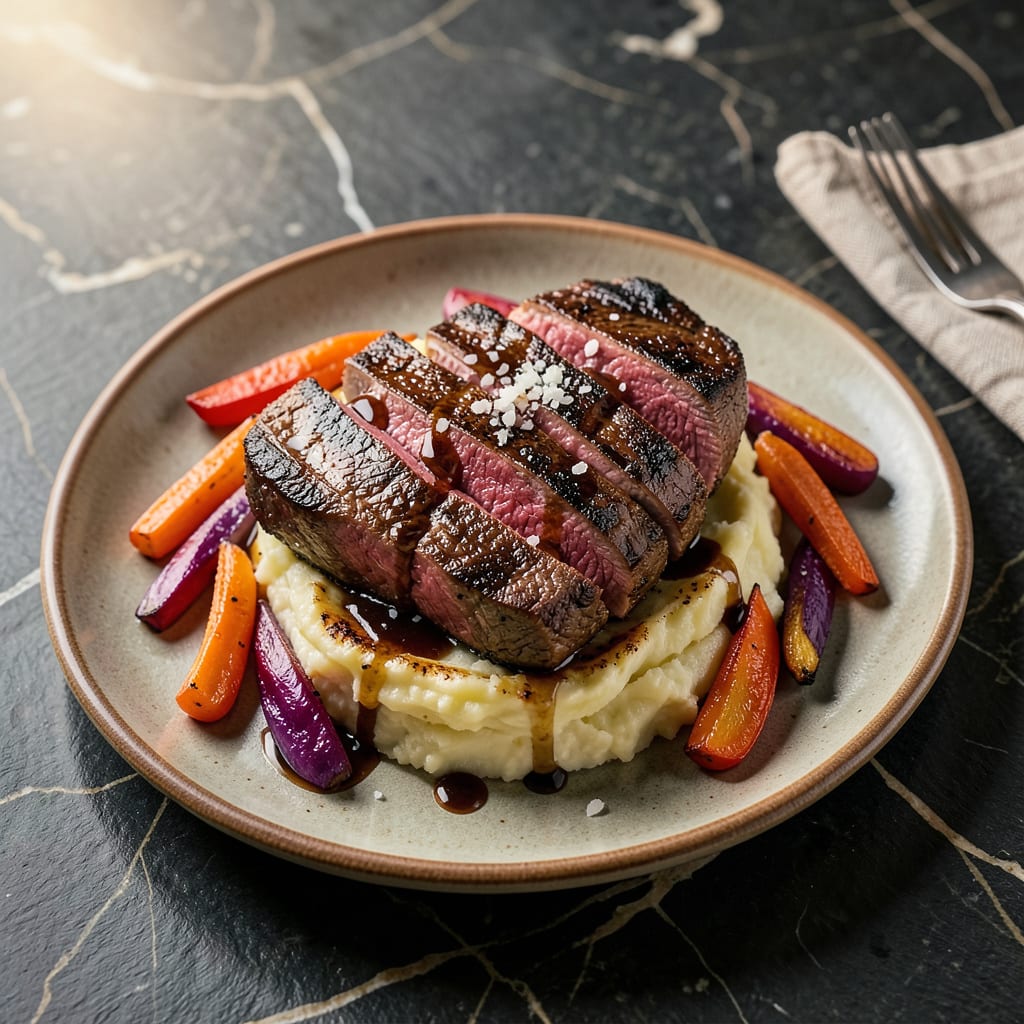
Browning sauce adds deep, rich color and savory caramelized flavor to dishes like gravies, stews, and meats. It enhances umami notes while creating an appetizing dark brown appearance without burning or overcooking.
I think of browning sauce as my secret weapon for transforming bland-looking dishes into restaurant-quality meals. 🔥 The magic happens through controlled caramelization of sugars and the Maillard reaction between amino acids and reducing sugars—this creates complex flavor layers that plain browning methods can’t match. For example, adding just 1 tablespoon to beef stew instantly deepens both the color and the savory backbone, making it taste like it simmered for hours longer.
What’s fascinating is how it bridges the gap between homemade and professional cooking. ✨ Many classic French sauces rely on this technique to achieve their signature depth, but browning sauce lets you skip the hours of reduction while still getting that rich, meaty essence. I’ve used it to rescue everything from pale gravies to lackluster meatloaf—it’s the difference between “good” and “where’d you learn to cook like this?”
💡 In This Article
- How Browning Sauce Transforms Flavor and Appearance
- Best Ways to Use Browning Sauce in Home Cooking
How Browning Sauce Transforms Flavor and Appearance
The power of browning sauce lies in its ability to trigger two key chemical reactions simultaneously. First, the sugars in the sauce undergo caramelization when heated, breaking down into hundreds of new flavor compounds that create deep, toasty sweetness.
At the same temperature range (280-330°F), the amino acids from protein ingredients react with these sugars in the Maillard reaction—this is what builds those complex, meaty flavors that make your mouth water. 🔥
What sets browning sauce apart from simply searing meat is its controlled concentration of these reactions. While a steak might develop flavorful crust on its surface, browning sauce captures and intensifies these compounds in liquid form.
A single tablespoon contains about 3-5 times more flavor-active molecules than you’d get from pan drippings alone, thanks to its carefully balanced sugar-protein ratio and precise cooking process.
The color transformation is equally scientific. As the sugars caramelize, they form melananoidins—dark brown pigments that give the sauce its signature hue. These compounds are light-stable, meaning they won’t fade during cooking like some artificial colorings might.
When you add browning sauce to a pale beef broth, you’re not just darkening it superficially; you’re actually creating new pigment molecules that bond with the liquid at a molecular level. ✨
Here’s where it gets interesting for umami development: The Maillard reaction produces specific compounds like pyrazines and thiazoles that our brains associate with “cooked meat” flavors. Browning sauce concentrates these, which is why just 1-2 teaspoons can make a vegetarian stew taste unexpectedly meaty.
I’ve used this trick in mushroom gravies to create a richness that fools even dedicated carnivores.
The sauce also contains natural glutamates that amplify existing umami in dishes. When these combine with the nucleotides present in meats (like inosinate in beef or guanylate in mushrooms), you get a synergistic effect that makes flavors pop.
This is why browning sauce works miracles in small quantities—it’s not just adding flavor, but actually enhancing what’s already there through chemical amplification. 💫
Temperature control is everything with browning sauce. Unlike regular browning where you risk burning, the sauce’s balanced formulation lets you achieve deep color at lower temperatures (250-300°F). This means you can develop rich flavors without the acrid notes that come from overheating sugars.
The result is a clean, complex taste that professional chefs spend hours building through careful reduction techniques.
What most home cooks don’t realize is that browning sauce essentially gives you pre-made fond—the flavorful browned bits that form the base of professional pan sauces. Instead of spending 20-30 minutes deglazing and reducing, you get that same depth instantly.
I keep a bottle in my pantry specifically for those weeknight meals when I want restaurant-quality flavor without the restaurant-level effort. ⚡

Trained in classic French technique but raised on slow-cooked ribs and spicy rubs, she blends culinary skill with smoke and soul.
- Recipe for Boneless Pork Chops in Cast Iron Skillet: Sear and Baste to Juicy Perfection - October 3, 2026
- Recipe for Boneless Cross Rib Roast: Slow-Roasted Beef with Herb Crust - October 3, 2026
- Hamburgers in Sauce Recipe Crock Pot: Slow-Cooked Savory Delight - October 3, 2026