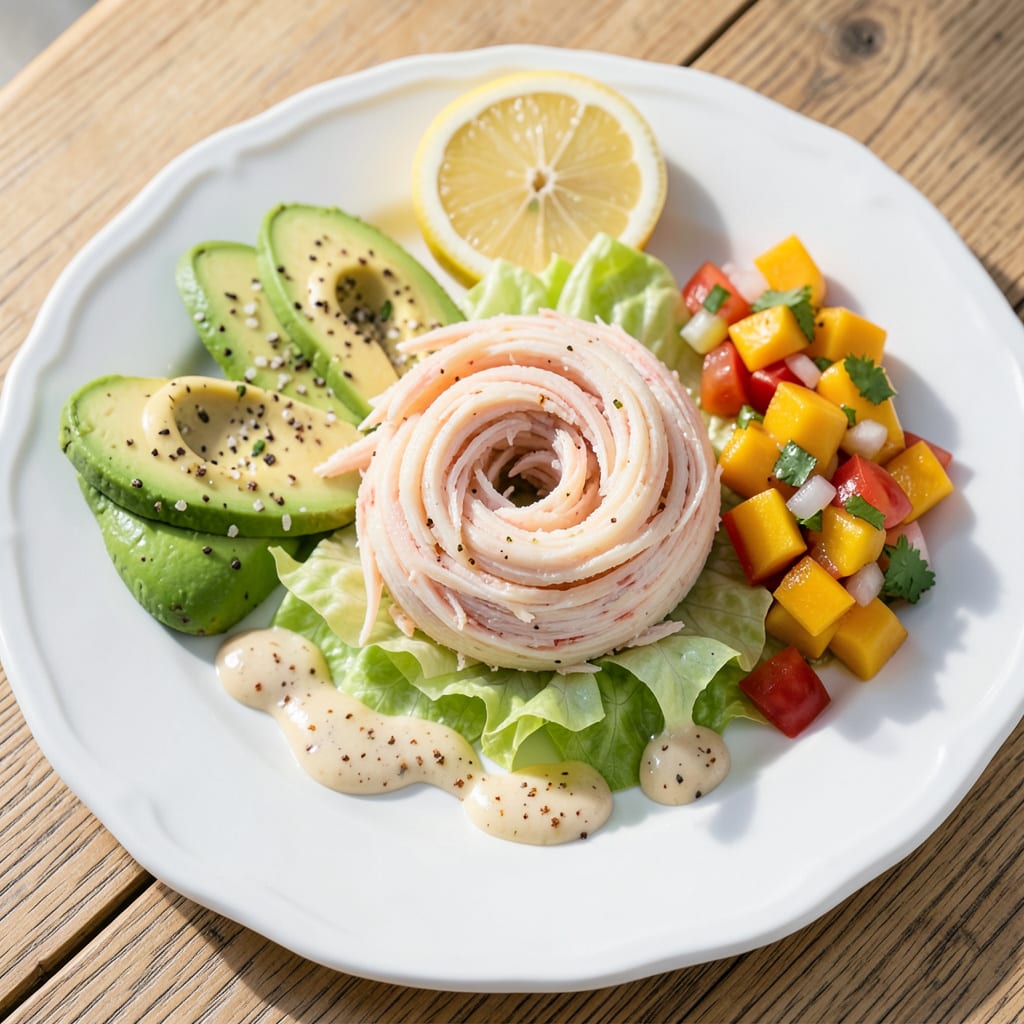
Imitation crab has a mild, slightly sweet flavor with a delicate seafood essence, though less intense than real crab. Its texture is firm yet flaky, often softer and more uniform than genuine crabmeat.
I’ve worked with imitation crab in everything from sushi rolls to seafood salads, and what stands out is its adaptability. The subtle sweetness comes from added ingredients like crab extract and sugar, while the smooth texture is crafted through surimi processing—where fish protein is blended with starches and shaped into those familiar flakes. 🔥
What surprises most people is how well it absorbs flavors, making it perfect for dishes where you want a seafood element without overpowering other ingredients. I often recommend it for cold preparations like ceviche or dips, where its delicate nature shines without competing with bold seasonings.
💡 In This Article
- Flavor and Texture Breakdown of Imitation Crab
- Best Ways to Cook and Serve Imitation Crab
Flavor and Texture Breakdown of Imitation Crab
The unique taste of imitation crab starts with its base ingredient: surimi, a paste made from finely minced white fish (usually pollock or cod). This fish protein is washed repeatedly to remove impurities, then blended with starches like wheat or potato to create a smooth, malleable texture.
The mild sweetness you notice comes from added ingredients like crab extract (0.5-2%), sugar, and sometimes MSG—all carefully balanced to mimic real crab’s delicate flavor profile. 🔥
What really sets imitation crab apart is its texture engineering. The surimi mixture is extruded into those familiar flaked shapes and steam-cooked, which gives it that firm yet slightly bouncy consistency. Unlike real crab meat (which has natural muscle fibers), imitation crab’s texture is more uniform because of the starch binders.
When you bite into it, you’ll notice it’s softer than king crab but firmer than delicate Crab Legs Recipe: Seafood Luxury in Minutes”>snow crab flakes—almost like a cross between cooked shrimp and scallops.
The mouthfeel experience changes dramatically with temperature. Served chilled (around 40°F), imitation crab maintains its signature firmness and clean seafood taste. But when heated above 140°F, the starches begin to soften and the protein structure relaxes, making it more tender.
This is why it works so well in hot dishes like crab rangoons (where it melts slightly) versus cold applications like sushi rolls (where it holds its shape). ✨
Compared to other seafood substitutes, imitation crab has about 30% less protein than real crab but contains more carbohydrates from the added starches. The flavor intensity sits between shrimp (which is sweeter) and cod (which is milder), with a subtle umami note from the crab extract.
What’s fascinating is how well it absorbs surrounding flavors—when I’ve used it in ceviche, it takes on citrus notes beautifully without losing its core seafood character.
Here’s what most people don’t realize: the “crab” flavor isn’t just from the extract. The processing includes a step where the surimi is exposed to transglutaminase, an enzyme that helps bind proteins and enhances the seafood-like texture. This is the same enzyme used in high-end molecular gastronomy to create “fake” scallops from fish proteins.
The result is a product that flakes apart cleanly but doesn’t have the stringy fibers you’d find in real crab legs. 💫
For those watching their sodium intake, it’s worth noting that imitation crab typically contains 700-900mg of sodium per 3oz serving—about three times more than real crab. This comes from the salt added during processing to enhance flavor and preserve the product.
The aftertaste is clean with just a hint of sweetness, making it more versatile than some fishier seafood alternatives like smoked mackerel or anchovies.
The color also plays a role in perception. Those orange-red hues come from natural colorants like paprika or carmine, which are added to mimic cooked crab’s appearance. Interestingly, the color fades slightly when heated, which is why imitation crab in hot dishes often looks paler than when served cold.
This visual change doesn’t affect the flavor but can impact how we perceive the taste experience. 🌟

Trained in classic French technique but raised on slow-cooked ribs and spicy rubs, she blends culinary skill with smoke and soul.
- Recipe for Boneless Pork Chops in Cast Iron Skillet: Sear and Baste to Juicy Perfection - October 3, 2026
- Recipe for Boneless Cross Rib Roast: Slow-Roasted Beef with Herb Crust - October 3, 2026
- Hamburgers in Sauce Recipe Crock Pot: Slow-Cooked Savory Delight - October 3, 2026