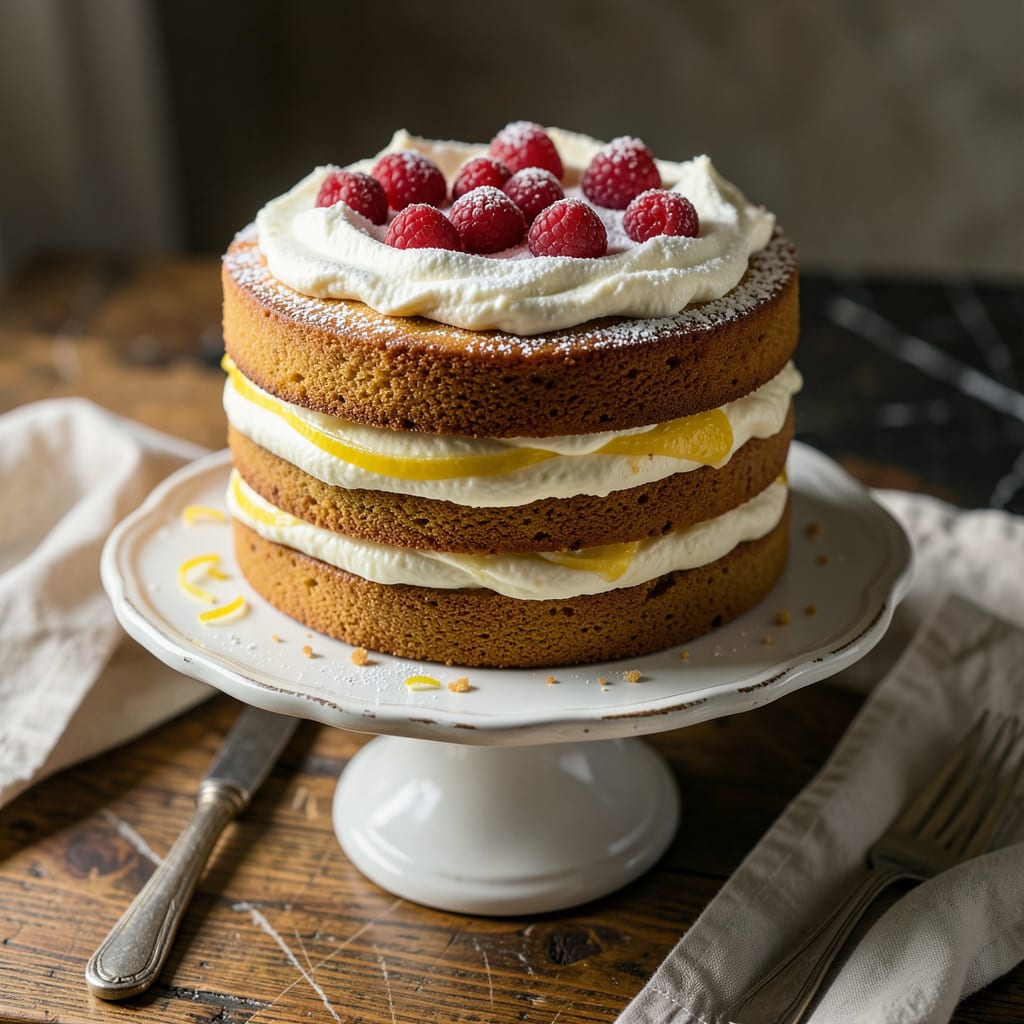
If your cake mix requires more than 2 eggs, you can substitute each missing egg with ¼ cup unsweetened applesauce, ¼ cup yogurt, or 1 tablespoon vinegar mixed with 1 teaspoon baking soda. These keep moisture and structure intact.
I’ve tested these swaps in my own kitchen, and the results consistently surprise people. The vinegar-baking soda combo mimics eggs’ leavening power by creating tiny air bubbles, while yogurt adds richness that’s especially great for chocolate cakes. What’s clever about these substitutes is how they adapt to different cake styles—applesauce keeps spice cakes tender, and yogurt gives vanilla cakes a velvety crumb. 💫
The key is matching the substitute to your cake’s needs. For example, if you’re baking a light angel food cake, stick with yogurt to maintain airiness, but for a dense carrot cake, applesauce enhances moisture without overpowering. I always remind bakers to check their mix’s fat content—lower-fat mixes benefit from yogurt’s extra richness. ✨
💡 In This Article
- How Egg Substitutes Work in Cake Mix Chemistry
- Best Egg Substitutes for Different Cake Mix Types
How Egg Substitutes Work in Cake Mix Chemistry
Eggs play three critical roles in cake chemistry: binding ingredients together, leavening (helping the cake rise), and adding moisture. The proteins in eggs coagulate during baking, creating a stable structure that holds everything together. Meanwhile, the water content in eggs converts to steam, which expands and lifts the batter.
When you’re short on eggs, the substitute must replicate these functions to avoid a dense or crumbly result. 🔥
The vinegar and baking soda combination works because it creates a chemical reaction that produces carbon dioxide bubbles—mimicking the leavening action of eggs. This reaction starts immediately when mixed, so it’s crucial to bake the cake right after combining these ingredients.
For moisture, unsweetened applesauce works beautifully because its pectin content helps bind while adding tenderness. The natural sugars in applesauce also contribute to browning and flavor development during baking.
Yogurt brings both protein and fat to the table, which is why it’s my go-to for richer cakes. The proteins in yogurt coagulate similarly to egg proteins, while the fat content (about 3-4% in regular yogurt) adds tenderness and moisture retention.
Greek yogurt works even better with its higher protein content (10-15g per ¼ cup), giving structure to cakes that might otherwise be too delicate. For best results, I always recommend using plain, unsweetened yogurt to avoid altering the cake’s intended flavor profile. ✨
What most home bakers don’t realize is that egg substitutes affect more than just texture—they influence flavor and browning too. Applesauce adds a subtle fruitiness that complements spice cakes beautifully, while yogurt contributes a slight tang that enhances chocolate flavors. The vinegar-baking soda combo leaves no detectable flavor but creates a lighter crumb structure.
I’ve found that cakes made with yogurt substitutes develop a golden-brown crust faster due to the Maillard reaction between the yogurt’s proteins and sugars. 💫
For those watching dietary restrictions, these substitutes offer bonus benefits. Applesauce reduces the fat content by about 5g per substitution compared to eggs, while yogurt adds probiotics. The vinegar-baking soda method creates a completely egg-free result that’s ideal for vegan baking.
Just remember that starch-based substitutes like applesauce may require an extra 1-2 minutes of baking time since they add more liquid to the batter. Always check for doneness with a toothpick inserted in the center—it should come out with just a few moist crumbs clinging to it. ⚡
The science behind these swaps is what makes them reliable. When you understand that eggs are essentially providing structure, lift, and moisture, it becomes clear why certain ingredients can step in as substitutes.
The key is matching the substitute’s properties to what your specific cake needs most—whether that’s extra rise, richer flavor, or additional moisture to compensate for a drier mix. 🌟

Trained in classic French technique but raised on slow-cooked ribs and spicy rubs, she blends culinary skill with smoke and soul.
- Recipe for Boneless Pork Chops in Cast Iron Skillet: Sear and Baste to Juicy Perfection - October 3, 2026
- Recipe for Boneless Cross Rib Roast: Slow-Roasted Beef with Herb Crust - October 3, 2026
- Hamburgers in Sauce Recipe Crock Pot: Slow-Cooked Savory Delight - October 3, 2026