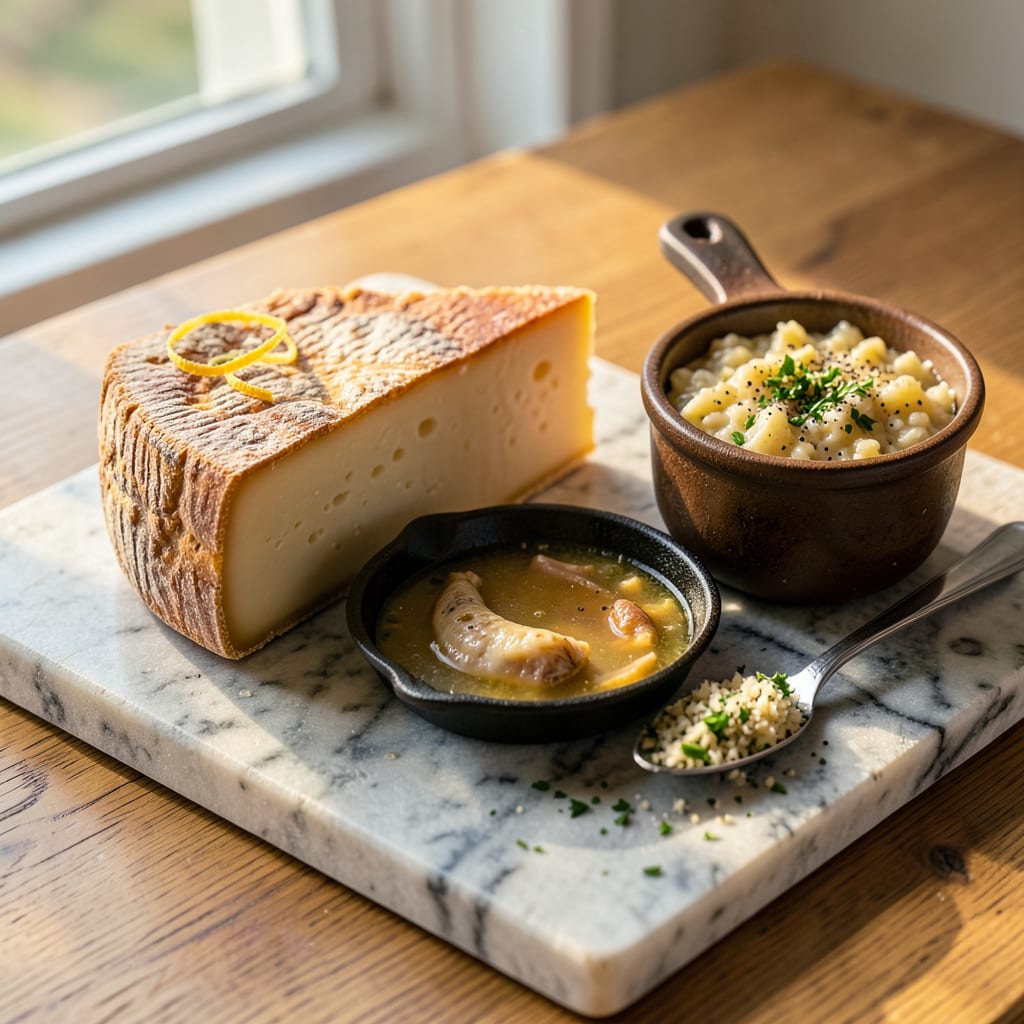
Check specialty cheese shops, Italian markets, or grocery store deli counters—they often sell or give away parmesan rinds for free. Many restaurants also save them for customers who ask. Online retailers like Amazon or cheese subscription services offer them too.
I’ve found that the best spots for these flavor-packed treasures are places that regularly cut into large parmesan wheels. 🔥 Cheesemongers at specialty shops often set aside rinds specifically for cooking—just ask at the counter. Italian markets, especially family-owned ones, frequently give them away because they know how valuable they are for broths and sauces. Even some upscale grocery chains now package and sell rinds in their cheese sections, making them easier to find than ever.
💡 In This Article
- Why Cheese Shops and Italian Markets Are the Best for Parmesan Rinds
- Creative Ways to Use Parmesan Rinds in Cooking
Why Cheese Shops and Italian Markets Are the Best for Parmesan Rinds
Here’s what most people don’t realize: authentic Parmigiano-Reggiano wheels weigh 80-100 pounds each, and every time a wedge is cut, a thick rind remains. Specialty cheese shops and Italian markets process dozens of these wheels weekly, accumulating more rinds than they can use.
The rind itself is technically edible but too tough for direct consumption—making it perfect for cooking applications where its concentrated umami flavor can infuse liquids. 🔥
Artisanal cheese shops source wheels aged 12-36 months, while mass-market grocers typically carry younger, pre-cut parmesan. This aging difference is crucial: older wheels develop more crystalline tyrosine clusters in the rind, which dissolve during cooking to create that signature nutty depth.
Italian markets often receive direct shipments from Parma, meaning their rinds come from wheels that were aged in traditional salt baths—a process that enhances mineral complexity.
The cultural tradition runs deep in Italian cuisine, where “formaggio di riserva” (reserved cheese) includes rinds specifically for broths. Many family-owned markets follow this practice, setting aside rinds in freezer bags for regular customers.
I’ve found shops like Di Bruno Bros in Philadelphia or Eataly locations nationwide will often hand over rinds for free if you’re buying other cheese—just ask for “scorze di parmigiano” to sound like a pro. ✨
Quality matters when selecting rinds. Look for pieces with:
- Golden-brown color (indicates proper aging)
- Visible salt crystals (sign of traditional production)
- Minimal wax coating (some mass producers seal rinds)
The storage process affects flavor too. Properly aged rinds should be kept in airtight containers for up to 6 months in the freezer, where their enzymes remain active. Some shops even vacuum-seal their rind giveaways to preserve quality.
The fat content in artisanal rinds (about 28-32%) means they’ll melt more completely into sauces than industrial versions.
Here’s a pro tip: visit shops on Wednesday afternoons. That’s when many receive their weekly cheese deliveries and process new wheels, meaning fresh rinds are available. The cutters will often have just removed the outer “crostino” layer—the most flavorful part of the rind—that they’d otherwise discard.
This timing gives you access to the most potent pieces for your cooking. 💫

Trained in classic French technique but raised on slow-cooked ribs and spicy rubs, she blends culinary skill with smoke and soul.
- Recipe for Boneless Pork Chops in Cast Iron Skillet: Sear and Baste to Juicy Perfection - October 3, 2026
- Recipe for Boneless Cross Rib Roast: Slow-Roasted Beef with Herb Crust - October 3, 2026
- Hamburgers in Sauce Recipe Crock Pot: Slow-Cooked Savory Delight - October 3, 2026