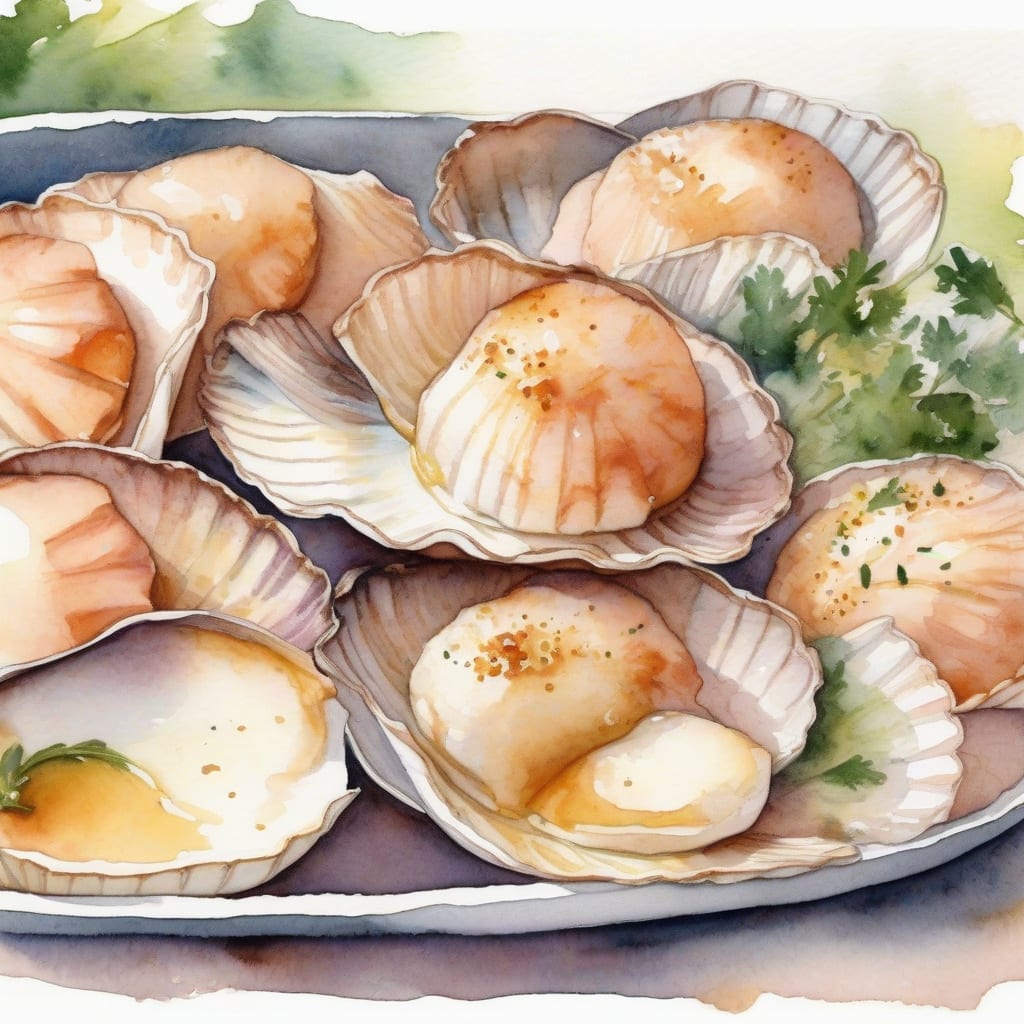
I’ve discovered that soaking scallops in milk before cooking makes all the difference in achieving tender, succulent results. ✨ The acidity in milk helps break down the proteins, resulting in a more delicate texture that’s sure to impress.
This simple step, combined with proper cooking techniques, elevates scallops from good to great. By controlling the heat and cooking time, you’ll achieve a beautiful sear on the outside while maintaining that tender interior.
With this method, you’ll be serving restaurant-quality scallops in no time. Let’s dive into the details of how to prepare and cook them to perfection.
Ingredients for why do you soak scallops in milk before cooking?
These simple ingredients come together to create tender, succulent scallops every time.
| Ingredient | Amount | Notes |
|---|---|---|
| Scallops 🦐 | 1 lb | Fresh, dry-packed preferred |
| Whole Milk 🥛 | 1 cup | For soaking scallops |
| Unsalted Butter 🧈 | 4 tbsp | For cooking, divided |
| Garlic Cloves 🧄 | 2 cloves | Minced, for flavor |
| Fresh Parsley 🌿 | ¼ cup | Chopped, for garnish |
| Lemon Juice 🍋 | 2 tbsp | Freshly squeezed |
| Salt 🧂 | ½ tsp | Kosher or sea salt |
| Black Pepper 🌶️ | ¼ tsp | Freshly ground preferred |
| All-Purpose Flour 🌾 | ¼ cup | For dredging, optional |
| White Wine 🍷 | ¼ cup | Dry, for deglazing |
| Fresh Thyme 🌿 | 2 sprigs | For flavor, optional |
| Olive Oil 🫒 | 1 tbsp | For finishing, optional |
For the best results, use fresh, dry-packed scallops from your local fish market or high-quality grocery stores like Whole Foods. Look for scallops with a sweet ocean smell and firm texture. If you can't find dry-packed, make sure to pat wet-packed scallops dry thoroughly before cooking to remove excess moisture.
Don't have whole milk? You can substitute with half-and-half or a mixture of milk and cream for similar tenderizing effects. If you prefer not to use wine, you can substitute with additional lemon juice or broth for deglazing. For a gluten-free version, skip the flour dredge or use a gluten-free flour blend.
Store leftover cooked scallops in an airtight container in the refrigerator for up to 24 hours. Reheat gently in a pan with a little butter or oil to prevent overcooking. Fresh scallops should be cooked on the day of purchase for best results.
Step-by-Step Instructions for Soaking Scallops in Milk
Let me guide you through the process of preparing tender and delicious scallops by soaking them in milk.
👨🍳 Step 1: Prepare the Milk Soak
Start by pouring the 1 cup of whole milk into a large bowl. I like to use a container that’s wide enough to hold all the scallops in a single layer. The milk should be cold, straight from the refrigerator, as this helps to firm up the scallops and remove any impurities.
Add the 1 lb of scallops to the milk, making sure they’re fully submerged. If necessary, gently press them down to ensure they’re covered. Let the scallops soak in the milk for 30 minutes to 1 hour. This step is crucial as it helps to tenderize the scallops and remove any fishy flavor.
🔪 Step 2: Prepare the Scallops for Cooking
After the soaking time has elapsed, remove the scallops from the milk and pat them dry with paper towels. I like to be gentle but firm to remove excess moisture without damaging the delicate flesh. If you’re using the 0.25 cup of all-purpose flour for dredging, now’s the time to coat the scallops lightly. This helps create a nice crust when cooking.
Season the scallops with 0.5 tsp of salt and 0.25 tsp of black pepper. Make sure to coat them evenly on both sides. At this point, your scallops are ready to be cooked.
🍳 Step 3: Cook the Scallops to Perfection
Heat 2 tbsp of unsalted butter in a large skillet over medium-high heat. Once the butter starts to foam, add the scallops, leaving some space between each one to allow for even cooking. Cook for 2-3 minutes on the first side, or until they develop a nice golden crust. Flip them over and cook for another 1-2 minutes, until they’re cooked through and opaque.
Remove the scallops from the skillet and set them aside on a plate. Reduce the heat to medium and add the remaining 2 tbsp of unsalted butter to the same skillet. Once melted, add the 2 cloves of minced garlic and cook for 1 minute, until fragrant. Be careful not to burn the garlic.
🥘 Step 4: Finish with a Flavorful Sauce
Pour in the 0.25 cup of white wine and 2 tbsp of lemon juice into the skillet, scraping up any browned bits from the bottom. Let the liquid simmer for 2-3 minutes, until it’s reduced by half and has a nice glaze. Stir in the 2 sprigs of fresh thyme, if using.
Return the scallops to the the 2 tbsp of freshly squeezed lemon juice. Toss to coat the scallops in the sauce and cook for another 30 seconds to 1 minute, until heated through. Taste and adjust the seasoning with salt and pepper as needed.
Garnish with 0.25 cup of chopped fresh parsley and serve the scallops hot, spooning some of the flavorful sauce over the top. Enjoy your tender and delicious scallops!
Soaking scallops in milk before cooking is a simple yet effective technique that can elevate your seafood dishes to a whole new level. But why does it work so well? 🤔 The main reason is that the acidity in the milk helps to break down the proteins in the scallops, making them tender and succulent. The lactic acid in milk is particularly effective at tenderizing the delicate flesh of scallops, resulting in a more palatable texture that’s sure to impress.
The Science Behind Soaking Scallops in Milk
The process of soaking scallops in milk is based on a culinary technique called ” marinating”. The acidity in the milk, whether it’s from lactic acid or other compounds, helps to denature the proteins on the surface of the scallops. This makes the scallops more receptive to cooking, allowing them to sear more evenly and retain their moisture. It’s a bit like a mini-vacation for your scallops, where they get to relax and become more tender before being cooked to perfection! 🌟
- The casein in milk also helps to neutralize the fishy flavor and odor of scallops, leaving them with a sweeter and more neutral taste.
- The calcium in milk can help to strengthen the texture of the scallops, making them more firm and less prone to breaking apart during cooking.
By soaking scallops in milk, you can achieve a more tender, flavorful, and visually appealing dish that’s sure to delight your taste buds. And the best part? It’s incredibly easy to do! Simply submerge the scallops in milk for about 30 minutes to an hour before cooking, and you’re good to go. 💡 So, next time you’re cooking scallops, give this technique a try and experience the difference for yourself!
Tips & Tricks for Soaking Scallops in Milk
These expert tips will help you achieve perfectly tender scallops every time you cook them.
Milk Soaking Benefits: Soaking scallops in milk, as described in Step 1, helps remove impurities and tenderize them. The casein in milk binds to proteins, making the scallops more tender and less likely to become tough during cooking. For best results, use cold milk straight from the refrigerator.
Drying is Crucial: After soaking and before cooking (Step 2), pat the scallops dry with paper towels. This step is essential for achieving a good sear, as excess moisture prevents browning. Be gentle but firm to avoid damaging the delicate flesh.
Perfect Searing: When cooking the scallops in Step 3, make sure the butter is hot and foamy before adding them. Don’t overcrowd the pan—cook in batches if necessary. This ensures each scallop has enough room to sear properly, creating that beautiful golden crust.
Flavor Enhancement: Don’t skip the step of reducing the white wine and lemon juice in Step 4. This concentrated sauce adds depth of flavor to your dish. If you prefer a richer sauce, you can add a tablespoon of unsalted butter at the end to enrich it further. 🌟
Nutrition Facts
240kcal

Trained in classic French technique but raised on slow-cooked ribs and spicy rubs, she blends culinary skill with smoke and soul.
- Recipe for Boneless Pork Chops in Cast Iron Skillet: Sear and Baste to Juicy Perfection - October 3, 2026
- Recipe for Boneless Cross Rib Roast: Slow-Roasted Beef with Herb Crust - October 3, 2026
- Hamburgers in Sauce Recipe Crock Pot: Slow-Cooked Savory Delight - October 3, 2026