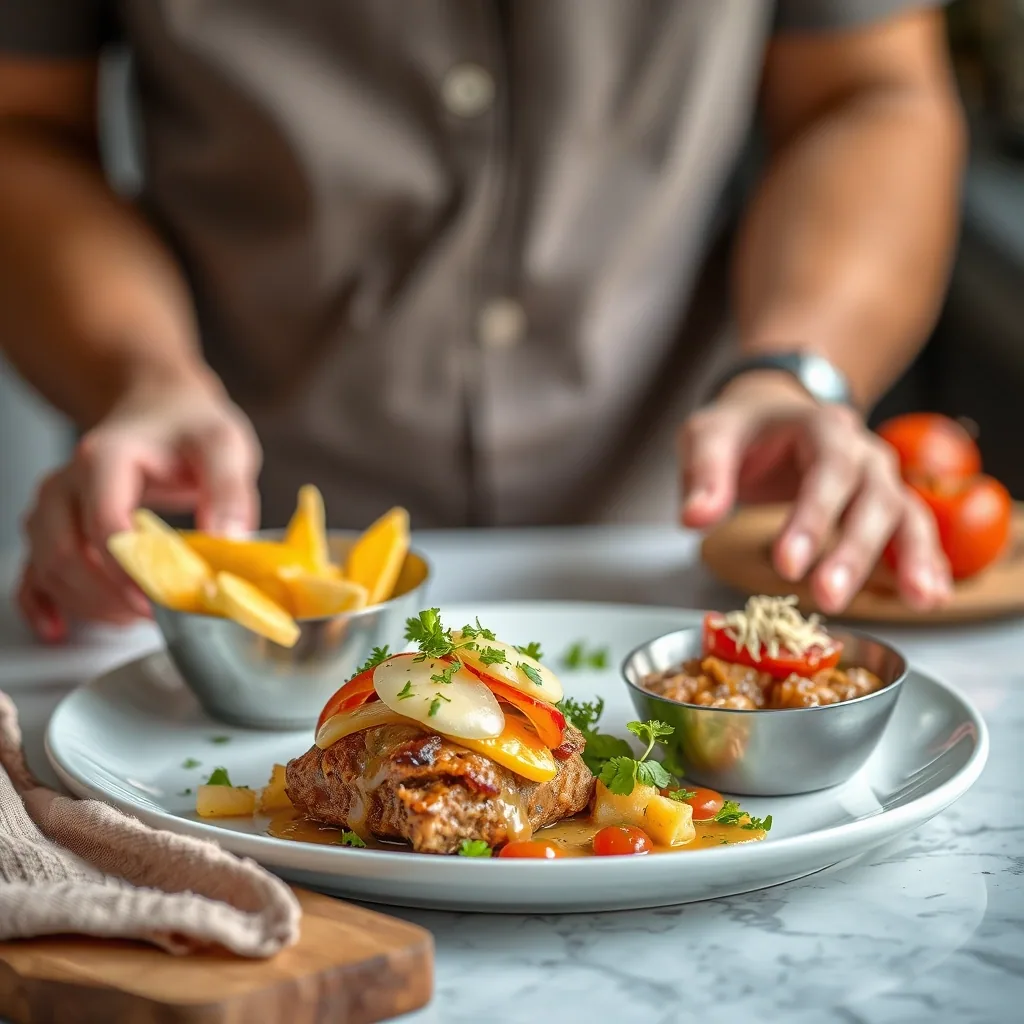
I’ve been obsessed with Yard House’s Maui Pineapple Chicken since my first bite, and I finally cracked the code to recreate it at home. 🌺 That perfect balance of sweet caramelized pineapple, tangy glaze, and juicy grilled chicken is absolutely achievable in your own kitchen.
The secret is marinating the chicken in a pineapple-soy blend and grilling it to get those beautiful char marks, then topping it with caramelized pineapple rings and a sticky-sweet teriyaki glaze. It’s easier than you’d think and tastes just like the restaurant version.
What you’ll end up with is tender, juicy chicken with those signature grill marks, topped with golden caramelized pineapple and a glaze that’s sweet, tangy, and irresistibly sticky. This is island-inspired comfort food that brings the restaurant experience straight to your dinner table.
Ingredients for yard house maui pineapple chicken
Here’s everything you need to create this sweet and tangy Yard House Maui Pineapple Chicken.
| Ingredient | Amount | Notes |
|---|---|---|
| Boneless Chicken Breasts 🍗 | 1 ½ lb | Pounded to even thickness |
| Fresh Pineapple 🍍 | 1 whole | Cored, sliced into rings |
| Soy Sauce 🥢 | ½ cup | Low-sodium preferred |
| Pineapple Juice 🍹 | ¾ cup | 100% pure juice |
| Brown Sugar 🍯 | ½ cup | Packed for measuring |
| Garlic Cloves 🧄 | 4 cloves | Minced for marinade |
| Fresh Ginger 🫚 | 2 tbsp | Peeled and grated |
| Rice Vinegar 💧 | 3 tbsp | For tangy balance |
| Sesame Oil 🫒 | 2 tbsp | Toasted variety preferred |
| Cornstarch 🌾 | 2 tbsp | For thickening glaze |
| Green Onions 🧅 | 4 whole | Sliced for garnish |
| Sesame Seeds 🌰 | 2 tbsp | Toasted for topping |
[recipe_ingredient_scaler]
You can find all these ingredients at your local grocery store. For the freshest pineapple, look for one with golden skin and a sweet aroma at the base—Whole Foods and farmers markets typically have the best selection. Kikkoman soy sauce is reliable, but San-J tamari offers deeper flavor. Fresh ginger from Asian markets is often more affordable and aromatic than supermarket options. Toasted sesame oil makes a significant difference.
Don't have fresh pineapple? Use canned pineapple rings packed in juice—just drain them well before grilling. If you can't find rice vinegar, substitute apple cider vinegar for similar tanginess. Regular ginger works if fresh isn't available, but use only one teaspoon. For the best results, pound chicken breasts to uniform thickness so they cook evenly and stay juicy throughout.
Store chicken in the coldest part of your fridge and marinate for at least 2 hours or overnight for maximum flavor. Keep fresh ginger wrapped in paper towels in the crisper for up to 3 weeks. Leftover pineapple stays fresh refrigerated for 5 days in an airtight container.
Step-by-Step Instructions for Yard House Maui Pineapple Chicken
Follow my proven method and you’ll recreate this restaurant favorite with perfect caramelization and balance.
👨🍳 Step 1: Prepare and Marinate the Chicken
Start by cutting boneless, skinless chicken breasts into 1-inch cubes. I find this size gives you the perfect ratio of caramelized exterior to juicy interior. Pat the chicken completely dry with paper towels—moisture prevents proper browning and will steam the meat instead of searing it.
Season the chicken generously with salt and pepper, then toss with 2 tablespoons of cornstarch in a bowl. This cornstarch coating is crucial—it creates a crispy exterior that holds up beautifully against the sweet-tangy sauce. Let the coated chicken sit for 10 minutes while you prep the other ingredients. The cornstarch will absorb any remaining surface moisture and create an even coating.
🍳 Step 2: Sear the Chicken Until Golden
Heat 2 tablespoons of vegetable oil in a large skillet or wok over medium-high heat until it shimmers. Add the chicken in a single layer, working in batches if necessary to avoid overcrowding. Cook for 3-4 minutes per side until golden brown and crispy on the outside.
Don’t move the pieces around—let them sit undisturbed so they develop that restaurant-quality crust. You’ll know they’re ready to flip when they release easily from the pan. The chicken doesn’t need to be fully cooked through at this stage; it’ll finish cooking in the sauce. Transfer the seared chicken to a plate and set aside.
🍳 Step 3: Build the Maui Pineapple Sauce
In the same skillet (don’t wipe it clean—those browned bits add flavor), reduce heat to medium and add minced garlic and grated fresh ginger. Sauté for 30-45 seconds until fragrant but not browned. If the garlic starts to darken, it’ll turn bitter, so watch it carefully.
Add pineapple juice, soy sauce, brown sugar, rice vinegar, and sriracha to the pan. Whisk everything together and bring to a simmer. Let it bubble for 3-4 minutes until the sauce reduces slightly and the sugar dissolves completely. You’ll notice the sauce starting to thicken and take on a beautiful glossy sheen.
Stir in a cornstarch slurry (1 tablespoon cornstarch mixed with 2 tablespoons water) and cook for 1-2 minutes until the sauce thickens to a syrupy consistency that coats the back of a spoon. This is the signature texture that makes the sauce cling perfectly to every piece of chicken.
🥘 Step 4: Combine Chicken with Pineapple and Peppers
Return the seared chicken to the skillet along with fresh pineapple chunks and diced red bell peppers. I always use fresh pineapple instead of canned—it holds its shape better and provides that bright, tropical sweetness that defines this dish. Toss everything together to coat evenly in the sauce.
Let the mixture simmer for 4-5 minutes, stirring occasionally, until the chicken is cooked through (internal temperature of 165°F) and the pineapple begins to caramelize at the edges. The peppers should still have a slight crunch—they shouldn’t be mushy. The sauce will continue to thicken as it cooks and clings to all the ingredients beautifully.
🍽️ Step 5: Garnish and Serve Over Rice
Remove the skillet from heat and taste the sauce. Adjust the balance if needed—add more soy sauce for saltiness, brown sugar for sweetness, or sriracha for heat. The beauty of this dish is finding your perfect sweet-spicy-tangy balance.
Serve the Maui pineapple chicken immediately over steamed jasmine rice or fried rice. Garnish with sliced green onions and toasted sesame seeds for that authentic Yard House presentation. I like to add a few extra pineapple chunks on top for visual appeal. The combination of crispy chicken, caramelized pineapple, and glossy sauce over fluffy rice is absolutely irresistible—just like the restaurant version.
Regional Styles of This Dish
hawaiian traditional style: Authentic Hawaiian pineapple chicken traces back to plantation-era fusion cooking where Asian immigrants blended soy sauce and ginger with local pineapples. Traditional preparations use fresh pineapple juice as a natural meat tenderizer combined with shoyu (japanese soy sauce), fresh ginger, and brown sugar. The chicken is typically grilled over kiawe wood (Hawaiian mesquite) which adds a distinctive smoky-sweet flavor. Locals serve it with white rice and macaroni salad, making it a plate lunch staple across the islands. The glaze is lighter and less sticky than mainland versions, letting the pineapple’s natural sweetness shine through. 🗺️
California Fusion Approach: West Coast interpretations lean heavily into the tropical-Asian fusion trend that exploded in the 1980s. California-style versions incorporate sriracha, lime juice, and cilantro alongside the pineapple, creating a brighter, more complex flavor profile. The chicken is often butterflied and grilled at high heat (450-500°F) for quick cooking with maximum char. I’ve noticed California restaurants use coconut aminos instead of soy sauce for a trendy, gluten-free twist. The presentation emphasizes colorful garnishes like pickled red onions, microgreens, and toasted macadamia nuts for Instagram-worthy plating.
Texas BBQ Interpretation: Texas pitmasters take the pineapple chicken concept and apply their low-and-slow methodology, smoking whole chicken halves at 250-275°F over oak or pecan wood for 2-3 hours. The marinade includes pineapple juice, Worcestershire sauce, and black pepper, but they skip the Asian ingredients entirely. The pineapple rings are grilled separately and brushed with a bourbon-pineapple BBQ sauce that’s thicker and smokier than traditional teriyaki. This style prioritizes bark development and smoke penetration over the sweet-tangy balance of coastal versions. 🔥
Florida Caribbean Style: South Florida’s version reflects Caribbean jerk influences, incorporating scotch bonnet peppers, allspice, and thyme into the pineapple marinade. The chicken is grilled over charcoal at medium-high heat and finished with a rum-spiked pineapple glaze that caramelizes beautifully. Cuban and Jamaican communities add mojo marinade elements like sour orange juice and cumin, creating a spicier, more acidic profile. This regional style pairs the chicken with black beans, plantains, and coconut rice rather than Asian-influenced sides.
Nutrition Facts
485kcal
[recipe_ingredient_scaler]

Trained in classic French technique but raised on slow-cooked ribs and spicy rubs, she blends culinary skill with smoke and soul.
- Recipe for Boneless Pork Chops in Cast Iron Skillet: Sear and Baste to Juicy Perfection - October 3, 2026
- Recipe for Boneless Cross Rib Roast: Slow-Roasted Beef with Herb Crust - October 3, 2026
- Hamburgers in Sauce Recipe Crock Pot: Slow-Cooked Savory Delight - October 3, 2026