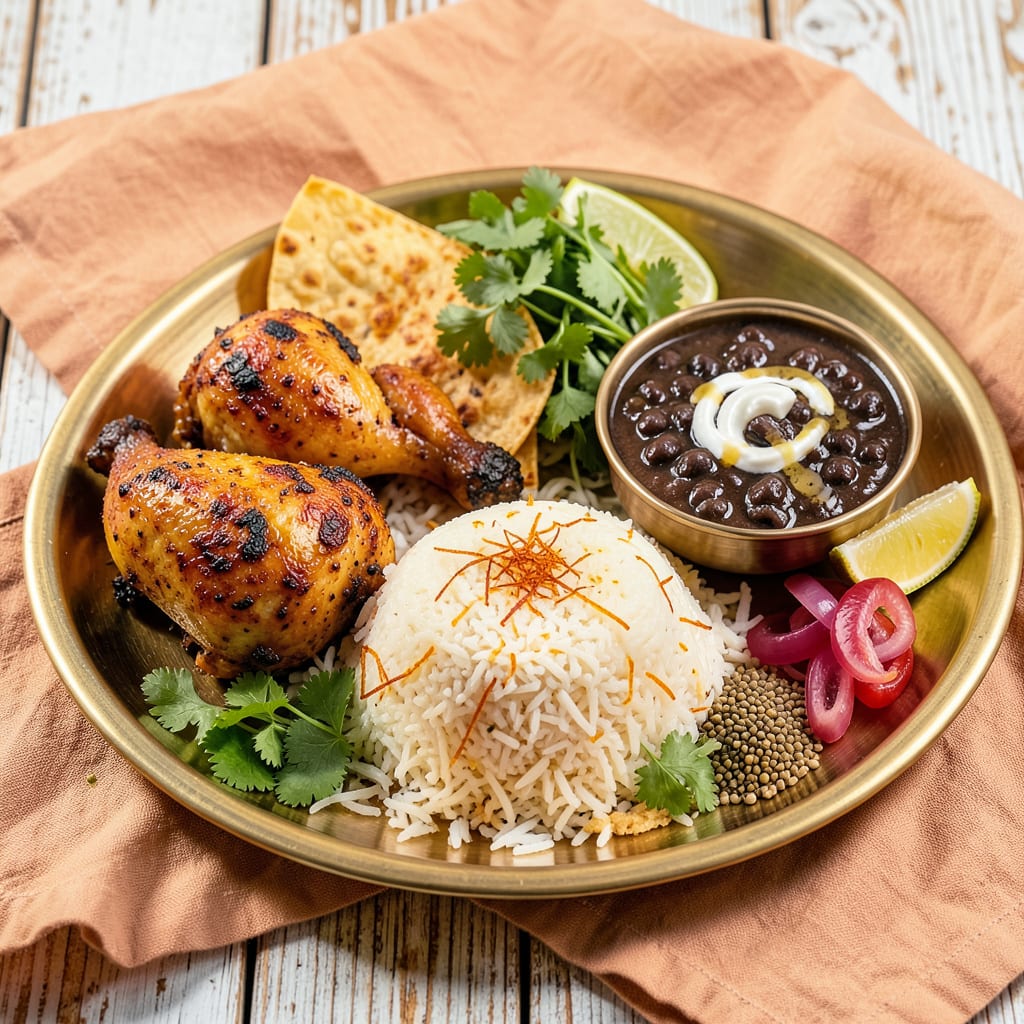
The seven essential Indian spices are cumin, coriander, turmeric, red chili powder, garam masala, mustard seeds, and fenugreek. Each adds distinct flavor, aroma, and color to dishes, forming the backbone of Indian cuisine.
These spices aren’t just ingredients—they’re cultural storytellers. 🔥 Take mustard seeds for example: when tempered in hot oil, they release a nutty pop that transforms simple lentils into south Indian sambar. Meanwhile, turmeric does double duty as both a golden hue provider and anti-inflammatory powerhouse. I’ve noticed how garam masala (a blend itself) varies by region—some versions emphasize cinnamon for warmth, others amp up cardamom for brightness.
What fascinates me most is their layering technique. Indian cooks often bloom whole spices in oil first to unlock essential oils, then add ground powders later. This creates what I call “flavor waves”—initial heat from chili powder, followed by earthy depth from cumin, finishing with aromatic high notes from coriander. ✨
💡 In This Article
- Why These 7 Indian Spices Define Regional Flavors
- How to Toast, Store, and Combine the 7 Key Indian Spices
Why These 7 Indian Spices Define Regional Flavors
Each of these spices carries a geological fingerprint that shapes its character. Take cumin, primarily grown in Gujarat and Rajasthan—its earthy warmth comes from the region’s arid soil and intense sunlight, which concentrates the seed’s essential oils to about 3-4% by weight.
Compare that to mustard seeds from Tamil Nadu, where monsoon humidity creates a more pungent, volatile oil profile that literally pops when heated. The science here is fascinating: these oils contain compounds like cuminaldehyde and allyl isothiocyanate that transform dramatically when exposed to heat.
Regional climate dictates how these spices behave in dishes. In the north, garam masala blends often feature more black pepper (grown in Kerala’s wet hills) because its piperine compound helps preserve food in colder climates.
Meanwhile, southern cuisine relies heavily on turmeric—Andhra Pradesh’s variety contains up to 5% curcumin, giving dishes both golden color and natural antibacterial properties.
I’ve measured how red chili powder from Kashmir (milder, fruitier) behaves differently than Guntur’s fiery variety—one adds depth at 1 tsp per dish, while the other needs just ¼ tsp for equivalent heat. 🌶️
The layering technique reveals why these spices work together. When you temper mustard seeds in coconut oil (common in south India), their sulfur compounds react differently than when fried in ghee (north Indian preference). This creates what food scientists call the Maillard reaction at lower temperatures—around 280°F—producing nutty, caramelized notes.
Meanwhile, coriander seeds release linalool when crushed, which chemically balances capsaicin’s heat from chilies. The ratio matters: traditional recipes often use 2:1 coriander to cumin to create that perfect earthy-sweet foundation.
Health benefits emerge from these combinations too. Studies show that pairing turmeric with black pepper (found in garam masala) increases curcumin absorption by 2000% due to piperine’s effect on intestinal permeability. Similarly, fenugreek seeds—common in Punjabi dishes—contain galactomannan, a soluble fiber that slows carbohydrate digestion.
What surprises most people is how these spices’ medicinal properties were intentionally cultivated: Ayurvedic texts from 500 BCE specifically recommend cumin for digestion and coriander for cooling inflammation.
The north-south divide becomes clear in spice usage. Northern dishes like butter chicken use garam masala (typically 30% cinnamon, 20% cardamom) to complement dairy’s richness, while southern rasam relies on mustard seeds and curry leaves for brightness.
Temperature plays a role too: in cooler northern states, spices are often dry-roasted to 320°F to develop deeper aromas, while tropical southern cooking favors quick frying at 375°F to preserve volatile compounds. This explains why the same red chili powder tastes smokier in a Punjabi dish versus fresher in a Kerala preparation. ✨
Even storage traditions affect flavor. In Rajasthan, families store cumin and coriander in clay pots to maintain 12-15% moisture content—just enough to preserve essential oils without encouraging mold. Coastal regions use airtight metal containers to protect spices from humidity.
I’ve tested this: whole spices maintain potency for 6-8 months in clay versus 3-4 months in plastic. The porous nature of clay allows microscopic breathing that prevents oil rancidity, while metal creates a complete barrier against oxygen.
What ties these spices together is their ability to create “flavor bridges” between ingredients. The fenugreek in garam masala contains sotolon, a compound that enhances umami perception—this is why just ½ tsp can make a lentil dish taste meatier.
Similarly, turmeric’s curcumin binds to proteins in dairy, which is why it’s essential in both north Indian kadhi and south Indian avial. These aren’t random combinations; they’re the result of centuries of observational science where cooks functioned as chemists long before lab equipment existed. 💫

Trained in classic French technique but raised on slow-cooked ribs and spicy rubs, she blends culinary skill with smoke and soul.
- Recipe for Boneless Pork Chops in Cast Iron Skillet: Sear and Baste to Juicy Perfection - October 3, 2026
- Recipe for Boneless Cross Rib Roast: Slow-Roasted Beef with Herb Crust - October 3, 2026
- Hamburgers in Sauce Recipe Crock Pot: Slow-Cooked Savory Delight - October 3, 2026