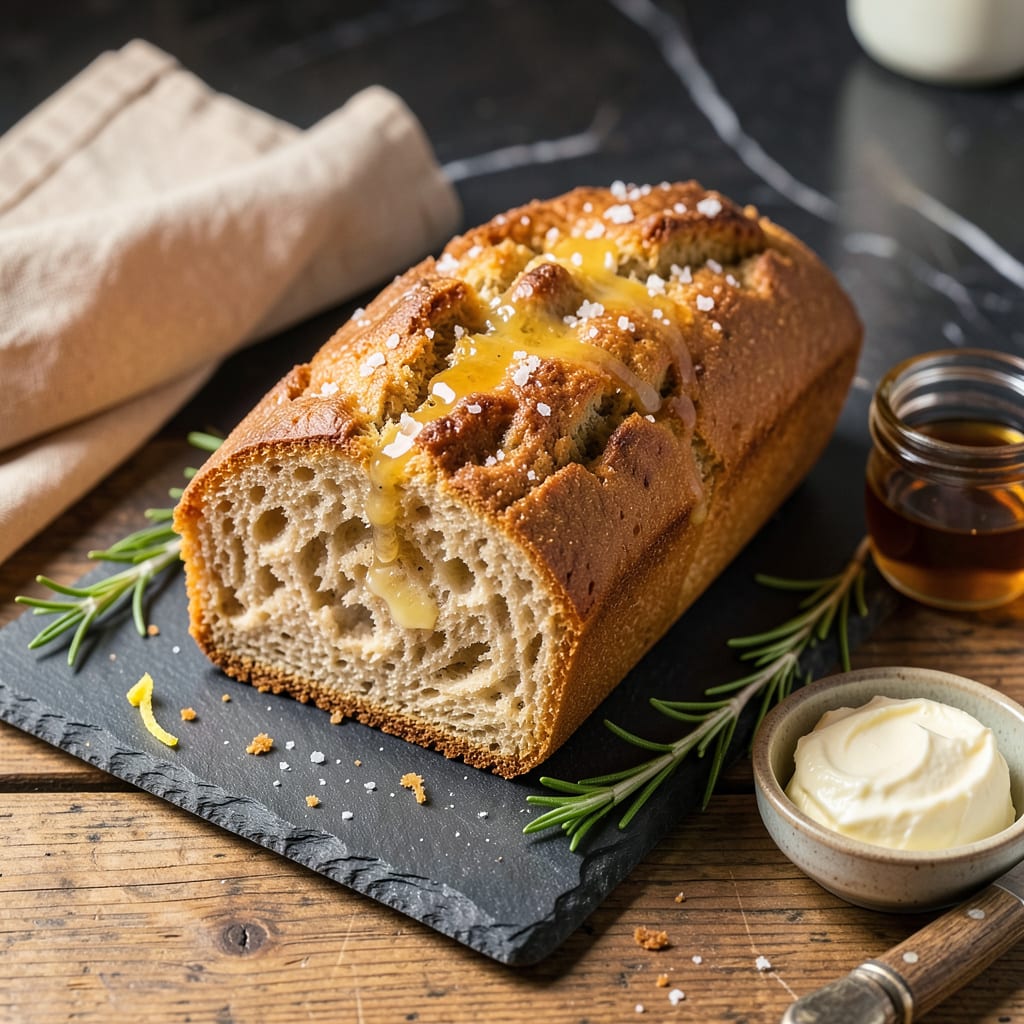
Yes, you can make quick breads like biscuits, rolls, or even loaves with Bisquick by combining it with liquid ingredients. It creates a tender, slightly dense texture perfect for easy homemade breads.
I love using Bisquick for bread because it takes the guesswork out of measurements and leavening. 🔥 The pre-mixed baking powder and shortening create that signature fluffy yet sturdy crumb—ideal for beginners or when you’re short on time. What’s clever is how the fat content in Bisquick mimics the richness of buttermilk, giving your bread that classic Southern-style tenderness without extra effort.
From my experience, it’s particularly great for rustic loaves or dinner rolls when you want that homemade taste without the fuss. The key is balancing your liquids—too much makes it gummy, too little leaves it dry. I’ve had best results with a 1:1 ratio of Bisquick to milk, then adjusting from there based on desired texture.
💡 In This Article
- How Bisquick Works for Homemade Bread Recipes
- Best Bisquick Bread Recipes and Flavor Variations
How Bisquick Works for Homemade Bread Recipes
Bisquick’s magic lies in its pre-balanced formula of flour, shortening, salt, and baking powder. The baking powder is double-acting—meaning it releases gas twice: first when mixed with liquid, and again when heated. This creates consistent rise without yeast’s waiting time.
The shortening (about 3-4% fat content) coats the flour proteins, preventing gluten from forming long strands, which keeps your bread tender rather than chewy.
Unlike all-purpose flour, Bisquick’s fat is already distributed evenly throughout the mix. When you add liquid (like milk or water), the fat melts during baking, creating steam pockets that contribute to a lighter texture.
The ratio is perfect for quick breads—typically 2 cups Bisquick to 2/3 cup liquid yields a dough that’s moist but sturdy enough to hold shape. This is why Bisquick breads have that signature slightly dense yet soft crumb. 🔥
What most people don’t realize is that Bisquick’s salt content (1.5% by weight) is higher than plain flour, which enhances flavor without needing extra seasoning. The leavening agents are calibrated to work at standard baking temperatures (375-400°F), so you get reliable results every time.
I’ve found this makes it particularly forgiving for beginners who might overmix or underbake slightly.
The science behind the texture comes down to protein content. Bisquick uses soft wheat flour (about 8-9% protein vs all-purpose’s 10-12%), which means less gluten development. When combined with the fat, this creates breads that are more cake-like than traditional yeast breads.
The result is a moist, slightly crumbly texture that’s perfect for biscuits or tea breads. ✨
For comparison, traditional bread flour has 12-14% protein and requires kneading to develop gluten strands. Bisquick’s lower protein means you can simply stir the batter—no kneading needed. This is why it’s called a “quick bread” method.
The tradeoff is you won’t get the same chewy elasticity as artisan bread, but you gain incredible speed and consistency.
Temperature matters too. The fat in Bisquick melts at 115-120°F, so baking at 375°F ensures proper steam release for lift. I’ve noticed that chilling the dough briefly before baking helps maintain structure, especially for shaped rolls or loaves. This little trick prevents spreading while allowing the leavening agents to work optimally. 💫
One final pro tip: The acidity in buttermilk reacts beautifully with Bisquick’s baking powder, creating extra lift and a subtle tang. This is why many classic Bisquick recipes call for buttermilk—it’s not just for flavor, but for chemical reaction that improves texture.
The difference is noticeable in both height and crumb softness compared to using regular milk.

Trained in classic French technique but raised on slow-cooked ribs and spicy rubs, she blends culinary skill with smoke and soul.
- Recipe for Boneless Pork Chops in Cast Iron Skillet: Sear and Baste to Juicy Perfection - October 3, 2026
- Recipe for Boneless Cross Rib Roast: Slow-Roasted Beef with Herb Crust - October 3, 2026
- Hamburgers in Sauce Recipe Crock Pot: Slow-Cooked Savory Delight - October 3, 2026