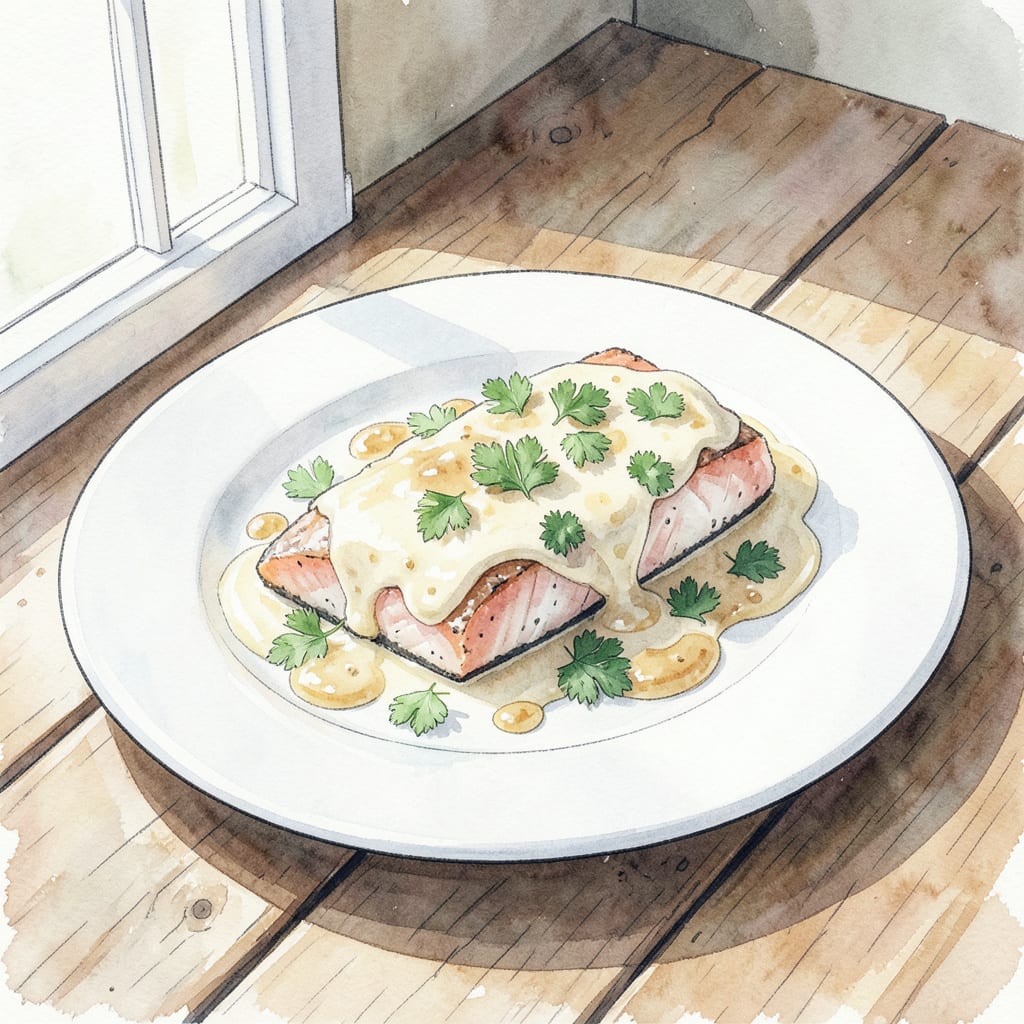
As a pitmaster with French technique training, I’ve perfected the art of pan-searing delicate fish like Alaska pollock. 🔥 This recipe delivers flaky, tender perfection every time, with a crispy crust that’ll make you wonder how such simplicity can produce such amazing results.
The secret lies in precise temperature control and not overcooking the fish. By searing the pollock at high heat for just 3-4 minutes per side, you’ll achieve that perfect flaky texture while locking in moisture. Serve with your favorite sides for a complete meal.
Ingredients for Alaska Pollock
Pan-searing perfection starts with these premium ingredients. Fresh fish, quality spices, and the right fats.
| Ingredient | Amount | Notes |
|---|---|---|
| Alaska Pollock Fillets 🐟 | 1 ½ lb | Fresh or frozen, thawed |
| Unsalted Butter 🧈 | 4 tbsp | Softened for even melting |
| Olive Oil 🫒 | 2 tbsp | Extra-virgin for high heat |
| Garlic Cloves 🧄 | 4 cloves | Minced for flavor distribution |
| Fresh Parsley 🌿 | ¼ cup | Chopped, for garnish |
| Lemon Juice 🍋 | 2 tbsp | Freshly squeezed |
| Salt 🧂 | 1 tsp | Kosher or sea salt |
| Black Pepper 🌶️ | ½ tsp | Freshly ground |
| Paprika 🌶️ | ¼ tsp | Smoked or sweet |
| Fresh Thyme 🌿 | 2 sprigs | Chopped, for flavor |
| White Wine 🍷 | ¼ cup | Dry white wine, optional |
| All-Purpose Flour 🌾 | 1 cup | For dredging fish |
[recipe_ingredient_scaler]
The Alaska pollock matters here. Look for wild-caught for the best flavor and texture. Most grocery stores have it in the frozen section—just thaw properly. I usually grab mine from Costco when I’m doing a big batch, but the regular supermarket stuff works fine for a weeknight dinner. Freshness is key, so check for firm texture and mild smell.
No white wine? Chicken or vegetable broth works as a substitute. Fresh thyme is ideal but dried thyme at one-third the amount is a decent backup. For the flour, all-purpose works fine but if you’re feeling fancy, rice flour gives a lighter crust. The garlic can be adjusted to taste—some like it strong, some prefer it subtle.
This dish reheats beautifully—honestly tastes better the next day once everything melds. Keeps 3-4 days in the fridge, freezes well for up to 3 months. I portion mine into containers so lunches are sorted for the week. When reheating, a quick zap in the microwave or a few minutes in a hot pan works great.
Step-by-Step Instructions for Pan-Seared Flaky Alaska Pollock
Let’s cook this Alaska Pollock to perfection with a simple pan-searing method.
🔥 Step 1: Prepare the Dredging Station
Start by setting up your dredging station. In a shallow dish, place the 1 cup All-Purpose Flour. I like to add a pinch of Salt and Black Pepper to the flour for extra flavor. Mix it well to combine. The flour coating will help create a beautiful crust on the fish.
Next, pat the 1.5 lb Alaska Pollock Fillets dry with paper towels. This step is crucial as it helps the flour adhere to the fish. Make sure they’re dry on both sides.
👨🍳 Step 2: Dredge the Fish
Dredge each Alaska Pollock fillet in the flour mixture, coating both sides evenly. Gently shake off any excess flour – you want a light, even coating. Don’t overcoat the fish as this can make it feel heavy and dense.
Place the coated fillets on a plate or tray. I like to let them sit for a minute or two after coating to allow the flour to adhere properly.
🍳 Step 3: Sear the Pollock
Heat 2 tbsp Olive Oil in a large skillet over medium-high heat. When the oil shimmers, add 2 tbsp Unsalted Butter. Once the butter melts and starts to foam, add the coated Alaska Pollock fillets. Sear for 3-4 minutes per side until they develop a golden-brown crust.
The fish is done when it flakes easily with a fork and reaches an internal temperature of 145°F. Transfer the cooked fillets to a plate and tent with foil to keep warm.
🥘 Step 4: Finish with Garlic Butter Sauce
In the same skillet, reduce the heat to medium. Add the 4 cloves minced Garlic Cloves and sauté for 1 minute until fragrant. Be careful not to burn the garlic. Pour in 0.25 cup White Wine (if using) and scrape up any browned bits from the bottom of the pan. Let it simmer for 1-2 minutes until slightly reduced.
Stir in the remaining 2 tbsp Unsalted Butter. Once melted, remove from heat. Squeeze in 2 tbsp Lemon Juice and sprinkle with chopped 0.25 cup Fresh Parsley. Season with 0.25 tsp Paprika and a sprinkle of Salt and Black Pepper to taste.
🍽️ Step 5: Serve Immediately
Place the pan-seared Alaska Pollock fillets on warmed plates. Spoon the garlic butter sauce over the top. Garnish with additional Fresh Parsley and Fresh Thyme sprigs if desired. Serve immediately while the fish is still warm and flaky.
Storing and Reheating alaska pollock
Refrigerator Storage
Cool cooked Alaska pollock to room temperature within 2 hours before refrigerating. Store in an airtight container at 40°F or below for up to 3 days. I prefer glass containers with tight-fitting lids to prevent moisture loss. ❄️
Freezer Storage
For longer storage, freeze cooked pollock for up to 3 months. Wrap individual portions tightly in plastic wrap or aluminum foil before placing in a freezer-safe bag. Remove as much air as possible to prevent freezer burn. Label with date and contents.
Reheating Methods
The best way to reheat Alaska pollock is in a skillet with a small amount of olive oil or butter over medium heat. Heat for 2-3 minutes per side until warmed through to 145°F. Alternatively, use a microwave-safe dish covered with a damp paper towel and heat on 50% power for 1-2 minutes, checking temperature between intervals.
Reheating Tips
To maintain the fish’s delicate texture, avoid overheating. When reheating from frozen, thaw overnight in the refrigerator before reheating. If you’re reheating straight from frozen, add 1-2 minutes to your reheating time and check internal temperature reaches 145°F. For best results, reheat only what you’ll eat.
Storage Containers Matter
I recommend using glass containers with tight-fitting lids for both refrigerator and freezer storage. They prevent moisture loss and keep flavors contained. For freezer storage, consider using vacuum-sealed bags to prevent freezer burn and maintain quality.
Quality Check
Before consuming stored or reheated pollock, check for any off-odors or slimy texture. If it smells sour or unpleasantly fishy, it’s best to discard. Properly stored and reheated pollock should retain its delicate flavor and flaky texture. 🔥
Nutrition Facts

Trained in classic French technique but raised on slow-cooked ribs and spicy rubs, she blends culinary skill with smoke and soul.
- Recipe for Boneless Pork Chops in Cast Iron Skillet: Sear and Baste to Juicy Perfection - October 3, 2026
- Recipe for Boneless Cross Rib Roast: Slow-Roasted Beef with Herb Crust - October 3, 2026
- Hamburgers in Sauce Recipe Crock Pot: Slow-Cooked Savory Delight - October 3, 2026