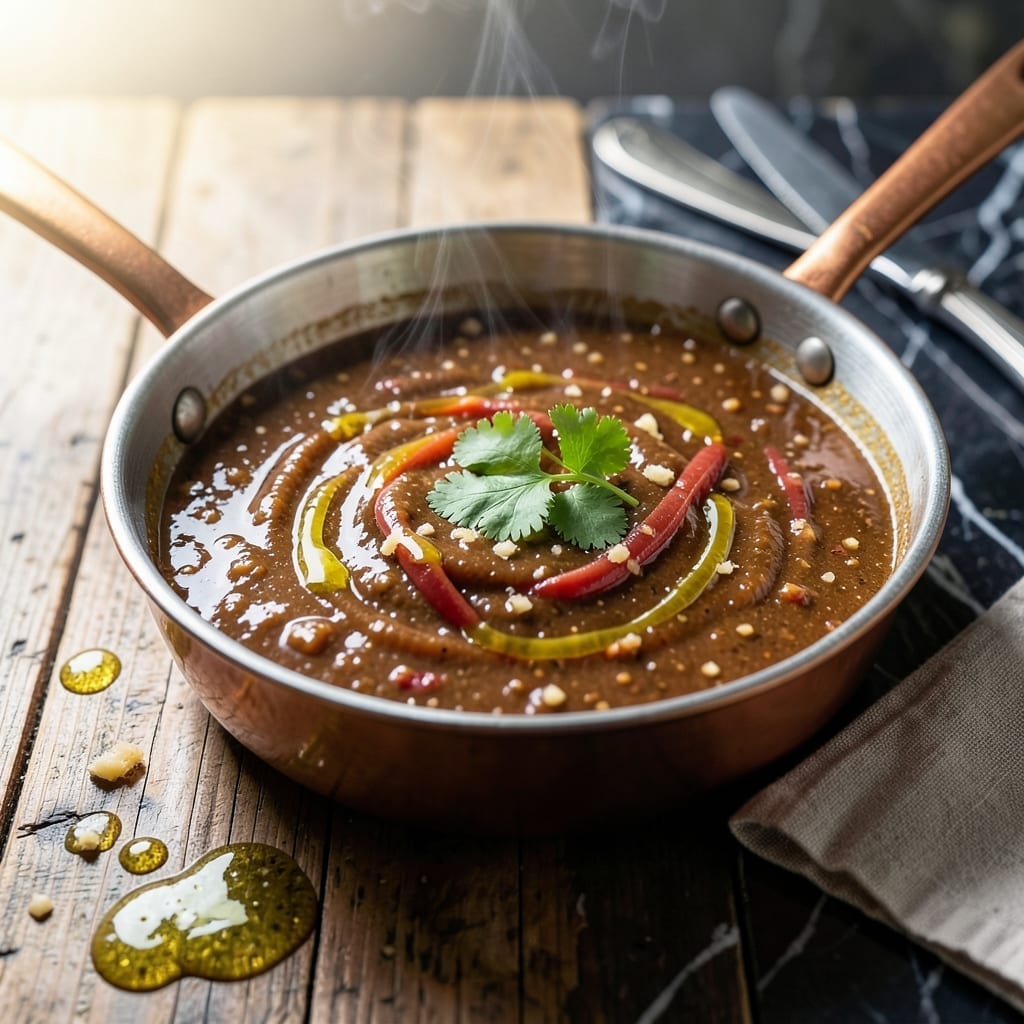
This tropical sauce brings the flavors of Hawaii to your kitchen with a perfect balance of sweet and tangy notes. My version captures that classic island taste using simple, accessible ingredients that come together in minutes.
The base combines pineapple juice with tomato paste, creating a rich, slightly fruity foundation. A touch of vinegar and soy sauce adds depth, while garlic and ginger bring aromatic warmth to every bite.
What results is a versatile condiment that works on burgers, as a glaze for meats, or as a dipping sauce. The flavors meld beautifully and improve with a short rest before serving.
Store in an airtight container in the refrigerator for up to two weeks. This recipe makes about one cup of sauce.
Ingredients for Aloha Sauce
Nine simple ingredients create this tropical condiment with bright, balanced island flavors.
| Ingredient | Amount | Notes |
|---|---|---|
| Pineapple Juice 🍍 | ¾ cup | Unsweetened, canned or fresh |
| Tomato Paste 🍅 | 2 tbsp | For rich tomato foundation |
| Apple Cider Vinegar 🍏 | 1 tbsp | Adds tangy brightness |
| Soy Sauce 🥢 | 1 tbsp | Low-sodium preferred |
| Garlic Cloves 🧄 | 2 cloves | Minced for aromatic depth |
| Fresh Ginger 🌿 | 1 tsp | Finely grated root |
| Brown Sugar 🍚 | 2 tbsp | Light or dark works |
| Worcestershire Sauce 🫒 | 1 tsp | Adds umami complexity |
| Dijon Mustard 🟡 | 1 tsp | For subtle sharpness |
[recipe_ingredient_scaler]
The pineapple juice is the soul of this sauce. Dole or Del Monte canned juice works perfectly—no need for fresh unless you’re already cutting up a pineapple. The tomato paste should be good quality (I like Muir Glen organic) for that rich base. For the vinegar, apple cider is traditional, but white vinegar works in a pinch (just a touch more assertive).
No pineapple juice? Orange juice with a splash of lemon gets you close. Swap soy sauce for coconut aminos if avoiding gluten. Fresh ginger is ideal, but ground ginger at half the amount works. The Worcestershire can be omitted, but it adds that savory depth—Annie’s makes a vegetarian version if needed.
This keeps beautifully. 2 weeks in the fridge in an airtight container. The flavors actually improve after 24 hours as everything melds together. Freeze in ice cube trays for 3 months if making ahead.
Why You’ll Love This Recipe
- 5-Minute Mix: I dump everything in one saucepan—pineapple juice, tomato paste, the works—and it’s ready before the rice finishes cooking.
- Sweet-Tangy Punch: Garlic cloves simmer with soy and apple cider vinegar, giving this sauce a bright, umami-rich kick that clings to anything you drizzle it on.
- Dinner’s Sidekick: It turns plain grilled chicken or tofu into something special, and I always keep a jar in the fridge for last-minute meals.
- Stretches Far: One batch makes enough to glaze four servings, so I use half for tonight and save the rest for tomorrow’s lunch wrap.
Step-by-Step Instructions for Aloha Sauce
Here is the method. Straightforward, tested, works every time.
Step 1: Combine the Liquid Base
In a medium saucepan, add the 0.75 cup Pineapple Juice, 2 tbsp Tomato Paste, 1 tbsp Apple Cider Vinegar, 1 tbsp Soy Sauce, 1 tsp Worcestershire Sauce, and 1 tsp Dijon Mustard. This combination creates the foundation of your sauce, balancing sweet, tangy, and umami flavors.
Whisk everything together over medium heat until the Tomato Paste fully dissolves into the liquid. You’ll notice the mixture begin to take on a smooth, slightly glossy appearance as the ingredients meld together. This should take about 2-3 minutes.
Step 2: Incorporate the Aromatics
Add the 2 cloves Garlic Cloves (minced) and 1 tsp Fresh Ginger (finely grated) to the saucepan. Stir continuously for 1-2 minutes until the garlic and ginger become fragrant. You’ll smell their aroma as it infuses into the sauce—this is your cue that they’re ready.
Avoid letting the garlic brown, as it can turn bitter. The goal is to soften the raw edge of the ginger and garlic while enhancing their flavors. Keep the heat at medium to prevent burning.
Step 3: Sweeten and Simmer
Stir in the 2 tbsp Brown Sugar until it completely dissolves into the mixture. This adds the signature sweetness that balances the tangy and savory elements of the sauce. The sugar should integrate smoothly, with no visible granules remaining.
Once combined, reduce the heat to low and let the sauce simmer for 10-12 minutes. Stir occasionally to prevent sticking. You’ll see the sauce thicken slightly as it reduces, coating the back of a spoon with a glossy sheen.
Step 4: Adjust Consistency and Finish
After simmering, check the consistency. If it’s too thin, let it reduce for another 2-3 minutes. If it’s too thick, add a splash of water or additional Pineapple Juice to reach your desired texture. The sauce should be smooth and pourable but thick enough to cling to foods.
Taste and adjust seasoning if needed, though the balance of sweet, tangy, and savory should already be well-harmonized. Remove from heat and let it cool slightly. The sauce will thicken a bit more as it cools, so don’t over-reduce it on the stove.
Pro Tips For Making Aloha Sauce
- Simmer Low and Slow: Keep the heat at a gentle simmer—boiling hard turns the pineapple juice bitter and can make the tomato paste separate. I learned this the hard way after my first batch tasted like regret.
- Mince the Garlic Fine: Press or finely mince the garlic cloves so they dissolve into the sauce. Big chunks taste harsh and ruin the smooth texture everyone expects from aloha sauce.
- Skip the Tin Can: Use fresh pineapple juice, not the canned stuff with added sugar. The natural acidity balances the soy sauce better, and the flavor is cleaner.
- Bloom the Paste: Cook the tomato paste for 1-2 minutes in the pot before adding liquids. It deepens the flavor and removes that raw, tinny taste—sounds small, but it actually changes the outcome.
Storing and Reheating This Dish
Refrigerator Storage
Let this creation cool completely before transferring to an airtight container—I use glass mason jars. Store in the fridge at 40°F or below for up to 2 weeks. The flavors meld and deepen after 24 hours. ❄️
Freezer Storage
For longer storage, freeze in ice cube trays for 1-2 hours, then transfer to freezer bags. This method lets you use small amounts as needed. It freezes well for up to 3 months without texture changes.
Thawing Methods
Move frozen sauce to the fridge overnight for slow thawing. For quick use, place the sealed container in cold water for 30-60 minutes. Avoid microwaving directly from frozen to prevent separation.
Reheating Tips
Gently warm on the stovetop over low heat, stirring occasionally. Add 1-2 tsp water or pineapple juice if it thickens too much. I often reheat just what I need for a meal. 🔥
Room Temperature Use
This sauce is safe at room temperature for 4 hours max during serving. Perfect for BBQ parties or potlucks. Just keep it covered to prevent contamination.
Nutrition Facts
Frequently Asked Questions
Can I use canned pineapple instead of juice?
Blend canned pineapple chunks until smooth and measure 0.75 cup as a substitute. Strain through a fine mesh sieve to remove pulp for a smoother texture.
Why does my sauce taste too sweet?
Balance it with an extra 1 tsp of vinegar or soy sauce. The acidity will cut through the sweetness and restore the intended flavor harmony.
How long can it sit out during a party?
Keep it at room temperature for no more than 4 hours. After that, refrigerate promptly to maintain freshness and prevent spoilage.
What if I don’t have fresh ginger?
Use 1/2 tsp ground ginger as a substitute. It’s more concentrated, so halving the amount prevents overpowering the other flavors.

Trained in classic French technique but raised on slow-cooked ribs and spicy rubs, she blends culinary skill with smoke and soul.
- Recipe for Boneless Pork Chops in Cast Iron Skillet: Sear and Baste to Juicy Perfection - October 3, 2026
- Recipe for Boneless Cross Rib Roast: Slow-Roasted Beef with Herb Crust - October 3, 2026
- Hamburgers in Sauce Recipe Crock Pot: Slow-Cooked Savory Delight - October 3, 2026