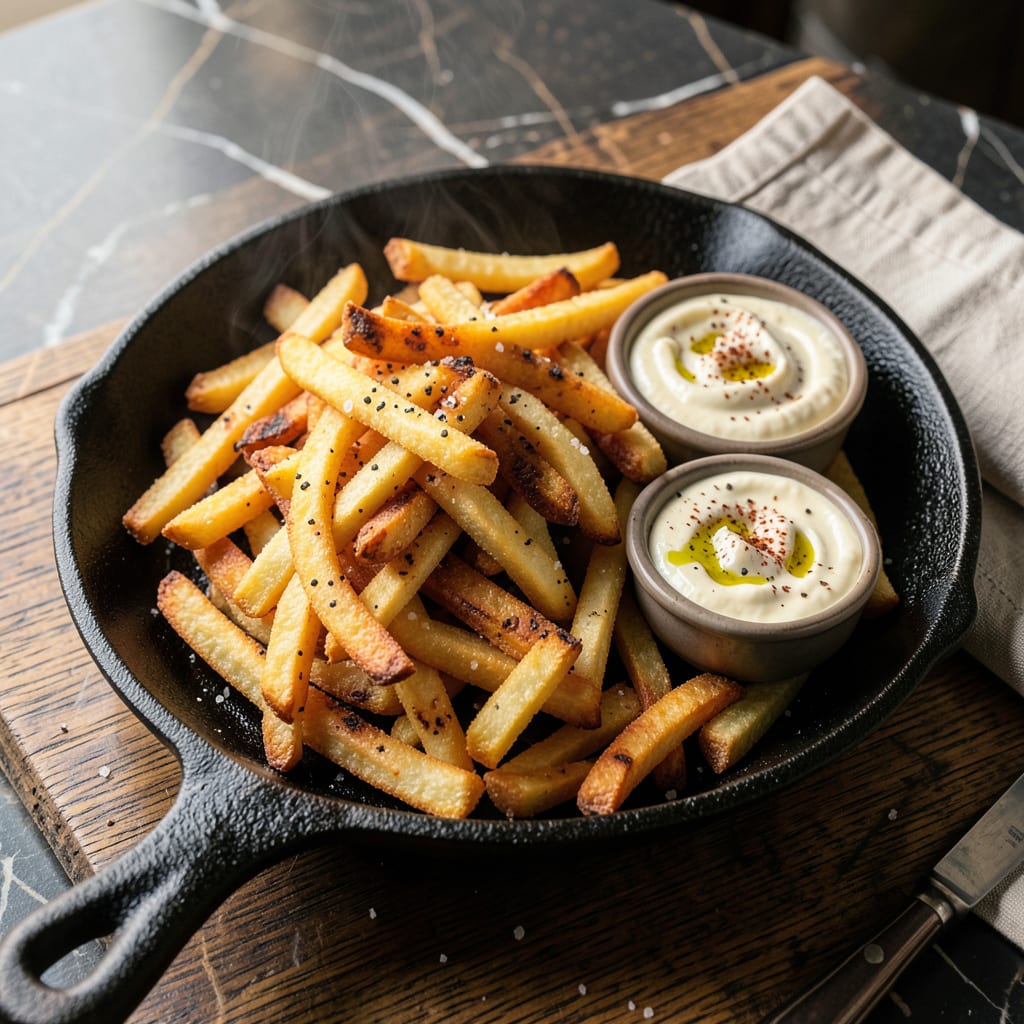
Homemade french fries can still be high in calories and fat if deep-fried, but they’re generally healthier than fast-food versions. You control the oil quality, portion size, and cooking method, which can reduce unhealthy additives and trans fats.
When I make fries at home, I’m choosing every ingredient that goes into them—no mystery oils or preservatives hiding in the mix. 🔥 The real game-changer is the oil: swapping hydrogenated restaurant oils for heart-healthy options like avocado or olive oil cuts down on harmful fats while keeping that crispy texture. Plus, I can adjust salt levels and experiment with nutrient-packed seasonings like smoked paprika or garlic powder, turning a guilty pleasure into something more balanced.
What most people don’t realize is how much control they have over the final product’s health profile. Baking or air-frying slashes oil absorption by up to 70% compared to deep-frying, and choosing the right potato (like Yukon Golds) can even boost fiber content. It’s about making small tweaks that add up to a big difference—without sacrificing that satisfying crunch. ✨
💡 In This Article
- Nutritional Breakdown of Homemade vs Restaurant French Fries
- Healthier Ways to Make French Fries at Home
Nutritional Breakdown of Homemade vs Restaurant French Fries
The difference between homemade and restaurant fries starts with the oil. Fast-food chains often use partially hydrogenated oils containing trans fats, which raise LDL cholesterol levels. At home, you can choose oils with healthier fat profiles—like avocado oil (with 70% monounsaturated fats) or extra virgin olive oil (rich in polyphenols).
These oils withstand high heat better and don’t create harmful compounds like trans fats when heated. 🔥
Sodium levels tell another story. A medium order of fast-food fries can pack 270-350mg of sodium, while homemade versions let you control seasoning. I’ve found that using 1/4 teaspoon of sea salt per pound of potatoes gives plenty of flavor without exceeding daily limits.
Even better, you can experiment with potassium-rich alternatives like smoked paprika or garlic powder, which enhance taste while supporting heart health. ✨
Acrylamide formation is where cooking method matters most. This potential carcinogen forms when starchy foods are fried at temperatures above 248°F. Commercial fryers often hit 350-375°F for speed, while home cooks can opt for lower temps or alternative methods.
Soaking cut potatoes in cold water for 30 minutes removes excess starch, reducing acrylamide by up to 48% when cooked. 🌟
Potato choice impacts nutrition too. Russets (common in restaurants) have a higher glycemic index (85-95) than Yukon Golds (54), meaning they spike blood sugar faster. At home, you can select varieties with more fiber and nutrients—like purple potatoes with 4x the antioxidants of regular spuds.
Even the cut matters: thicker steak fries absorb less oil than shoestring cuts, reducing calorie density. ⚡
Portion control is the final piece. Restaurant servings often exceed 500 calories before dipping sauces, while homemade lets you measure exact amounts. I recommend sticking to 1 medium potato (about 150g) per serving, which keeps calories around 120-150 when baked or air-fried. This mindful approach turns fries from a dietary villain into a reasonable treat.
💫
Here’s what most people overlook: the oil reuse factor. Restaurants often reuse fryer oil for days, which degrades its quality and increases free radicals. At home, you can use fresh oil each time or strain and refrigerate it for 1-2 reuses max, maintaining both flavor and nutritional integrity.
This small habit makes a surprising difference in long-term health impact. 💛

Trained in classic French technique but raised on slow-cooked ribs and spicy rubs, she blends culinary skill with smoke and soul.
- Recipe for Boneless Pork Chops in Cast Iron Skillet: Sear and Baste to Juicy Perfection - October 3, 2026
- Recipe for Boneless Cross Rib Roast: Slow-Roasted Beef with Herb Crust - October 3, 2026
- Hamburgers in Sauce Recipe Crock Pot: Slow-Cooked Savory Delight - October 3, 2026