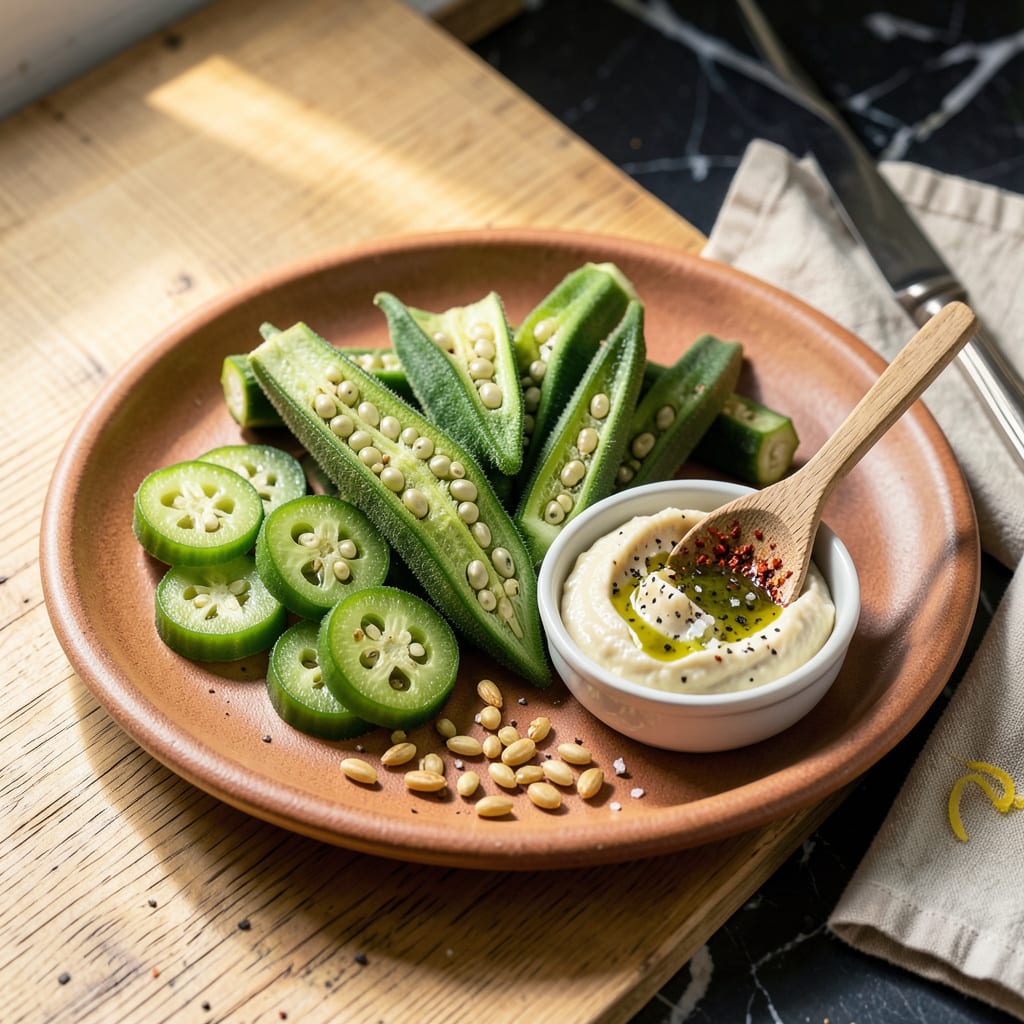
Yes, okra seeds are completely edible when the pods are young and tender. They offer protein, healthy fats, and fiber, though mature seeds can become tough and less palatable. Always cook them for best texture and digestibility.
I love how these tiny seeds pack a nutritional punch—think of them as nature’s multivitamin. 💛 The younger the pod, the more delicate the seeds, with a texture almost like cooked quinoa when prepared properly. In my kitchen, I treat them like a secret ingredient, especially in stews where their protein content helps balance vegetarian dishes. What most people don’t realize is that the seeds contain a unique type of fiber that supports gut health while adding a subtle nutty undertone to recipes.
💡 In This Article
- Nutritional Value and Health Benefits of Okra Seeds
- How to Prepare and Cook Okra Seeds for Best Texture
Nutritional Value and Health Benefits of Okra Seeds
These tiny green powerhouses contain about 2 grams of protein per 100 grams—that’s comparable to green peas and nearly double what you’d find in carrots. The protein in okra seeds includes essential amino acids like tryptophan and lysine, which are often limited in plant-based diets.
What’s fascinating is how the seeds develop a complete amino acid profile as they mature, though younger seeds offer more digestible protein forms.
The fiber content is where okra seeds truly shine. Each serving provides both soluble and insoluble fiber, with the soluble type forming that characteristic gel-like substance (mucilage) when cooked. This mucilage contains pectins and glycoproteins that act as prebiotics, feeding your gut’s beneficial bacteria.
🌟 Studies show okra’s fiber can help regulate blood sugar by slowing carbohydrate absorption—similar to how chia seeds work but with a milder flavor.
Okra seeds contain about 0.2 grams of omega-3 fatty acids per 100 grams, primarily as alpha-linolenic acid (ALA). While not as concentrated as flaxseeds, this plant-based omega-3 source is significant for a vegetable. The seeds also pack surprising mineral density: 57mg of magnesium (14% DV) and 60mcg of folate (15% DV) per 100g serving.
This mineral profile supports everything from muscle function to DNA synthesis.
What most cooks overlook is how the seed’s nutrient availability changes with preparation. Light cooking (like steaming for 5-7 minutes) preserves more of the heat-sensitive B vitamins while making the minerals more bioavailable. The seeds’ natural antioxidants—including quercetin and kaempferol—become more accessible through cooking too, offering anti-inflammatory benefits that raw okra can’t match.
For those watching their glycemic impact, okra seeds have a remarkably low glycemic index (around 20), making them ideal for blood sugar management. The combination of protein, fiber, and healthy fats creates a slow-digesting food that provides steady energy.
💫 I’ve found they work particularly well in diabetic-friendly recipes where you need nutrient density without blood sugar spikes.
Compared to other vegetable seeds we commonly eat (like pumpkin or sunflower seeds), okra seeds offer a more balanced nutritional profile. They provide protein without the high fat content of sunflower seeds, and fiber without the phytic acid found in many nuts.
The seeds’ soft texture when young also makes them more versatile in cooking than harder seeds that require roasting or grinding.
The mucilage in okra seeds isn’t just good for digestion—it acts as a natural thickener in cooking, allowing you to reduce or eliminate added starches in soups and stews. This makes okra seeds a clever ingredient for those following low-carb or gluten-free diets, providing both nutrition and functional cooking benefits in one package. ✨

Trained in classic French technique but raised on slow-cooked ribs and spicy rubs, she blends culinary skill with smoke and soul.
- Recipe for Boneless Pork Chops in Cast Iron Skillet: Sear and Baste to Juicy Perfection - October 3, 2026
- Recipe for Boneless Cross Rib Roast: Slow-Roasted Beef with Herb Crust - October 3, 2026
- Hamburgers in Sauce Recipe Crock Pot: Slow-Cooked Savory Delight - October 3, 2026