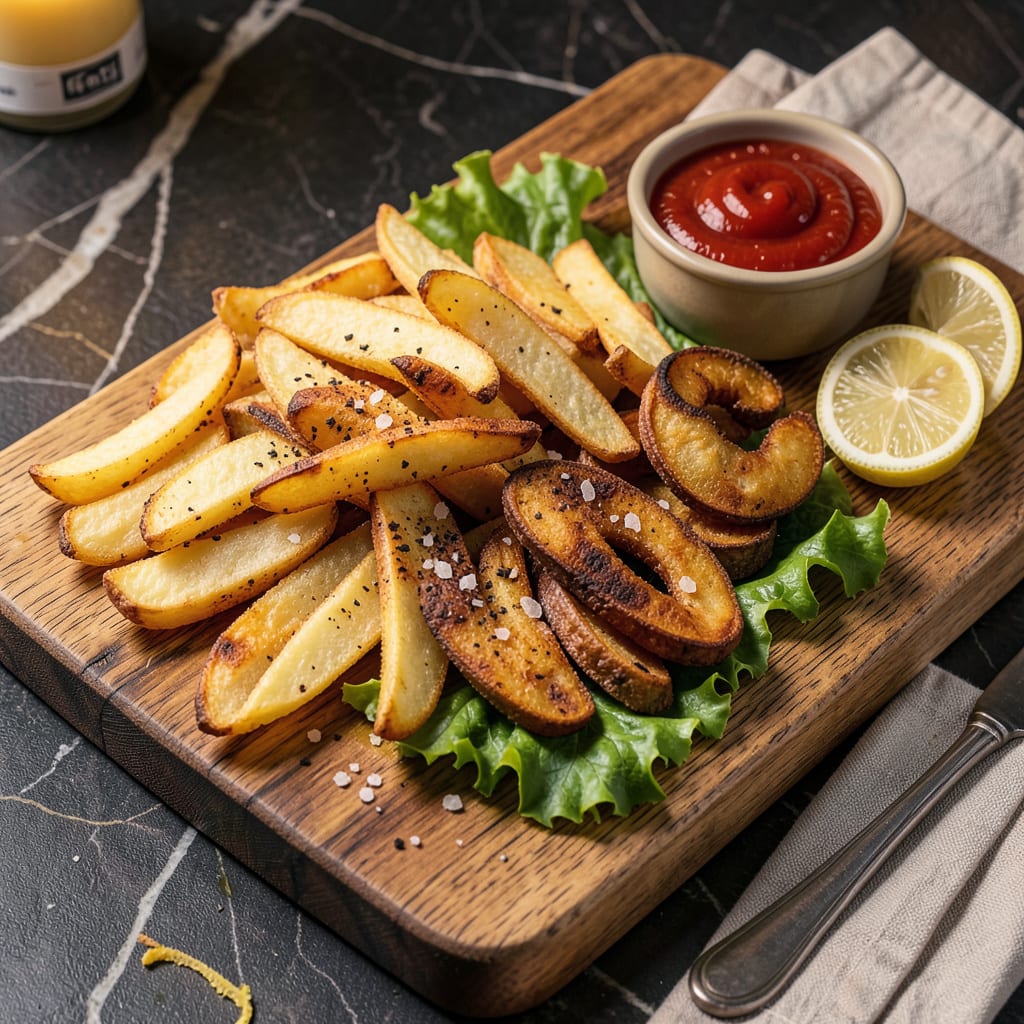
Oven chips are often high in sodium, unhealthy fats, and calories, especially when heavily processed or fried before baking. While they’re lower in fat than deep-fried versions, portion control and ingredient quality matter most for health.
I’ve tested countless brands in my kitchen, and the real issue isn’t just the baking method—it’s what happens before those chips hit your oven. Many commercial versions start as pre-fried potatoes, which means they’ve already absorbed oil before you even open the bag. The sodium levels can be shocking too, with some brands packing 20% of your daily limit in a single serving. 🔥
What most people overlook is the acrylamide factor—a chemical that forms when starchy foods are cooked at high temperatures. While it’s present in all fried/baked potatoes, heavily processed oven chips often contain higher levels due to their pre-treatment. The good news? You can sidestep these pitfalls by making your own with fresh potatoes and heart-healthy oils like avocado or olive. ✨
💡 In This Article
- Nutritional Breakdown of Oven-Baked Chips
- Healthier Homemade Oven Chip Alternatives
Nutritional Breakdown of Oven-Baked Chips
Let’s start with what’s actually in that bag of oven chips. Most commercial brands begin as par-fried potatoes—meaning they’re partially cooked in oil before freezing. This pre-treatment allows them to crisp up quickly in your oven, but it also means they’ve already absorbed 3-5 grams of fat per serving before you even start baking.
The oils used are often hydrogenated or high in omega-6 fatty acids, which can contribute to inflammation when consumed in excess. 🔥
The sodium content is where things get really concerning. A typical 3-ounce serving can contain 300-500mg of sodium—that’s about 20-30% of your daily recommended limit in one sitting. This isn’t just table salt we’re talking about; manufacturers use sodium phosphate and other additives to enhance texture and shelf life.
These compounds can raise blood pressure more aggressively than regular salt, putting extra strain on your cardiovascular system. ⚡
Then there’s the acrylamide issue—a chemical that forms when starchy foods are cooked at high temperatures (above 248°F/120°C). While it’s present in all fried/baked potatoes, processed oven chips often contain higher levels because they’re cooked twice: first during manufacturing and again in your oven.
The World Health Organization classifies acrylamide as a “potential human carcinogen,” though the actual risk depends on consumption levels. 💫
Processing also strips away nutrients. Fresh potatoes contain vitamin C, potassium, and fiber—but these are significantly reduced during the peeling, cutting, and pre-cooking processes. What remains is mostly starch with minimal nutritional value. Compare this to a baked sweet potato with skin, which delivers 400% more vitamin A and 3 times the fiber per serving.
✨
The baking process itself can create some healthy compounds—like resistant starch when potatoes are cooled—but this benefit is often outweighed by the additives. Many brands include dextrose or maltodextrin to enhance browning, which spikes blood sugar levels faster than the natural starches in whole potatoes.
The texture you love (that perfect crispiness) comes at a metabolic cost. 🌟
Here’s what really surprises people: the “oven-baked” label doesn’t automatically mean healthy. Some brands actually contain more fat than traditional fried chips because they’re coated in oil before freezing to ensure crispiness.
Always check the ingredients list—if you see “partially hydrogenated oils” or “palm oil,” those are red flags for unhealthy fats that can raise LDL cholesterol. 💛
The serving size is another trick. Most packages list nutrition facts for 10-12 chips, but who actually stops there? It’s easy to consume 2-3 servings in one sitting, which means you might be getting 600-900mg of sodium and 15-20 grams of fat without realizing it. The convenience comes with hidden costs to your health. 💫

Trained in classic French technique but raised on slow-cooked ribs and spicy rubs, she blends culinary skill with smoke and soul.
- Recipe for Boneless Pork Chops in Cast Iron Skillet: Sear and Baste to Juicy Perfection - October 3, 2026
- Recipe for Boneless Cross Rib Roast: Slow-Roasted Beef with Herb Crust - October 3, 2026
- Hamburgers in Sauce Recipe Crock Pot: Slow-Cooked Savory Delight - October 3, 2026