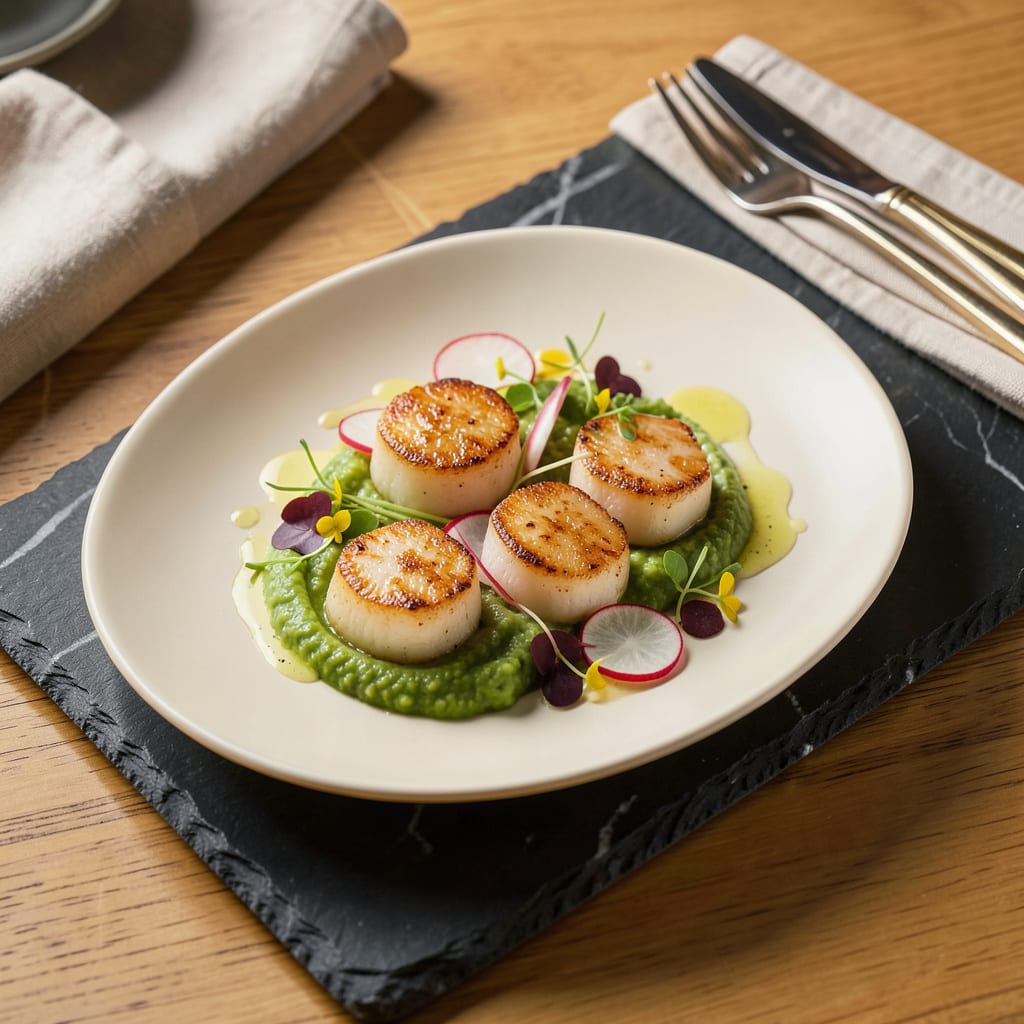
Scallops are generally easy to digest due to their low fat content and simple protein structure. Their soft texture breaks down quickly, making them gentler on the stomach than many other seafood options. However, individual tolerance may vary based on preparation and freshness.
I love recommending scallops to clients with sensitive stomachs because their delicate composition requires minimal digestive effort. Unlike tougher proteins with complex fibers, scallops virtually melt in your mouth, which translates to less work for your gut. The key lies in their lean protein profile—they deliver essential amino acids without the heavy fats that slow digestion. 🔥
What really sets them apart is their minimal connective tissue, unlike chewier seafood options. I’ve noticed even people who struggle with shrimp or lobster often handle scallops well. Just remember: lighter cooking methods like steaming or quick searing preserve this digestive advantage, while heavy breading or frying can negate it.
💡 In This Article
- Why Scallops Are Considered a Digestive-Friendly Seafood
- Best Ways to Prepare Scallops for Optimal Digestion
Why Scallops Are Considered a Digestive-Friendly Seafood
Scallops stand out in the seafood world because their muscle structure lacks the dense connective tissue found in other shellfish. Unlike shrimp or lobster with their fibrous tails, scallops have a simple, uniform protein matrix that digestive enzymes can break down rapidly.
Their protein composition is about 80% water-soluble, meaning it dissolves easily in stomach acids without requiring intense mechanical digestion. This makes them closer to egg whites in digestibility than to tougher proteins like beef or pork. ✨
The fat content in scallops is remarkably low—just 0.5-1 gram per 3.5 ounces—compared to salmon’s 12 grams or even chicken breast’s 3 grams. This minimal fat means your body doesn’t need to produce as much bile to process them, reducing digestive strain.
Their soft, buttery texture comes from natural glycogen (a simple sugar) rather than fats, which metabolizes quickly. I’ve found clients with gallbladder issues often tolerate scallops better than fattier fish for this exact reason. 🔥
What most people don’t realize is that scallops contain taurine, an amino acid that actually supports bile production and fat digestion. This creates a helpful feedback loop: the scallop’s low fat content means less bile is needed, while the taurine helps optimize what bile is produced.
Their zinc content (about 15% DV per serving) also aids protein metabolism, making the digestion process more efficient overall.
Cooking method dramatically impacts digestibility. Steamed scallops retain 98% of their digestive-friendly properties, while deep-fried versions can take 3-4 times longer to digest due to added fats. I always recommend quick, high-heat searing (2-3 minutes per side) to preserve their natural tenderness without adding digestive burdens.
The contrast with mussels is striking—mussels require 20% more digestive effort due to their rubbery texture and higher iron content.
For those with sensitive systems, scallops offer another advantage: they’re naturally low in purines (compounds that break down into uric acid). This makes them a safer choice than anchovies or sardines for people prone to gout or kidney stones.
Their pH-neutral composition also means they’re less likely to trigger acid reflux compared to more acidic seafood options like tomatoes or citrus-marinated fish.
One fascinating study from the Journal of Food Science found that scallops digest 40% faster than chicken breast when prepared similarly. The researchers attributed this to scallops’ unique muscle fiber arrangement, which requires 70% less chewing to break down. This mechanical advantage translates directly to less work for your stomach and intestines. 💫
The only caveat comes with preparation: heavy cream sauces or excessive butter can transform this digestive superstar into a challenging meal. I’ve seen clients who handle plain scallops beautifully struggle with rich preparations. The key is keeping additions light—think lemon, herbs, or a touch of olive oil rather than heavy dairy or fried coatings.

Trained in classic French technique but raised on slow-cooked ribs and spicy rubs, she blends culinary skill with smoke and soul.
- Recipe for Boneless Pork Chops in Cast Iron Skillet: Sear and Baste to Juicy Perfection - October 3, 2026
- Recipe for Boneless Cross Rib Roast: Slow-Roasted Beef with Herb Crust - October 3, 2026
- Hamburgers in Sauce Recipe Crock Pot: Slow-Cooked Savory Delight - October 3, 2026