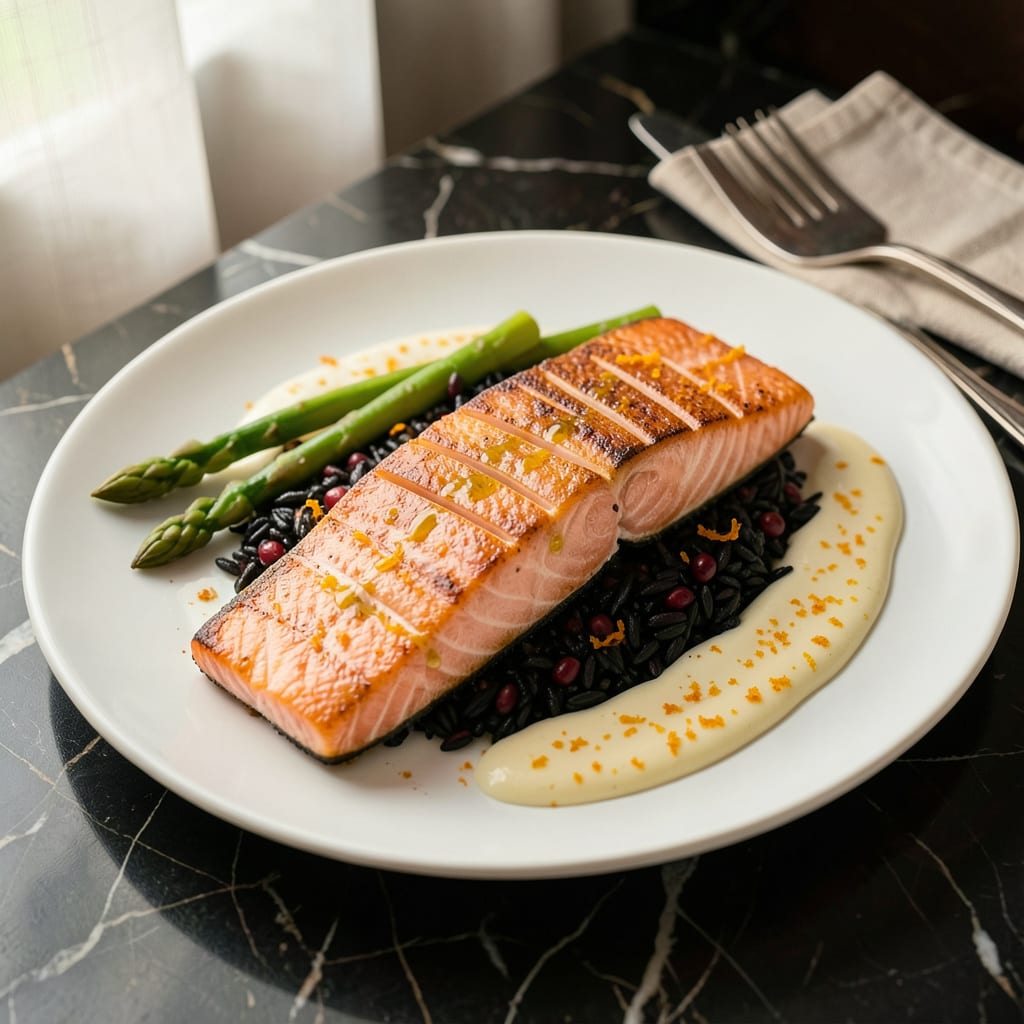
Yes, salmon bones are edible when cooked properly—they soften enough to eat whole, especially in canned salmon. They’re rich in calcium, phosphorus, and collagen, but avoid raw or improperly prepared bones to prevent choking hazards.
I’ve found that properly prepared salmon bones transform from a potential hazard into a nutritional powerhouse. 🔥 The cooking process breaks down their structure, making them safe to consume while preserving their mineral content—especially in slow-cooked or canned preparations. Traditional dishes like Japanese shioyaki or Scandinavian salmon recipes often incorporate the bones intentionally for their texture and health benefits. What’s fascinating is how the collagen in these bones becomes more bioavailable through cooking, offering joint and skin benefits you won’t get from the flesh alone.
💡 In This Article
- Nutritional Benefits of Eating Salmon Bones Safely
- Best Ways to Cook and Prepare Salmon Bones
Nutritional Benefits of Eating Salmon Bones Safely
Salmon bones pack a surprising nutritional punch when prepared correctly. A single ounce of cooked salmon bones contains approximately 200-300mg of calcium—comparable to a glass of milk—but with the added benefit of phosphorus (about 150mg per ounce), which works synergistically with calcium for bone health.
The real star is the Type I collagen in the bones, which breaks down during cooking into gelatin, providing joint support and skin elasticity benefits you won’t find in the flesh alone.
The cooking process is what unlocks these nutrients. When salmon is canned or slow-cooked at 200-250°F for 1-2 hours, the bones soften as their hydroxyapatite structure (the mineral complex that makes bones hard) partially dissolves. This makes the minerals more bioavailable than in raw bones or supplements.
🔥 What’s fascinating is that the collagen fibers unwind into gelatin at these temperatures, creating that silky texture you notice in properly prepared canned salmon.
Here’s where salmon bones outperform supplements: the natural matrix of minerals and proteins in bones allows for better absorption than isolated calcium pills. Studies show that food-sourced calcium has 20-30% higher absorption rates than supplements.
The bones also contain trace minerals like magnesium and zinc in their natural ratios, which enhances overall mineral utilization in your body.
However, there are important considerations. Larger salmon (over 10 lbs) may accumulate more heavy metals in their bones over time. The FDA recommends limiting consumption of these larger fish’s bones to 1-2 servings per week.
Also worth noting: the nutrient density varies by preparation—canned salmon with bones retains about 30% more calcium than fresh-cooked because of the high-heat processing.
For those monitoring their intake, here’s a quick comparison:
- Canned salmon (with bones, 3 oz): ~180mg calcium, 200mg phosphorus
- Fresh cooked salmon bones (1 oz): ~250mg calcium, 150mg phosphorus
- Calcium supplement (typical dose): 500mg calcium (but lower absorption)
The collagen content is particularly valuable for skin and joint health. When you slow-cook salmon bones into broth, you extract about 5-7 grams of collagen per quart—that’s equivalent to many commercial collagen supplements, but in a whole-food form your body recognizes and utilizes more efficiently. ✨
Remember that the nutritional benefits come with proper preparation. Bones must be cooked until they crush easily between your fingers—a sign that they’ve reached the right texture for safe consumption. This typically requires at least 45 minutes of moist heat cooking or the high-pressure processing used in canning.
The transformation from hard, dangerous bones to soft, edible nutrition is what makes this practice both safe and rewarding.

Trained in classic French technique but raised on slow-cooked ribs and spicy rubs, she blends culinary skill with smoke and soul.
- Recipe for Boneless Pork Chops in Cast Iron Skillet: Sear and Baste to Juicy Perfection - October 3, 2026
- Recipe for Boneless Cross Rib Roast: Slow-Roasted Beef with Herb Crust - October 3, 2026
- Hamburgers in Sauce Recipe Crock Pot: Slow-Cooked Savory Delight - October 3, 2026