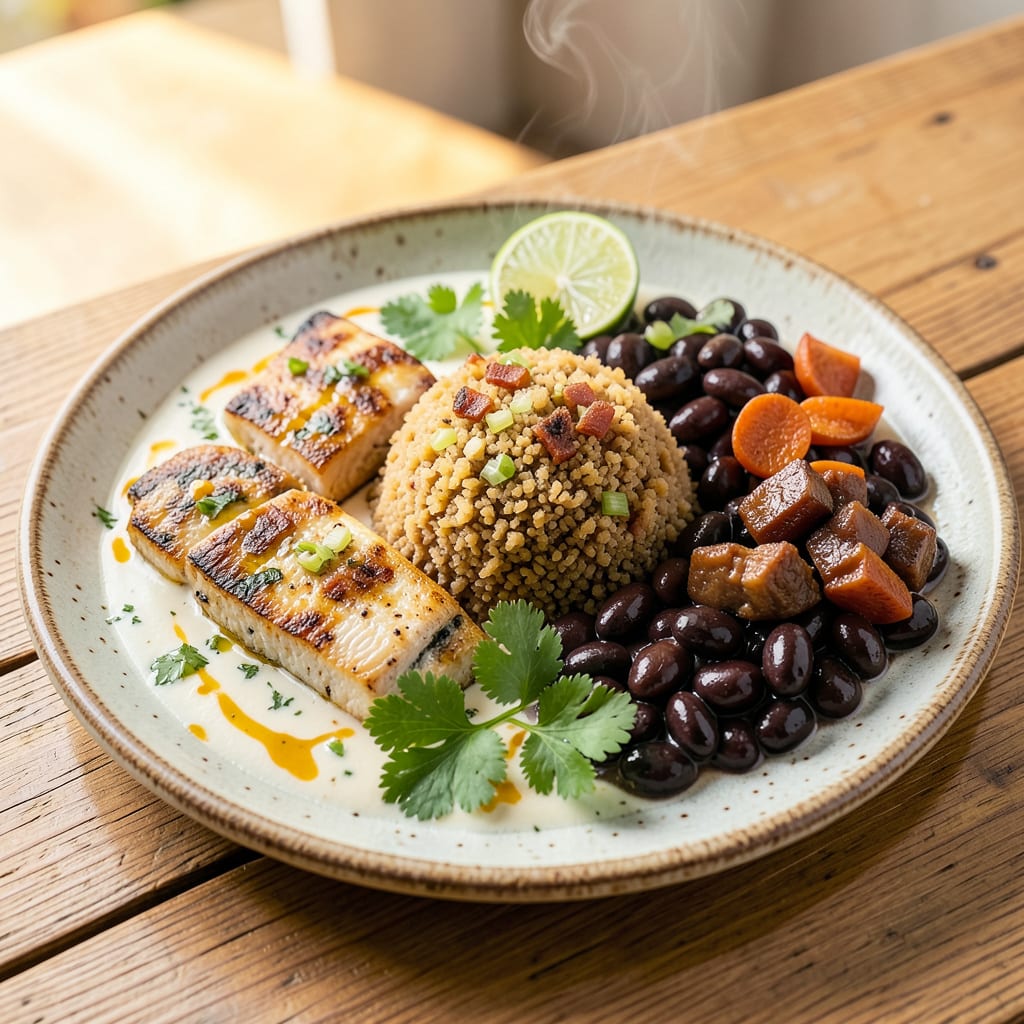
“Tempero a gosto” is a Portuguese phrase meaning ‘season to taste.’ It encourages cooks to adjust salt, spices, and herbs based on personal preference rather than following fixed measurements, allowing for flexible, intuitive flavor balancing.
This approach transforms cooking from rigid instructions into an interactive experience. 🔥 I’ve found it particularly valuable when working with seasonal ingredients—what might need a pinch of salt in summer could require more in winter. The technique also honors regional differences, like how coastal areas might prefer brighter citrus notes while inland regions lean toward earthier spices.
What sets this method apart is its emphasis on real-time adjustments. Unlike baking where precision is critical, this philosophy lets you taste and tweak as you go. It’s how I developed my signature rubs—starting with a base, then layering flavors until they sing. ✨
💡 In This Article
- The Culinary Philosophy Behind Tempero a Gosto
- Practical Tips for Mastering Tempero a Gosto in Recipes
The Culinary Philosophy Behind Tempero a Gosto
This approach reflects a cultural mindset where cooking is an evolving conversation between chef and ingredients. In Brazil, where I’ve spent time studying regional techniques, the same dish might taste completely different from Bahia to São Paulo because of local preferences.
🌟 The philosophy embraces that 1 teaspoon of salt might be perfect for one family but overwhelming for another.
The science behind this method lies in how our taste buds perceive flavors differently. Studies show genetic variations can make some people taste salt 30% more intensely than others. That’s why Brazilian recipes often list “tempero a gosto” instead of exact measurements—it accounts for biological differences in flavor perception.
I’ve seen this firsthand when teaching classes where students need vastly different amounts of chili to reach their “perfect heat” level.
What makes this philosophy special is how it honors ingredient quality. A ripe tomato from a local market might need less salt than a supermarket variety because its natural sugars are more concentrated.
🔥 The technique also reflects Brazil’s diverse climate—coastal regions with abundant seafood naturally use more citrus and salt, while inland areas with heartier meats might emphasize black pepper and garlic.
This stands in stark contrast to French cuisine’s precise measurements or Japanese cooking’s strict traditions. While those systems prioritize consistency, “tempero a gosto” values adaptability. It’s why Brazilian home cooks might adjust a feijoada recipe four different ways in one family—each generation adding their personal touch while keeping the dish’s soul intact.
The method also teaches important cooking skills. When you season to taste, you develop palate sensitivity that no recipe can teach. I train my students to add salt in ¼ teaspoon increments, taste, then decide—this builds confidence and intuition. ✨ It’s the difference between following instructions and truly understanding flavor balance.
Interestingly, this philosophy extends beyond home kitchens. Many Brazilian restaurants train cooks to adjust seasoning throughout service based on customer feedback and daily ingredient variations. A dish might start with a base recipe, but the final seasoning is always applied “a gosto” right before serving to account for that day’s specific conditions.
At its core, this approach celebrates cooking as a living tradition rather than a fixed science. It’s why Brazilian cuisine remains so vibrant and diverse—each cook brings their personal history and preferences to every dish they prepare. 💫

Trained in classic French technique but raised on slow-cooked ribs and spicy rubs, she blends culinary skill with smoke and soul.
- Recipe for Boneless Pork Chops in Cast Iron Skillet: Sear and Baste to Juicy Perfection - October 3, 2026
- Recipe for Boneless Cross Rib Roast: Slow-Roasted Beef with Herb Crust - October 3, 2026
- Hamburgers in Sauce Recipe Crock Pot: Slow-Cooked Savory Delight - October 3, 2026