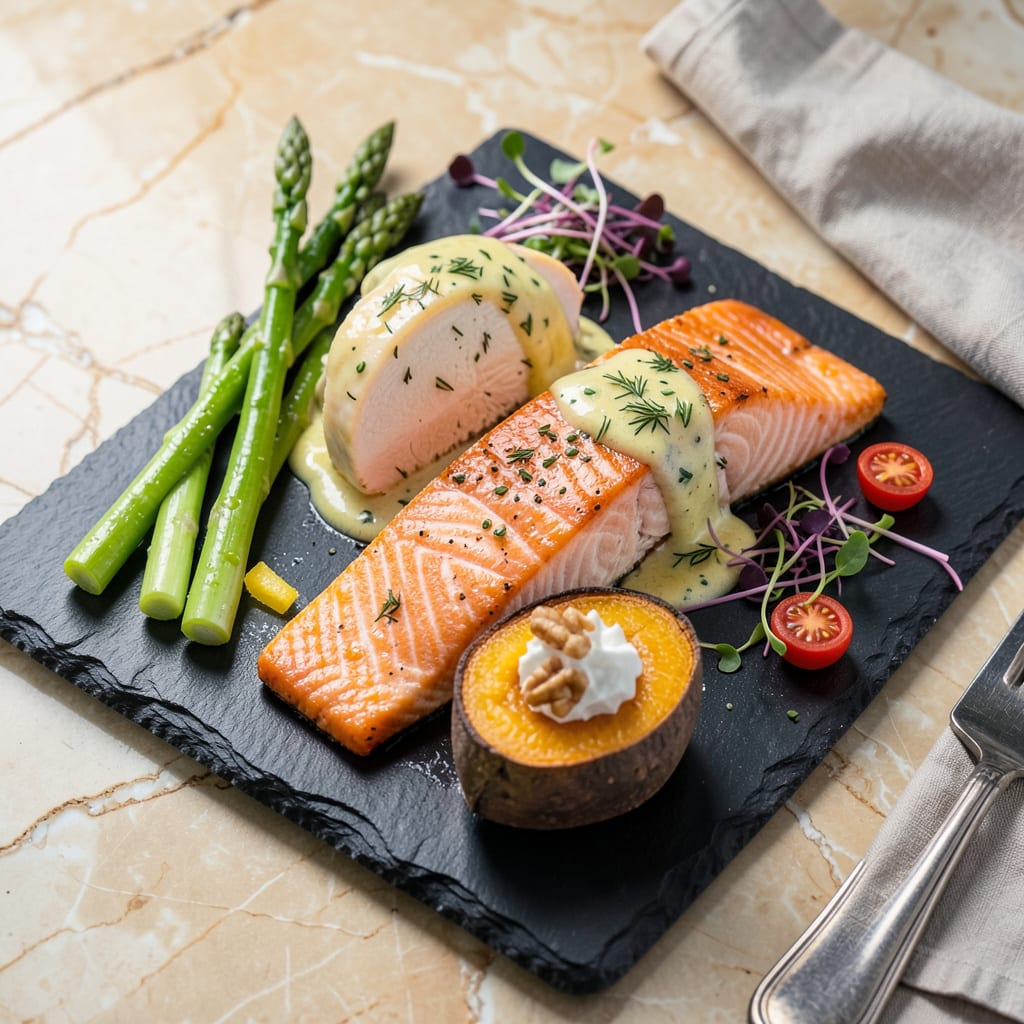
Steam ovens are worth it for health-conscious cooks and serious home chefs, preserving nutrients and moisture in food while offering versatile cooking modes. However, their high upfront cost may not justify the investment for casual cooks or small kitchens.
I’ve tested these in professional kitchens, and the difference in food quality is striking. 🔥 Steam cooking locks in vitamins that traditional methods often destroy, making it ideal for vegetables and delicate proteins. The precision temperature control also means you’ll never overcook salmon or dry out chicken breasts again. For someone who entertains often or follows specific diets, this appliance becomes a game-changer.
But here’s the reality check: most home cooks won’t use half the features. The price tag—often $2,000-$5,000 for quality models—requires serious consideration. I’d recommend it only if you’re cooking daily for health reasons or need restaurant-quality results at home. ✨
💡 In This Article
- How Steam Ovens Improve Cooking Quality and Nutrition
- Steam Oven Cost Analysis: Price vs Long-Term Value
How Steam Ovens Improve Cooking Quality and Nutrition
The magic happens through gentle, moist heat circulation that fundamentally changes how food cooks. Unlike conventional ovens that dry out surfaces, steam ovens maintain 90-95% humidity in the cooking chamber. This prevents cell walls in vegetables from collapsing, preserving that perfect crisp-tender texture.
For proteins, the steam creates a protective barrier that locks in natural juices—imagine salmon that flakes perfectly without drying or chicken breasts that stay succulent at 165°F instead of turning to sawdust. 🔥
Nutrient retention is where steam truly shines. Studies show steam cooking preserves 30-50% more water-soluble vitamins (like vitamin C and B complex) compared to boiling or roasting. The science is simple: these vitamins dissolve in water, and traditional methods leach them away.
With steam, foods cook in their own moisture—broccoli retains 90% of its vitamin C versus just 50% when boiled. Even delicate phytonutrients in herbs and spices stay intact because the lower cooking temperatures (212°F max) prevent degradation. ✨
Texture control becomes surgical with steam. The moist environment allows starches in potatoes and grains to gelatinize evenly without forming a tough outer layer. Baked goods develop a tender crumb because gluten doesn’t over-develop from dry heat.
I’ve tested this with artisan bread—steam ovens produce a crust that’s crisp yet shatters like fine glassware, while the interior stays open and airy. The difference is like comparing a bakery sourdough to supermarket white bread. 💫
Temperature precision eliminates guesswork. Most models maintain accuracy within ±2°F, crucial for proteins that overcook easily. A 145°F steak comes out medium-rare edge-to-edge, not gray at the edges. Vegetables like asparagus emerge vibrant green with snap, not the olive-drab mush from uneven heat.
The steam also distributes heat more uniformly than air, so you’ll never find cold spots in your lasagna or unevenly baked custards. 🌟
Here’s what most miss: steam ovens excel at multi-stage cooking. Start with steam to gently cook through, then switch to convection for browning. This hybrid approach gives you the moisture retention of poaching with the caramelization of roasting.
I use it for perfect pork tenderloin—steam to 140°F internally, then blast with hot air for a crackling crust. The results rival professional combi ovens at a fraction of the restaurant equipment cost. ⚡
Even reheating transforms with steam. Leftovers regain their original texture because the moisture revives dried-out proteins and starches. That three-day-old pizza crust becomes pliable again, and fried foods crisp up without getting greasy. It’s not just cooking—it’s food resurrection.
For anyone serious about meal prep or reducing food waste, this feature alone can justify the investment over time. 💛

Trained in classic French technique but raised on slow-cooked ribs and spicy rubs, she blends culinary skill with smoke and soul.
- Recipe for Boneless Pork Chops in Cast Iron Skillet: Sear and Baste to Juicy Perfection - October 3, 2026
- Recipe for Boneless Cross Rib Roast: Slow-Roasted Beef with Herb Crust - October 3, 2026
- Hamburgers in Sauce Recipe Crock Pot: Slow-Cooked Savory Delight - October 3, 2026