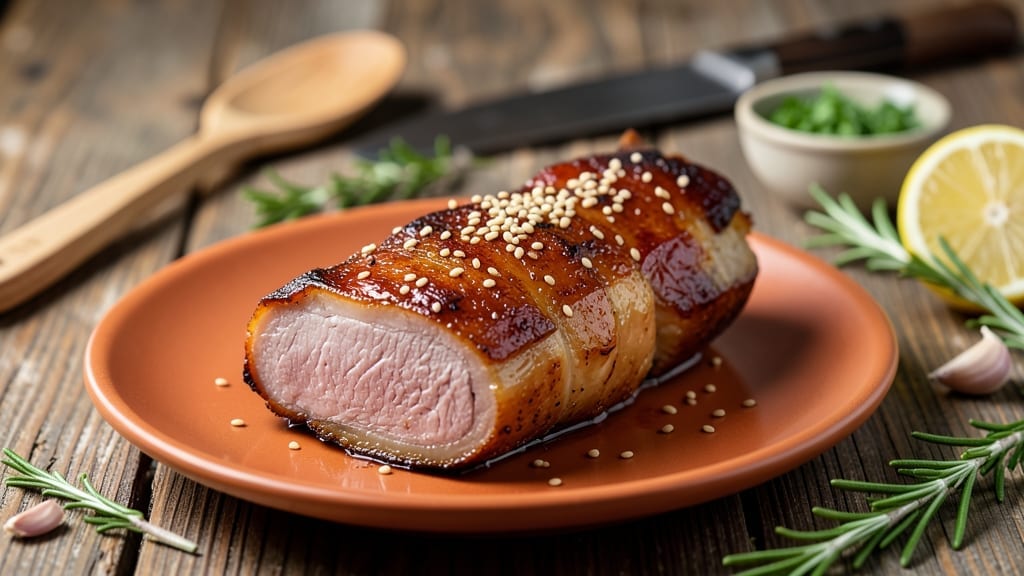
This baked smoked ham shank recipe transforms tough cuts into melt-in-your-mouth perfection through slow, controlled heat and precise technique. The day I realized French slow-roasting could elevate my family’s backyard smoked meats changed everything—now you can recreate that restaurant-quality tenderness at home.
Whether you’re using a smoker or oven, the key lies in patience and temperature control, ensuring every bite is juicy and flavorful.
The process begins with a simple yet flavorful dry rub—just salt, pepper, and a touch of smoked paprika—to enhance the ham’s natural sweetness without overpowering it.
For those with access to a smoker, hickory or applewood imparts a subtle, aromatic depth, while oven-baked versions rely on steady low heat to break down collagen into rich, velvety juices. The result?
A ham shank so tender it practically falls apart at the touch, with a crisp exterior that holds up to any side dish.
What sets this recipe apart is its versatility—serve it sliced thin for sandwiches, shredded over mashed potatoes, or as the centerpiece of a holiday feast. The slow-cooked method ensures maximum flavor retention, turning a simple protein into a showstopper.
With just a few hours of hands-off time, you’ll have a dish that tastes like it came from a pitmaster’s table.
Pair it with roasted root vegetables or a tangy mustard glaze for the full experience. Here’s how to achieve that juicy, fall-apart perfection every time.
Ingredients for baked smoked ham shank
Six pounds of ham shank meets slow-roasted perfection with just these ingredients.
| Ingredient | Amount | Notes |
|---|---|---|
| Bone-In Ham Shank 🐷 | 4 lb | Fresh or smoked, skin removed |
| Smoked Paprika 🌶️ | 2 tbsp | For dry rub seasoning |
| Coarse Sea Salt 🧂 | 2 tbsp | Diamond Crystal preferred |
| Freshly Ground Black Pepper 🌶️ | 1 ½ tbsp | Medium-coarse grind |
| Unsalted Butter 🧈 | ½ cup | For basting and glazing |
| Apple Cider Vinegar 🍎 | ¼ cup | For basting solution |
| Brown Sugar 🍚 | ¼ cup | Packed, for glaze |
| Fresh Rosemary 🌿 | 1 tbsp | Chopped, for garnish |
| Fresh Thyme 🌿 | 1 tbsp | Chopped, for rub |
| Dijon Mustard 🧂 | 2 tbsp | For glaze base |
| Honey 🍯 | 2 tbsp | For sweetness balance |
| Dry White Wine 🍷 | ¼ cup | For deglazing |
[recipe_ingredient_scaler]
The ham shank is your star—bone-in cuts work best for maximum flavor and juiciness. Look for fresh or pre-smoked at your butcher or high-end grocery stores like Whole Foods or Costco for the best quality. If using pre-smoked, pat it dry before seasoning to help the rub adhere. The skin should be removed for even cooking, but leave the bone intact to add depth. For the best texture, choose shanks with visible marbling—it’s worth the extra dollar. I always grab a couple pounds more than needed since it shrinks dramatically during cooking.
No smoked paprika? Regular paprika plus a pinch of cayenne gets you close, though the smoky depth won’t be identical. Short on fresh herbs? Dried rosemary and thyme at half the amount work but lose some aroma. The Dijon mustard is key for tang—whole-grain mustard adds texture if you’re feeling fancy. Wine on hand? Dry white like Sauvignon Blanc is ideal, but beef broth with a splash of vinegar works in a pinch. The brown sugar can be substituted with maple syrup for a less grainy glaze, though it won’t caramelize as nicely. Always taste your glaze before applying—adjust sweetness or acidity as needed.
This ham shank reheats beautifully—place slices between parchment paper and warm in a 300°F oven for 10-15 minutes. The glaze will thicken slightly, making it even stickier. Store leftovers in an airtight container in the fridge for 5 days, or freeze portions for up to 3 months. I like to portion it into meal-sized containers so I can grab a slice for sandwiches or salads. The basting liquid can be saved and reduced into a quick sauce for drizzling over mashed potatoes or roasted veggies—just simmer it down until thickened and add a splash of vinegar for brightness.
Why You’ll Love This Recipe
- I’ve got a rule: if I cook it, I’ll eat it again. These leftovers? Ridiculously good cold in wraps, reheated in soup, or even just as-is with a fork. And freezing portions? Up to 3 months—so I can have this taste anytime, no excuses.
- The 30-Minute Prep Hack: Honestly, the hardest part is waiting for the oven to preheat. The dry rub—just mix those spices, pat that ham bone-dry, and slather it on—takes less time than microwaving leftovers. That’s how I sneak in a home-cooked meal even when my schedule’s a mess.
- Crispy Outside, Creamy Inside: The glaze with unsalted butter, brown sugar, and apple cider vinegar? Chef’s kiss. You get that perfect caramelized crust while the inside stays so tender it practically melts. My kids fight over the last slice—no exaggeration.
- Leftover Magic: I’ve got a rule: if I cook it, I’ll eat it again. These leftovers? Ridiculously good cold in wraps, reheated in soup, or even just as-is with a fork. And freezing portions? Up to 3 months—so I can have this taste anytime, no excuses.
Step-by-step instructions for slow-roasted smoked ham shank
Here’s the method that transforms tough ham into melt-in-your-mouth perfection.
Prepare the Dry Rub and Season the Ham
In a small bowl, combine the 2 tbsp smoked paprika, 2 tbsp coarse sea salt, 1½ tbsp freshly ground black pepper, and 1 tbsp chopped fresh thyme. Mix thoroughly until the spices are evenly distributed. This aromatic blend is the foundation of flavor that will penetrate the meat during the long cook.
Pat the 4 lb bone-in ham shank completely dry with paper towels—this step is non-negotiable for crispy skin. Apply the dry rub generously all over the ham, pressing it into the meat so it adheres well. Don’t skip this; the spices need direct contact to create that deep, smoky flavor profile. Let the ham sit at room temperature for 30 minutes before roasting to ensure even cooking.
Create the Basting Glaze and Preheat the Oven
In a small saucepan, melt the ½ cup unsalted butter over low heat. Remove from heat and whisk in the ¼ cup apple cider vinegar, ¼ cup packed brown sugar, 2 tbsp Dijon mustard, and 2 tbsp honey. The mixture should be smooth and slightly thickened—this will become the glaze that caramelizes beautifully during roasting.
Preheat your oven to 325°F. Place the seasoned ham on a rack set inside a roasting pan. The rack elevates the meat, allowing heat to circulate evenly and preventing steam from turning the skin soggy. Pour ¼ cup dry white wine into the bottom of the pan—this creates a flavorful pan sauce later and adds moisture to the oven environment.
Roast Low and Slow Until Fork-Tender
Roast the ham for 3 hours, basting with the glaze every 45 minutes. The slow, gentle heat breaks down collagen in the connective tissue, transforming tough meat into succulent, juicy slices. Here’s the thing—don’t rush this step. The ham needs time to transform, and rushing leads to dry, chewy results.
After 3 hours, check the internal temperature using a meat thermometer. It should read 190-195°F in the thickest part of the meat. If it’s lower, continue roasting, basting with additional glaze as needed. The ham is done when it reaches this temperature and a knife slides in easily with minimal resistance.
Rest and Carve for Maximum Juiciness
Remove the ham from the oven and transfer it to a cutting board. Tent loosely with foil and let it rest for 30 minutes. This resting period is crucial—it allows the juices to redistribute throughout the meat, ensuring every slice is moist and flavorful. Skipping this step means juicy slices turning dry as they sit.
During the rest, spoon the pan juices and any remaining glaze over the top of the ham. Use the 1 tbsp chopped fresh rosemary to garnish the surface just before serving. To carve, slice against the grain into ¼-inch thick portions. Each slice should be tender enough to pull apart with a gentle tug, with a glossy glaze and crisp edges.
Pro Tips For Making Baked Smoked Ham Shank
- Skip the Cold Start: Let that ham sit at room temp for 30 minutes before roasting—yes, even if you’re impatient like me. Cold meat cooks unevenly, and you’ll end up with a dry outer layer before the center ever softens. Trust the process, and you’ll get that perfect melt-in-your-mouth texture.
- Whisk the Glaze Hot: Melt the ½ cup unsalted butter first, then whisk in the vinegar, brown sugar, mustard, and honey off the heat. I learned this the hard way—adding vinegar to hot butter makes it split like curdled milk. The glaze should coat the back of a spoon; if it’s too thin, simmer it gently for a minute to thicken.
- Wine in the Pan: Pour that ¼ cup dry white wine into the roasting pan before adding the ham—it’s not just for flavor, it’s for moisture. The wine steams slightly, keeping the oven environment humid enough to prevent the ham from drying out during those 3 hours. (And yes, the pan sauce will be worth the effort.)
- Carve Against the Grain: Slice the ham against the grain into ¼-inch thick pieces—no wider, or you’ll fight chewiness. I used to cut with the grain, thinking it’d be easier, but the meat just fell apart in tough strands. The grain runs lengthwise, so look for the long muscle fibers and slice perpendicular to them for tender bites every time.
Best sauces and condiments for these flavors
Sweet-Tangy Glaze Boost
This recipe’s signature glaze—made with Dijon mustard, honey, and apple cider vinegar—is the perfect balance of sweet and tangy. I like to finish it with a pinch of flaky sea salt like Kosher Diamond Crystal for a sophisticated touch.
The vinegar brightens the richness of the ham, while the honey adds a caramelized depth that makes every bite irresistible. 🍯
Honey-Mustard Drizzle
For a lighter alternative, mix 2 tbsp honey with 1 tbsp Dijon mustard and a splash of white wine vinegar. Drizzle this over the sliced ham just before serving—it’s simple but transforms the dish with its bright, slightly acidic kick.
I keep a bottle of Penzeys Honey on hand for its smooth texture and consistent sweetness.
Rosemary-Infused Oil
Fresh rosemary isn’t just for garnish—infuse ¼ cup olive oil with 2 sprigs chopped rosemary and a pinch of sea salt for 10 minutes over low heat. Strain and drizzle this fragrant oil over the ham slices.
The herbal notes complement the smoky depth of the ham perfectly, especially if you’re serving it with roasted potatoes. 🌿
Apple Butter Swirl
For a seasonal twist, spread a thin layer of store-bought or homemade apple butter (like Toppings Company) over the ham slices before serving. The warm, spiced apple flavor pairs beautifully with the smoky paprika rub.
I like to add a sprinkle of crunchy pecans for texture—it’s a Southern-inspired touch that feels festive.
Mustard-Herb Compound Butter
Mix ¼ cup softened butter with 1 tbsp Dijon mustard, 1 tbsp chopped thyme, and a pinch of smoked paprika. Spread this compound butter over the ham slices or use it to baste while roasting.
The herby richness elevates the ham’s natural flavors, and it’s a great way to use up leftover glaze. This is my go-to for a restaurant-quality finish. 💫
Nutrition facts
Frequently asked questions
Why does the recipe call for bone-in ham shank instead of boneless?
The bone-in cut adds incredible depth of flavor and juiciness that boneless ham simply can’t match. The bone acts like a natural flavor infuser, slowly releasing collagen into the meat during cooking. Plus, the bone helps maintain moisture—when you slice into a bone-in ham, you’ll find it far more tender and succulent than boneless versions. For the best results, always choose bone-in!
Can I use pre-smoked ham instead of fresh?
Pre-smoked ham works beautifully in this recipe. Just pat it completely dry before applying the dry rub—this ensures the spices adhere properly and helps create that perfect crispy skin. The existing smoke flavor will complement the glaze and herbs beautifully, giving you a rich, layered taste.
What if I don’t have a meat thermometer? How will I know when it’s done?
While a thermometer is ideal, you can check doneness by inserting a sharp knife into the thickest part of the ham. When the meat is fork-tender and the juices run clear (not pink), it’s ready. You’ll also notice the ham pulling away slightly from the bone—this is a good visual cue. For extra confidence, pierce the thickest part and let it rest for 10 minutes before checking again.
How can I make the glaze thicker for a stickier finish?
After roasting, spoon the pan juices and any remaining glaze over the ham and let it rest covered with foil. The natural reduction will thicken the glaze beautifully. For an extra glossy finish, you can also brush the ham with a little of the reduced pan juices during the last 30 minutes of cooking. This will create a caramelized crust that’s irresistible!
Can I make this recipe ahead of time?
Yes! This ham actually tastes even better the next day as the flavors meld. After cooking, let it cool completely, then wrap it tightly in plastic wrap or foil. Store in an airtight container in the fridge for up to 5 days. When ready to serve, simply reheat slices between parchment paper in a 300°F oven for 10-15 minutes to restore that perfect texture.

Trained in classic French technique but raised on slow-cooked ribs and spicy rubs, she blends culinary skill with smoke and soul.
- Slow Cooker Barbecue Pork Recipe: Fall-Apart Tender With Smoky Depth - November 2, 2026
- Pork Butt Smoker Recipe: Low and Slow to Juicy, Fall-Off-Bone Tenderness - November 2, 2026
- Brisket Recipe Slow Cooker: Fall-Apart Tender With Minimal Effort - November 2, 2026