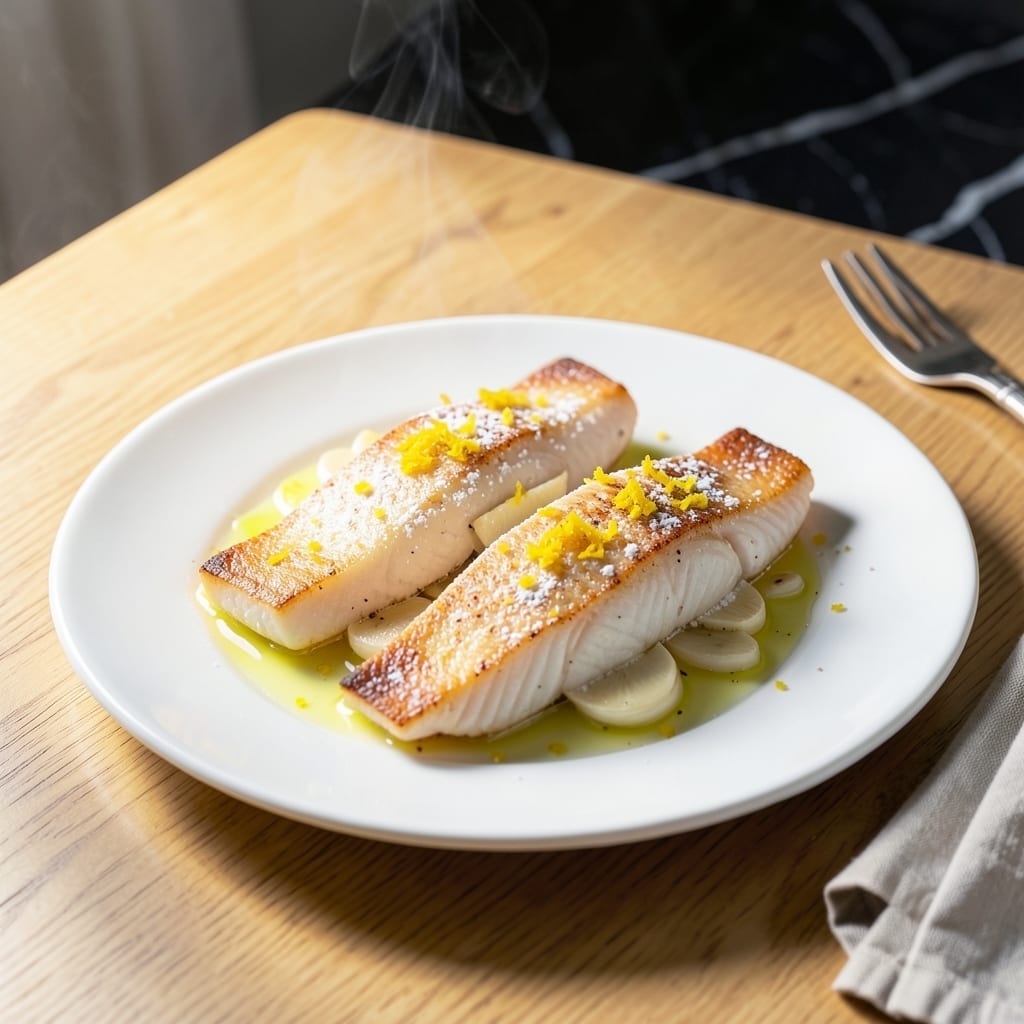
This baked sole recipe delivers perfectly flaky white fish every time with minimal effort. The secret lies in the gentle oven heat that preserves the delicate texture of the sole while allowing the lemon butter sauce to infuse every bite.
I developed this method after years of experimenting with different cooking techniques for white fish. The key is using fresh sole fillets and a precise baking time to achieve that ideal tender flakiness without drying out the fish.
The lemon butter sauce adds a bright, rich finish that complements the mild flavor of the sole. Serve this dish with steamed asparagus or roasted potatoes for a complete meal that highlights the fish as the star.
What you get is a restaurant-quality seafood dish that’s surprisingly simple to prepare at home. The fish emerges from the oven moist, tender, and perfectly seasoned, ready to impress at any dinner table.
Ingredients for Baked Sole
Fresh sole, bright lemon, and rich butter make this dish sing with minimal effort.
| Ingredient | Amount | Notes |
|---|---|---|
| Sole Fillets 🐟 | 1 ½ lb | Fresh, skinless, about 4 fillets |
| Unsalted Butter 🧈 | ½ cup | Melted for sauce |
| Fresh Lemon Juice 🍋 | ¼ cup | About 2-3 lemons |
| Lemon Zest 🍋 | 1 tbsp | Finely grated from 1 lemon |
| Garlic Cloves 🧄 | 3 cloves | Minced for sauce |
| All-Purpose Flour 🌾 | ¼ cup | For light dusting |
| Salt 🧂 | 1 tsp | Kosher or sea salt preferred |
| Black Pepper 🌶️ | ½ tsp | Freshly ground |
| Fresh Parsley 🌿 | 2 tbsp | Chopped for garnish |
| Olive Oil 🫒 | 1 tbsp | For greasing baking dish |
| Dry White Wine 🍷 | ¼ cup | Optional for sauce depth |
| Heavy Cream 🥛 | ¼ cup | Optional for richer sauce |
[recipe_ingredient_scaler]
Sole is the star here. Wild-caught from a trusted seafood counter is ideal—look for fillets that are translucent and smell like the ocean, not fishy. Most Whole Foods or local fishmongers can source it fresh if you call ahead. The butter should be European-style for that extra richness, but any unsalted works. For the lemon, Meyer lemons (when in season) add a floral note that takes this over the top.
No sole? Flounder or tilapia are the closest substitutes—similar mild flavor and delicate texture. Out of white wine? Fish stock with a splash of lemon juice gets you 90% there. Skip the cream? The sauce will be lighter but still delicious. The parsley garnish isn’t just pretty—it adds a fresh contrast to the richness. Don’t have fresh? Dried at one-third the amount works in a pinch.
Bake and serve immediately—sole waits for no one. Leftovers (if any) keep 1-2 days in the fridge, but the texture changes. Not ideal for freezing. Prep the sauce ingredients first so everything’s ready when the fish comes out of the oven.
Why You’ll Love This Recipe
- One Pan Magic: I just pop the sole fillets on a sheet, drizzle with melted butter, lemon, and garlic, and the oven does the rest.
- Bright & Zesty: That combo of fresh lemon juice and zest with the garlic butter makes every bite taste like a seaside vacation.
- Weeknight Hero: Honestly, it’s my go-to for busy evenings—light enough for summer but cozy enough for winter too.
- Budget Friendly: Sole fillets bake up fast, so I stretch a pound to feed four without breaking the bank.
Step-by-Step Instructions for Baked Sole
Here’s the method. Straightforward, tested, works every time.
Step 1: Prepare the Sole Fillets
Pat the 1.5 lb Sole Fillets completely dry with paper towels. This is critical—moisture prevents proper browning and crisping. Season both sides evenly with the 1 tsp Salt and 0.5 tsp Black Pepper, pressing gently to adhere.
Lightly dust each fillet with the 0.25 cup All-Purpose Flour, shaking off any excess. The flour creates a delicate crust that helps lock in moisture. I’ve found that a fine mesh strainer works well for an even, light dusting.
Step 2: Sear the Fillets Briefly
Heat the 1 tbsp Olive Oil in a large oven-safe skillet over medium-high heat until shimmering. Add the fillets and sear for 1-2 minutes per side until just lightly golden. Don’t overcrowd the pan—cook in batches if necessary.
You’re not cooking them through at this stage, just creating a flavorful base. The fillets should release easily from the pan when ready to flip. Transfer them to a plate and set aside while you prepare the sauce.
Step 3: Create the Lemon Butter Sauce
Reduce heat to medium and add the 0.5 cup Unsalted Butter to the same skillet. Once melted, add the 3 cloves Garlic Cloves (minced) and sauté for 30 seconds until fragrant. Pour in the 0.25 cup Fresh Lemon Juice and 1 tbsp Lemon Zest, stirring to combine.
For extra depth, add the 0.25 cup Dry White Wine and let it simmer for 2 minutes to reduce slightly. Stir in the 0.25 cup Heavy Cream and cook for another 1-2 minutes until the sauce thickens enough to coat the back of a spoon.
Step 4: Bake to Flaky Perfection
Return the fillets to the skillet, spooning the sauce over each one. Transfer the skillet to a preheated 375°F oven and bake for 8-10 minutes. The dish is done when the fish flakes easily with a fork and reaches an internal temperature of 145°F.
Watch for the edges of the fillets to turn opaque and the tops to look slightly puffed. Avoid overbaking—sole cooks quickly and can become dry if left too long.
Step 5: Garnish and Serve
Remove the skillet from the oven and sprinkle the 2 tbsp Fresh Parsley evenly over the top. Let the dish rest for 2 minutes to allow the flavors to meld. The sauce should be glossy and cling lightly to the delicate fillets.
Serve immediately while hot, dividing the fillets and sauce evenly among plates. Each bite should deliver tender, flaky fish with a bright, buttery lemon sauce that complements without overpowering.
Pro Tips For Making Baked Sole
- Pat Fillets Dry: I learned this the hard way—skip this and your sole will steam instead of bake. Use paper towels to remove every bit of moisture before hitting the oven.
- Room Temp First: Pull your sole fillets out 15 minutes before baking. Cold fish straight from the fridge cooks unevenly, and nobody wants dry edges with a raw center.
- Don’t Overcrowd: Give each fillet its own space on the baking sheet, at least an inch apart. Crowding traps steam, and you’ll end up with soggy fish instead of that delicate flake.
- Butter Last: Melt your butter with garlic and lemon just before adding it to the fillets. If it sits too long, the lemon can curdle the butter—I’ve ruined a batch this way.
Regional Styles of This baked sole
Mediterranean Style
In coastal Greece, they prepare sole with olive oil, lemon, and fresh oregano. I add Kalamata olives and cherry tomatoes to the baking dish for extra Mediterranean flair. The fish bakes at 375°F for 8-10 minutes just like our base recipe. 🌿
French Meunière
The classic French approach uses brown butter and parsley with a squeeze of lemon. Cook the butter until nutty and golden before adding the fillets. This technique highlights the sole’s delicate flavor without overpowering it.
Provençal Herbs
For a taste of Provence, I mix herbes de Provence into the flour before dusting the fillets. The blend of thyme, rosemary, and lavender adds a fragrant depth. Serve with a side of ratatouille for a complete Provençal experience.
Lemon-Caper Sauce
In Southern Italy, they often add 2 tbsp capers to the lemon butter sauce. The briny capers cut through the richness beautifully. I also throw in a pinch of red pepper flakes for a subtle kick.
Asian-Inspired
For an Asian twist, replace the lemon with lime juice and add 1 tbsp grated ginger and 1 minced shallot to the sauce. Garnish with cilantro instead of parsley. This version pairs wonderfully with jasmine rice. ✨
New England Style
New England cooks often top sole with Ritz cracker crumbs mixed with melted butter. Bake until golden and crispy. It’s a nostalgic preparation that reminds me of family dinners by the coast.
Nutrition Facts
Frequently Asked Questions
What temperature should I bake the fish at?
Bake the sole at 375°F for the best results. This temperature ensures even cooking without drying out the delicate fillets.
How do I know when it’s done?
The fish is ready when it flakes easily with a fork and reaches an internal temperature of 145°F. Look for opaque edges and a slightly puffed top.
Can I use frozen fillets instead of fresh?
Yes, but thaw them completely in the fridge overnight first. Pat them very dry before cooking to avoid a watery sauce.
What’s the best way to prevent sticking?
Use an oven-safe skillet and ensure it’s well-heated before adding the fillets. The light flour dusting also helps create a barrier.

Trained in classic French technique but raised on slow-cooked ribs and spicy rubs, she blends culinary skill with smoke and soul.
- Recipe for Boneless Pork Chops in Cast Iron Skillet: Sear and Baste to Juicy Perfection - October 3, 2026
- Recipe for Boneless Cross Rib Roast: Slow-Roasted Beef with Herb Crust - October 3, 2026
- Hamburgers in Sauce Recipe Crock Pot: Slow-Cooked Savory Delight - October 3, 2026