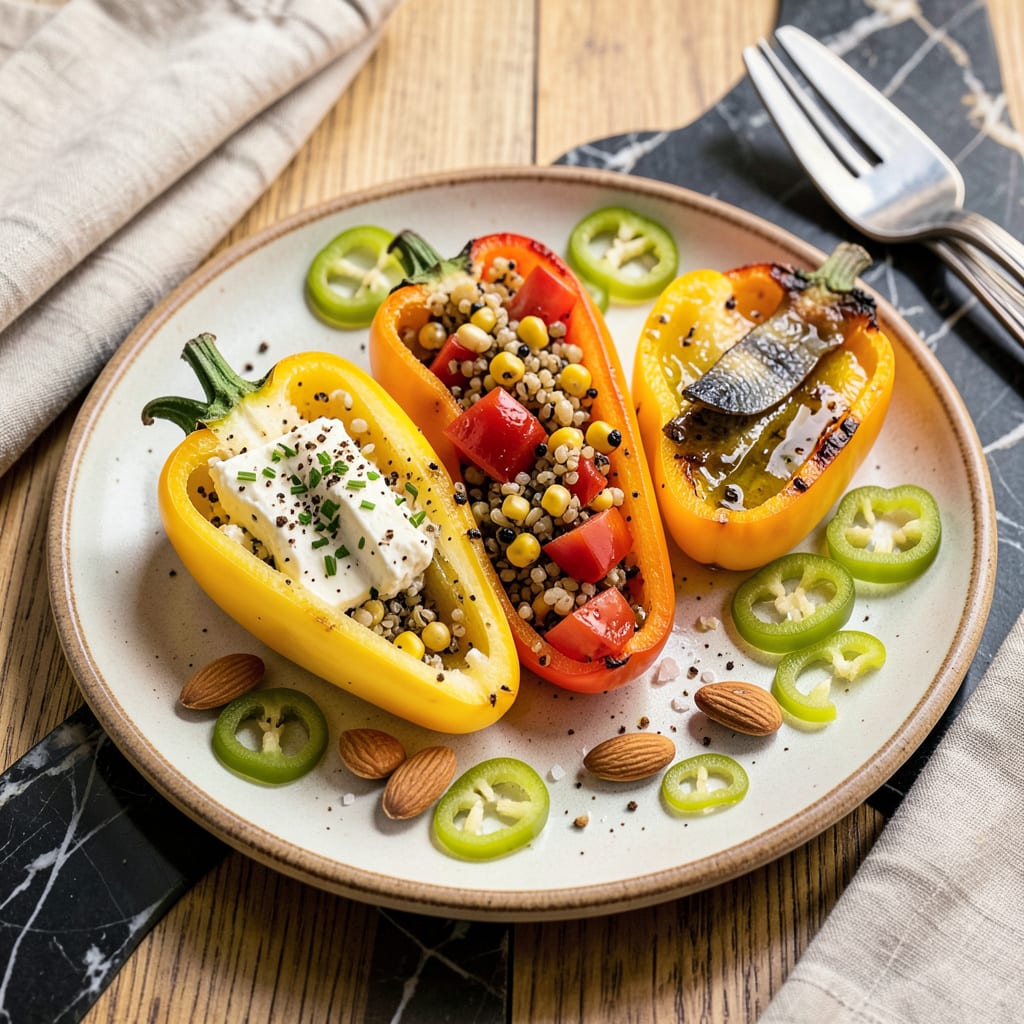
Banana peppers offer a mild, tangy-sweet flavor with minimal heat (0-500 Scoville units). Their crisp texture and bright yellow color make them versatile for pickling, salads, sandwiches, and cooked dishes where subtle spice is desired.
I love how these peppers bridge the gap between flavor and function in the kitchen. 🔥 Their gentle heat level makes them perfect for those who want a pepper’s personality without overwhelming spice, while the natural sweetness shines when paired with acidic ingredients like vinegar or citrus. What’s fascinating is how their flavor transforms when cooked—raw, they add a fresh crunch to salads, but when roasted, they develop caramelized notes that elevate everything from pasta to grilled meats.
As someone who works with peppers daily, I’ve found banana peppers particularly forgiving for home cooks. They’re less finicky than jalapeños about ripeness timing, and their thick walls hold up beautifully whether you’re stuffing them with cheese or quick-pickling for sandwich toppings. The bright yellow hue also makes them a visual standout in dishes where presentation matters as much as taste. ✨
💡 In This Article
- Scoville Scale and Flavor Complexity of Banana Peppers
- Top 5 Ways to Cook with Banana Peppers in Everyday Dishes
Scoville Scale and Flavor Complexity of Banana Peppers
The heat level in banana peppers isn’t fixed—it fluctuates based on growing conditions and maturity. When grown in hotter climates with less water, the plants produce more capsaicin (the compound responsible for heat) as a defense mechanism, potentially pushing them toward the 500 Scoville upper limit.
🔥 Conversely, peppers from cooler regions or with consistent irrigation often test closer to 0 Scoville, making them nearly as mild as bell peppers. This variability explains why two banana peppers from different sources can taste dramatically different.
What makes banana peppers unique is their flavor chemistry. While capsaicin delivers minimal heat, the pepper’s natural sugars (fructose and glucose) create a subtle sweetness that balances its tangy acidity. The walls contain volatile compounds like hexanal and (E)-2-hexenal, which contribute to their fresh, slightly grassy aroma.
When pickled, these compounds transform through fermentation—lactic acid bacteria break down sugars into milder organic acids, softening the flavor while preserving the crisp texture.
Compared to similar peppers, banana peppers occupy a distinct middle ground. Pepperoncini (100-500 Scoville) share their mild heat but lack the same sweetness, while jalapeños (2,500-8,000 Scoville) overwhelm with spice. The banana pepper’s 0.5-1mm thick flesh gives it structural integrity for stuffing or grilling, unlike thinner-walled peppers that collapse under heat.
This thickness also means they retain moisture better during cooking, preventing the rubbery texture that plagues many cooked peppers.
Ripeness dramatically alters their profile. Green banana peppers (harvested early) taste more vegetal and sharp, with 0.3% sugar content. As they mature to yellow, sugar levels climb to 1.2-1.8%, developing melon-like sweetness. Red-ripe specimens (less common commercially) can reach 2.5% sugar but lose some crispness.
This progression mirrors how their capsaicin concentration peaks at the yellow stage before declining—another reason why most commercial varieties are harvested at this point.
The pepper’s waxy cuticle (about 3-5 micrometers thick) contributes to its signature crunch. This protective layer slows moisture loss, which is why banana peppers stay firm longer than many other varieties. When pickled, this cuticle helps maintain texture even after months in brine.
The cuticle’s composition also affects how the pepper absorbs flavors—thin enough to allow marinades to penetrate, but thick enough to prevent mushiness.
For cooks, this means banana peppers can be treated like a culinary chameleon. Their neutral pH (~5.5 when fresh) makes them ideal for both acidic preparations (pickling in 5% vinegar solution) and alkaline pairings (like with feta cheese).
The pepper’s cellular structure, with large vacuoles in the flesh, creates pockets that trap dressings and seasonings, which is why they’re so effective in relishes and salsas. ✨
What most home cooks don’t realize is that the seeds and white pith contain the highest concentration of capsaicin. Removing these can reduce perceived heat by up to 40%, while leaving them intact adds a subtle kick without overwhelming.
This precision control over spice level—combined with their structural versatility—explains why professional kitchens keep banana peppers on hand for everything from garnishes to primary ingredients.

Trained in classic French technique but raised on slow-cooked ribs and spicy rubs, she blends culinary skill with smoke and soul.
- Recipe for Boneless Pork Chops in Cast Iron Skillet: Sear and Baste to Juicy Perfection - October 3, 2026
- Recipe for Boneless Cross Rib Roast: Slow-Roasted Beef with Herb Crust - October 3, 2026
- Hamburgers in Sauce Recipe Crock Pot: Slow-Cooked Savory Delight - October 3, 2026