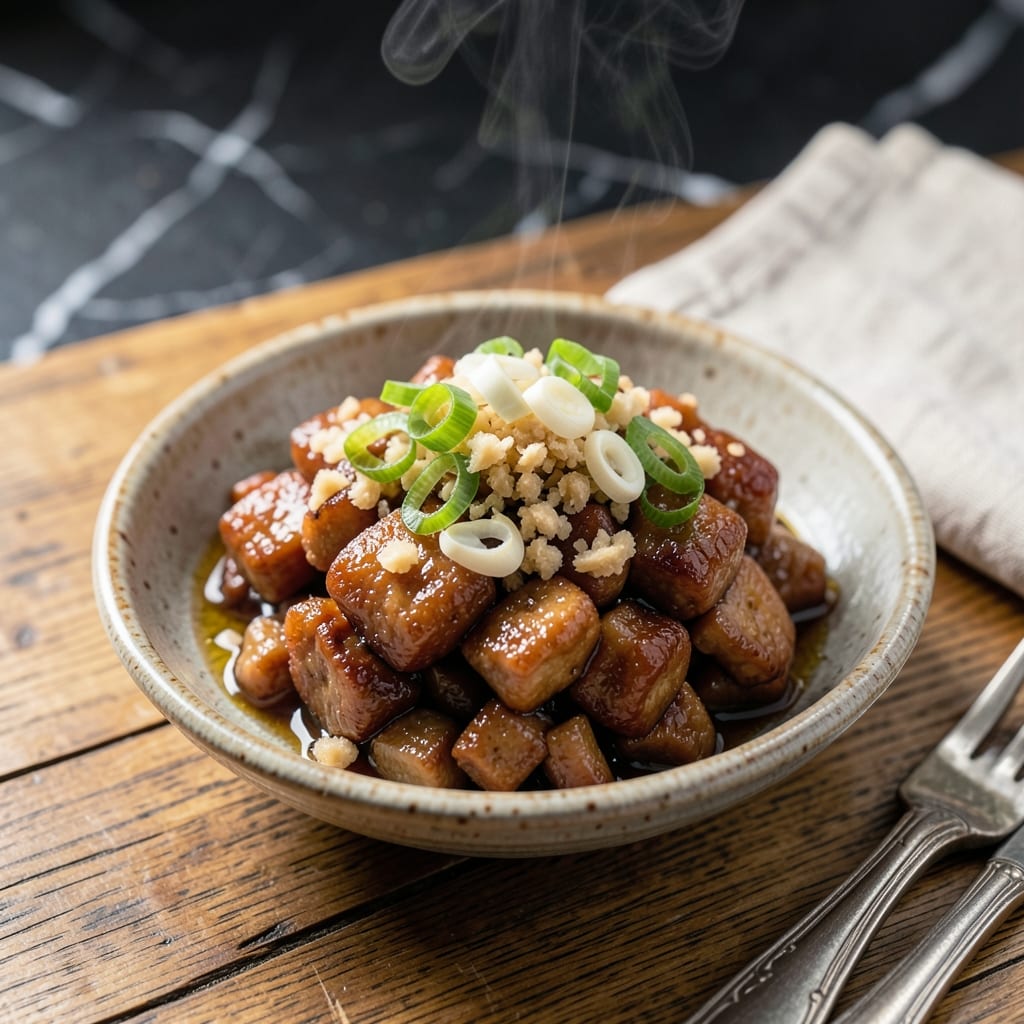
This recipe delivers the perfect balance of tender pork and aromatic spices for steamed bao filling.
Ground pork is seasoned with a precise blend of soy sauce, ginger, and garlic, creating a juicy, flavorful mixture. The filling stays moist during steaming, ensuring every bite bursts with savory depth.
What sets this version apart is the careful ratio of fat to meat, which guarantees a succulent texture without excess grease. The spices meld together during cooking, infusing each morsel with complex, traditional flavor.
The result is a filling that elevates any bao to restaurant quality. Serve in soft, pillowy buns for an authentic experience.
Ingredients for Bao Filling
Ground pork and aromatic spices create this restaurant-quality filling for steamed bao.
| Ingredient | Amount | Notes |
|---|---|---|
| Ground Pork 🐖 | 1 lb | 80% lean, 20% fat ratio |
| Soy Sauce 🥢 | 2 tbsp | Low-sodium preferred |
| Dark Soy Sauce 🥢 | 1 tbsp | For color depth |
| Fresh Ginger 🌿 | 1 tbsp | Finely minced or grated |
| Garlic Cloves 🧄 | 4 cloves | Minced finely |
| Green Onions 🧅 | 3 whole | Finely chopped, whites and greens |
| Sesame Oil 🫒 | 1 tbsp | Toasted variety for flavor |
| Shaoxing Wine 🍶 | 1 tbsp | Dry sherry substitute works |
| Sugar 🍚 | 1 tsp | White granulated |
| White Pepper 🌶️ | ½ tsp | Ground, for authenticity |
| Salt 🧂 | ½ tsp | Kosher or sea salt |
| Cornstarch 🌾 | 1 tbsp | For binding moisture |
| Water 💧 | 2 tbsp | For adjusting consistency |
[recipe_ingredient_scaler]
The pork quality is critical here. Look for 80% lean ground pork at your butcher or Whole Foods—this fat ratio ensures moisture without greasiness. Fresh ginger and garlic are non-negotiable; pre-minced versions in jars lack the punch. Green onions add brightness, so use both the whites and greens. Shaoxing wine is ideal, but dry sherry from the grocery store works in a pinch.
No Shaoxing wine? Dry sherry or mirin can substitute, though the flavor profile shifts slightly. Out of dark soy sauce? Regular soy sauce plus a pinch of brown sugar mimics the depth. Fresh ginger is best, but ground ginger at half the amount works if that’s all you have. The cornstarch keeps the filling juicy—don’t skip it, and ensure it’s fully dissolved in the water.
The filling can be prepped 1 day ahead and refrigerated—flavors deepen overnight. Cooked filling keeps for 3-4 days in the fridge or 3 months frozen. Portion into small containers for easy steaming later.
Why You’ll Love This Recipe
- Minimal Effort: I just brown the pork, toss in the sauces, and let the ginger and garlic work their magic—no fancy techniques.
- Umami Bomb: The mix of soy and dark soy sauce gives it that deep, savory richness I crave in every bite.
- Freezer Friendly: I make a double batch and freeze half for lazy nights when I want bao without the fuss.
- Budget Stretcher: Ground pork plus pantry staples means I get restaurant-quality filling for a fraction of the cost.
Step-by-Step Instructions for Steamed Pork Bao Filling
Here is the method. Precise, tested, and designed for ideal texture and flavor balance.
Step 1: Prepare the Aromatic Base
Finely mince the 1 tbsp fresh ginger and 4 cloves garlic cloves, then combine with the 3 whole green onions, finely chopped, including both whites and greens. This aromatic trio forms the flavor foundation of your filling.
In a large bowl, add the 1 lb ground pork and use your hands or a fork to break it up. The pork should be at room temperature for even mixing and optimal texture. This ensures the fat distributes properly throughout the filling.
Step 2: Build the Flavor Profile with Sauces and Seasonings
To the pork and aromatics, add the 2 tbsp soy sauce, 1 tbsp dark soy sauce, 1 tbsp sesame oil, and 1 tbsp shaoxing wine. The dark soy sauce adds depth and color, while the shaoxing wine tenderizes the meat.
Next, incorporate the 1 tsp sugar, 0.5 tsp salt, and 0.5 tsp white pepper. Mix thoroughly until the pork absorbs all the liquid and the mixture becomes sticky and uniform. The sugar balances the saltiness, and white pepper provides an authentic, subtle heat.
Step 3: Bind the Mixture for Perfect Texture
Sprinkle the 1 tbsp cornstarch evenly over the pork mixture. Cornstarch acts as a binder, helping retain moisture during steaming and giving the filling a velvety texture. Use your fingers to work it in completely.
Add the 2 tbsp water gradually, mixing as you go. The water helps activate the cornstarch and adjusts the consistency. The filling should be tacky but not wet—it should hold its shape when pressed between your fingers.
Step 4: Chill for Optimal Handling and Flavor
Cover the bowl with plastic wrap and refrigerate the mixture for at least 30 minutes. Chilling firms up the fat slightly, making it easier to shape into bao. It also allows the flavors to meld together deeply.
During this time, the cornstarch will fully hydrate, ensuring your filling stays juicy during steaming. If the mixture feels too loose after chilling, add a pinch more cornstarch, but avoid overworking it to prevent a dense texture.
Once chilled, the filling is ready to be portioned and wrapped in bao dough for steaming. Each bite should deliver a burst of savory, aromatic, and slightly sweet flavor with a tender, moist crumb.
Pro Tips For Making Bao Filling
- Cook Pork Thoroughly: I learned this the hard way—undercooked pork ruins the filling. Brown it until no pink remains, then add sauces to avoid a soggy texture.
- Grind Ginger and Garlic: Sounds weird, but it works: finely mincing ginger and garlic releases more flavor into the pork than lazy chopping does.
- Balance the Soy Sauces: Dark soy sauce adds color and depth, but too much overpowers. Stick to a 2:1 ratio of regular to dark soy for the best flavor.
- Drain Excess Fat: After browning the pork, spoon out most of the fat before adding sauces—your bao won’t turn greasy, and the filling stays juicy, not oily.
Regional Styles of This Recipe
Cantonese Char Siu
In Guangdong, the filling transforms with char siu—sweet, sticky barbecued pork. I use 1 cup of diced char siu mixed with 1 tsp hoisin sauce and 1 tsp oyster sauce for depth. The pork’s caramelized edges add texture contrast. 🗺️
Shanghai Sweet Style
Shanghai versions lean sweeter, incorporating 2 tbsp rock sugar and 1 star anise pod into the filling. I add ½ cup finely diced rehydrated shiitake mushrooms for earthy richness. The sugar creates a glossy, slightly sticky finish.
Sichuan Spicy
For heat lovers, Sichuan-style filling includes 1 tbsp chili bean paste and 1 tsp Sichuan peppercorns. I balance the spice with 1 tbsp black vinegar and double the green onions. The numbing peppercorn tingle is iconic.
Taiwanese Pork Belly
Taiwanese night markets favor diced pork belly over ground meat. I use 1 lb pork belly, par-cooked and tossed with 1 tbsp five-spice powder and 2 tbsp soy sauce. The fat renders beautifully during steaming.
Fujian Seafood
Coastal Fujian swaps pork for 1 cup minced shrimp and ½ cup diced scallops. I add 1 tbsp Shaoxing wine and 1 tsp ginger to complement the seafood. The texture is lighter but equally flavorful.
Northern Chinese
Northern versions often include ½ cup finely chopped cabbage for moisture and crunch. I mix it with 1 lb ground pork and 1 tbsp light soy sauce. The cabbage softens during steaming, adding a subtle sweetness.
Nutrition Facts
Frequently Asked Questions
Can I use ground chicken instead of pork?
Yes, but add 1 extra tbsp of oil or broth to compensate for the leanness. Ground chicken works well but may dry out more easily during steaming.
Why does the recipe call for both soy sauces?
Regular soy sauce adds saltiness while dark soy sauce provides color and depth. Using both creates a balanced, complex flavor profile typical of authentic fillings.
How do I prevent my filling from being too greasy?
Stick to 80% lean pork and avoid overmixing. The cornstarch helps absorb excess moisture, but draining any pooled liquid before steaming ensures perfect texture.
Can I make this filling ahead of time?
The flavors actually improve after 24 hours in the fridge. Store in an airtight container and use within 2 days for best results.

Trained in classic French technique but raised on slow-cooked ribs and spicy rubs, she blends culinary skill with smoke and soul.
- Recipe for Boneless Pork Chops in Cast Iron Skillet: Sear and Baste to Juicy Perfection - October 3, 2026
- Recipe for Boneless Cross Rib Roast: Slow-Roasted Beef with Herb Crust - October 3, 2026
- Hamburgers in Sauce Recipe Crock Pot: Slow-Cooked Savory Delight - October 3, 2026