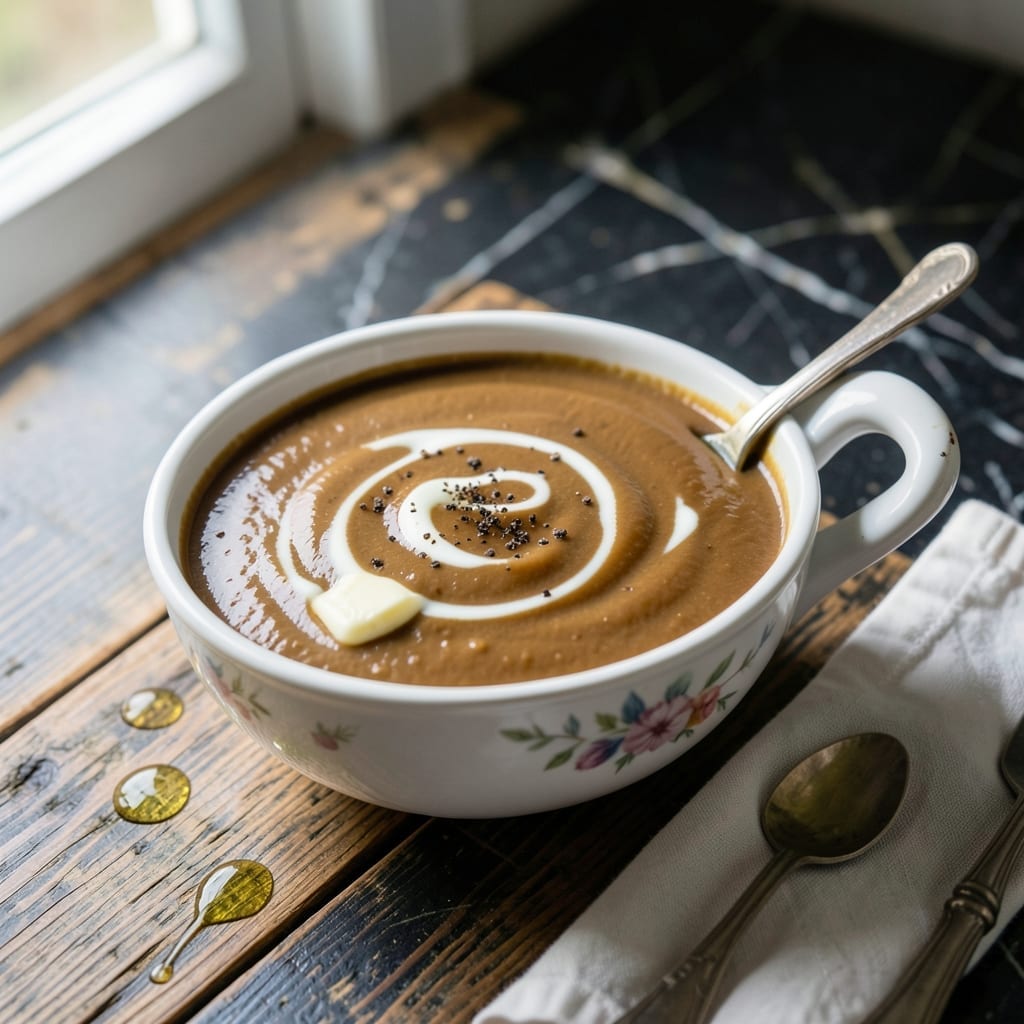
Making rich, flavorful gravy without meat drippings is simpler than you might think. This recipe relies on butter, flour, and broth to create a smooth, savory sauce from scratch.
With just a few pantry staples and 10 minutes of your time, you can achieve restaurant-quality results. The key is patience while whisking to avoid lumps.
Ingredients for Basic Gravy Recipe Without Drippings
Butter, flour, broth, and a few pantry staples make this silky sauce happen.
| Ingredient | Amount | Notes |
|---|---|---|
| Unsalted Butter 🧈 | ½ cup | For rich, silky base |
| All-Purpose Flour 🌾 | ¼ cup | Creates smooth roux |
| Vegetable Broth 🥕 | 2 cups | Low-sodium preferred |
| Whole Milk 🥛 | ½ cup | Adds creaminess |
| Salt 🧂 | ½ tsp | Adjust to taste |
| Black Pepper 🌶️ | ¼ tsp | Freshly ground preferred |
| Garlic Powder 🧄 | ¼ tsp | Enhances savory depth |
| Onion Powder 🧅 | ¼ tsp | Balances flavor profile |
[recipe_ingredient_scaler]
The butter is doing most of the heavy lifting here—use unsalted so you control the seasoning. I grab mine from Whole Foods or any supermarket, but European-style (like Plugrá) has a richer flavor if you want to splurge. The flour just needs to be all-purpose—nothing fancy. For the broth, Better Than Bouillon paste (vegetable base) is my go-to for depth without the salt bomb.
No milk? Half-and-half or cream makes it even richer (use less broth to compensate). Swap vegetable broth for mushroom broth for deeper umami. If you’re out of garlic powder, fresh minced garlic works—sauté it in the butter first. The onion powder can be skipped if you’re in a pinch, but it adds a nice roundness.
This keeps 4-5 days in the fridge—reheat gently with a splash of broth. Freeze for up to 3 months (it may separate, but a quick whisk brings it back). I always make a double batch since it’s just as easy.
Why You’ll Love This Recipe
- No-Fuss Mixing: I just melt butter, whisk in flour, then slowly add broth and milk—no drippings needed, no stress.
- Rich & Creamy: The butter and whole milk give it this velvety texture that’s way better than packet gravy.
- Meals on Demand: I pour it over mashed potatoes, roast chicken, or even biscuits—works every time.
- Pantry Staples: Honestly, I always have these ingredients on hand, so it’s my last-minute dinner savior.
Step-by-Step Instructions for Basic Gravy Without Drippings
This method guarantees smooth, flavorful gravy with no lumps or guesswork involved.
Step 1: Make a Smooth Roux Base
Melt the 0.5 cup unsalted butter in a medium saucepan over medium heat. I always use unsalted butter here so I can control the saltiness of the final gravy. Watch for the butter to foam but not brown—this takes about 2-3 minutes.
Once melted, whisk in the 0.25 cup all-purpose flour all at once. Keep whisking constantly for 2-3 minutes until the mixture turns a light golden color and smells slightly nutty. This is your roux, and it’s the foundation for thick, velvety gravy. Don’t let it darken too much or your gravy will taste burnt.
Step 2: Gradually Add Warm Broth
While continuing to whisk, slowly pour in the 2 cups vegetable broth about ¼ cup at a time. This gradual addition prevents lumps from forming. I recommend using warm broth (not cold) to help the roux incorporate smoothly.
After each addition, wait until the mixture is smooth before adding more. The gravy will start out very thick but will thin as you add more liquid. Once all the broth is incorporated, let it simmer for 1-2 minutes until it just begins to thicken. You’ll notice it coating the back of a spoon.
Step 3: Incorporate Milk for Creaminess
Pour in the 0.5 cup whole milk while whisking. The milk adds a beautiful creamy texture to your gravy. Continue whisking until fully combined and smooth. Let it simmer for another 2-3 minutes until it reaches your desired consistency.
If it’s too thick, you can thin it with a splash more broth. If it’s too thin, let it simmer a bit longer—it will thicken as it cools. The gravy should pour easily but still coat the back of a spoon with a light film.
Step 4: Season and Finish
Stir in the 0.5 tsp salt, 0.25 tsp black pepper, 0.25 tsp garlic powder, and 0.25 tsp onion powder. These seasonings add depth without overpowering. Taste and adjust the salt if needed, especially if you used regular broth instead of low-sodium.
Let the gravy simmer for a final 2 minutes to allow the flavors to meld together. Remove from heat and serve immediately while hot. The gravy will continue to thicken slightly as it cools, so if you’re making it ahead, you might need to thin it with a little warm broth before serving.
Pro Tips For Making Basic Gravy Recipe Without Drippings
- Cook the Roux Longer: I learned this the hard way—cook your butter and flour mixture until it turns a light golden brown, about 3-4 minutes. It removes the raw flour taste and gives the gravy a richer depth.
- Warm Your Liquid: Always heat your vegetable broth and milk before adding to the roux. Cold liquid seizes up the flour and creates lumps—ask me how I know.
- Skip the Boiling: Resist the urge to crank the heat after combining everything. A gentle simmer thickens it perfectly without breaking the gravy or scorching the bottom.
- Use Whole Milk: Sounds weird, but it works: whole milk adds just enough fat to make the gravy velvety. Skim or 2% just doesn’t give the same body.
Health Benefits of These Flavors
Protein Power 💪
A basic gravy recipe without drippings often uses a broth or stock base, which can provide a boost of protein. This nutrient is essential for muscle repair, immune function, and overall health. Whether you use chicken, beef, or vegetable broth, you’re adding a savory way to meet your daily protein needs.
Rich in Vitamins and Minerals 🥕
Homemade gravy can be a surprising source of vitamins and minerals. Broths often contain iron, zinc, and B vitamins, especially if made from meat. Even vegetable-based gravies can deliver vitamin A, C, and potassium from ingredients like onions, garlic, and herbs. These nutrients support energy levels and a strong immune system.
Supports Hydration 💧
Gravy is primarily liquid, making it a tasty way to stay hydrated. The sodium and electrolytes in broth-based gravies can help maintain fluid balance, especially after a hearty meal. Just be mindful of salt content if you’re watching your intake.
Low-Calorie Flavor Enhancer 📊
When made with minimal fat, gravy can be a low-calorie way to add depth to dishes. A small serving packs big flavor without excessive calories, making it a smart choice for those managing their weight. Plus, it encourages mindful eating by enhancing satisfaction with every bite.
Nutrition Facts

Trained in classic French technique but raised on slow-cooked ribs and spicy rubs, she blends culinary skill with smoke and soul.
- Recipe for Boneless Pork Chops in Cast Iron Skillet: Sear and Baste to Juicy Perfection - October 3, 2026
- Recipe for Boneless Cross Rib Roast: Slow-Roasted Beef with Herb Crust - October 3, 2026
- Hamburgers in Sauce Recipe Crock Pot: Slow-Cooked Savory Delight - October 3, 2026