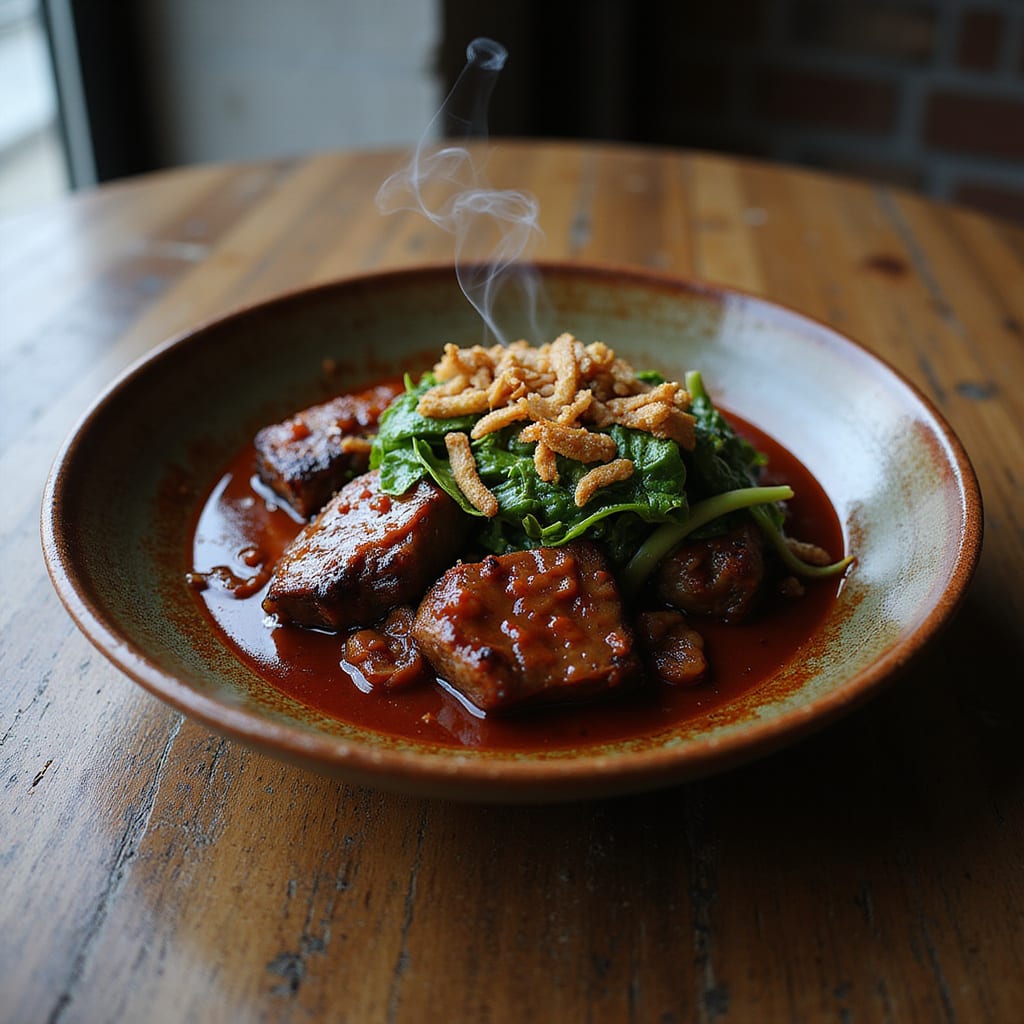
I’ve spent years perfecting my BBQ beef cheeks recipe, and the result is fall-apart tender meat that’s worth the 8-hour wait. Smoked to perfection, these beef cheeks are infused with deep, rich flavors that will elevate your next backyard cookout.
Using a combination of low and slow cooking with premium hardwood smoke, we achieve that perfect tender texture while maintaining robust beef flavor. Let’s get started on this mouth-watering recipe that’s sure to impress your guests.
Ingredients for Bbq Beef Cheeks Recipe Smoked
These 12 ingredients come together to create tender, smoky BBQ beef cheeks.
| Ingredient | Amount | Notes |
|---|---|---|
| Beef Cheeks 🥩 | 2 lb | Trimmed of excess fat |
| Kosher Salt 🧂 | 2 tbsp | Coarse grind preferred |
| Black Pepper 🌶️ | 1 tbsp | Freshly ground |
| Paprika 🌿 | 2 tsp | Smoked or sweet variety |
| Garlic Powder 🧄 | 1 tsp | Not garlic salt |
| Onion Powder 🧅 | 1 tsp | Use onion powder, not fresh onion |
| Brown Sugar 🍮 | 1 tbsp | Dark brown preferred |
| Apple Cider Vinegar 🍎 | ¼ cup | For braising liquid |
| Beef Broth 🍜 | 2 cups | Low-sodium preferred |
| Worcestershire Sauce 💧 | 2 tbsp | Adds depth of flavor |
| Liquid Smoke 🔥 | 1 tbsp | Optional, for extra smokiness |
| Olive Oil 🫒 | 2 tbsp | For searing beef cheeks |
[recipe_ingredient_scaler]
Beef cheeks are the star—look for 2-2.5 pounds total weight at your butcher or Costco. Trim any excess fat before cooking. For the best results, use a low and slow cooking method to achieve that fall-apart texture. The key to tender beef cheeks is cooking them at a low temperature for a long period.
No beef broth? Use beef stock or a mix of red wine and water. For an extra smoky flavor, add 1-2 tablespoons of liquid smoke. If you prefer a spicier kick, add 1-2 teaspoons of chili flakes or your favorite hot sauce. You can also substitute apple cider vinegar with red wine vinegar if you prefer.
This recipe reheats beautifully—store leftovers in an airtight container in the fridge for up to 4-5 days. You can also freeze portions for up to 3 months. Reheat slowly over low heat, adding a splash of beef broth if needed to maintain moisture.
Step-by-Step Instructions for BBQ Beef Cheeks Recipe Smoked
Follow these steps to achieve fall-apart tender beef cheeks with a rich, smoky flavor.
Step 1: Prepare the Spice Rub and Season the Beef Cheeks
Start by mixing together the 2 tbsp Kosher Salt, 1 tbsp Black Pepper, 2 tsp Paprika, 1 tsp Garlic Powder, 1 tsp Onion Powder, and 1 tbsp Brown Sugar in a small bowl. I like to use my fingers to ensure everything is evenly distributed. Generously coat the 2 lb Beef Cheeks with this spice rub, making sure to cover all surfaces evenly. Let them sit at room temperature for 30 minutes to allow the seasonings to penetrate the meat.
While the beef cheeks are resting, preheat your smoker to 225-250°F using your preferred type of wood. I find that a combination of oak and hickory gives the best results for this recipe.
Step 2: Sear the Beef Cheeks
Heat the 2 tbsp Olive Oil in a large skillet over high heat until it just starts to smoke. Sear the seasoned beef cheeks for 2-3 minutes per side until they develop a nice brown crust. This step is crucial for creating that rich, caramelized flavor on the outside. Once seared, transfer the beef cheeks to a plate and set them aside.
The skillet will have some stuck-on bits—don’t clean it yet! Those browned bits will add depth to your braising liquid. Just leave it on the stovetop for now.
Step 3: Prepare the Braising Liquid and Slow Cook
Deglaze the skillet used for searing by adding the 0.25 cup Apple Cider Vinegar and scraping up all the browned bits with a wooden spoon. Pour in the 2 cups Beef Broth, 2 tbsp Worcestershire Sauce, and 1 tbsp Liquid Smoke. Bring this mixture to a simmer and let it cook for 2-3 minutes until it’s slightly reduced.
Place the seared beef cheeks in a large Dutch oven or a heavy-duty foil pan. Pour the prepared braising liquid over them, making sure they’re mostly submerged. If necessary, add a bit more beef broth to cover. Cover the pan tightly with foil or a lid.
Step 4: Smoke Until Tender
Transfer the covered pan to your preheated smoker. Smoke for 8 hours until the beef cheeks are fork-tender. The meat should literally fall apart when you pierce it with a fork. Check the temperature periodically to maintain a consistent 225-250°F.
After 8 hours, remove the pan from the smoker and let it rest for 15 minutes before serving. The resting period allows the juices to redistribute, making the meat even more tender and flavorful.
Step 5: Serve
Using two forks, gently shred the beef cheeks into bite-sized pieces. Strain the braising liquid through a fine-mesh sieve into a clean bowl, discarding the solids. Skim off any excess fat from the surface. Serve the shredded beef cheeks with the strained braising liquid spooned over the top. This dish pairs beautifully with crusty bread or over mashed potatoes.
Enjoy your tender, smoky BBQ beef cheeks!
Common Mistakes When Making This Dish
Temperature Control Mistakes
One of the most common mistakes when smoking beef cheeks is failing to maintain consistent temperature control. I always emphasize keeping your smoker between 225-250°F throughout the entire cooking process. Fluctuations can lead to uneven cooking and potentially tough meat. 🔥
Overcooking or Undercooking
Cooking beef cheeks requires patience, but it’s easy to overcook or undercook them. The key is reaching that perfect fork-tender stage after about 8 hours of smoking. Check for tenderness regularly starting at the 7-hour mark to avoid overcooking. Letting it rest properly after cooking helps redistribute the juices.
Poor Braising Liquid Preparation
The braising liquid is crucial for adding flavor and moisture. A common mistake is not properly deglazing the pan after searing the beef cheeks.
Insufficient Resting Time
After that long smoke, it’s tempting to dive right in, but resist the urge. Letting the beef cheeks rest for at least 15 minutes after cooking allows the juices to redistribute, making the meat even more tender and flavorful. I learned this the hard way at my first BBQ competition.
Wrong Wood Choice
Choosing the right wood for smoking can make or break your dish. For beef cheeks, I recommend a combination of oak and hickory for that perfect balance of smokiness and complexity. Avoid using softwoods like pine, as they can impart unpleasant flavors. Experiment with different wood combinations to find your favorite.
Skipping the Searing Step
Searing the beef cheeks before smoking creates that essential Maillard reaction, adding depth and complexity to the final dish. Don’t skip this step! Use high heat and olive oil to get that perfect crust. It’s worth the extra effort for the flavor it develops.
Nutrition Facts

Trained in classic French technique but raised on slow-cooked ribs and spicy rubs, she blends culinary skill with smoke and soul.
- Recipe for Boneless Pork Chops in Cast Iron Skillet: Sear and Baste to Juicy Perfection - October 3, 2026
- Recipe for Boneless Cross Rib Roast: Slow-Roasted Beef with Herb Crust - October 3, 2026
- Hamburgers in Sauce Recipe Crock Pot: Slow-Cooked Savory Delight - October 3, 2026