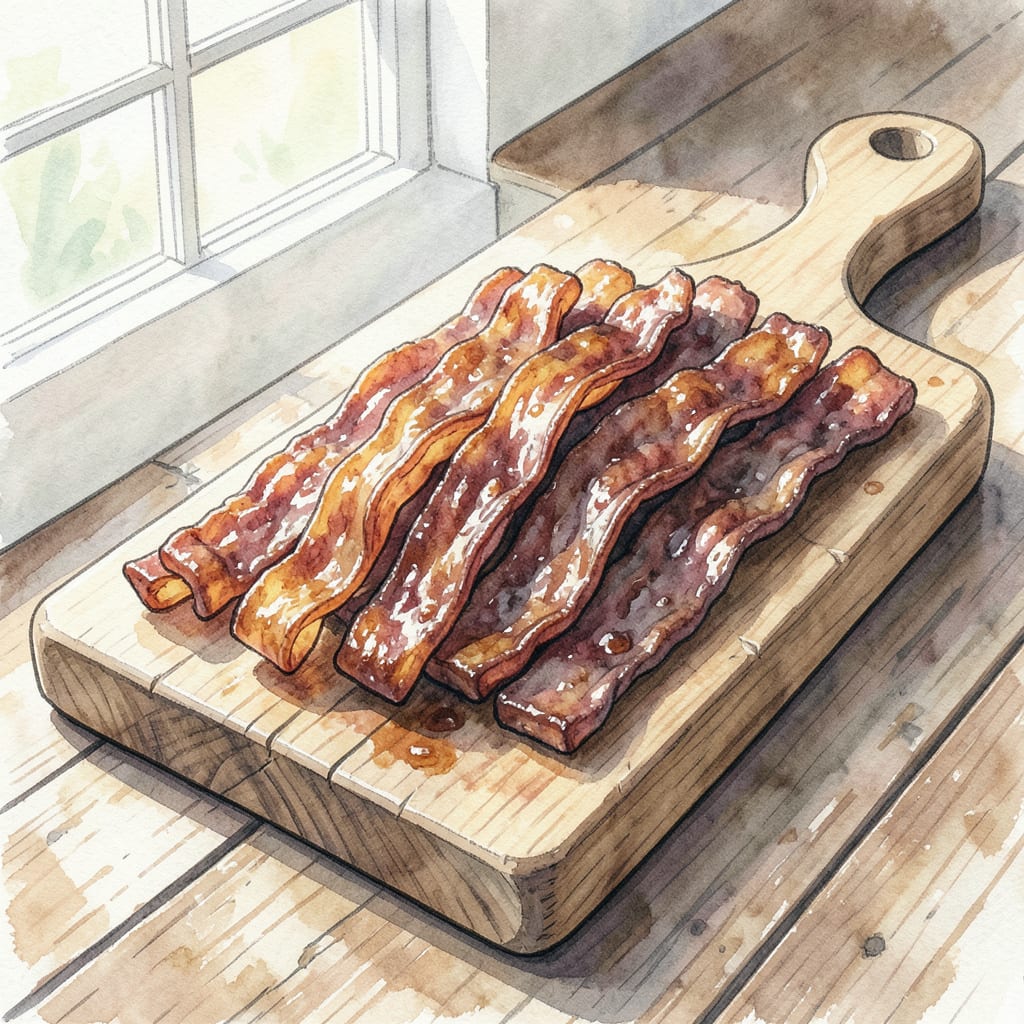
I’ve perfected a tender BBQ beef jerky recipe that cooks to smoky perfection in just 3 hours using your oven. This method eliminates the need for special dehydrating equipment, making it accessible to anyone. 🔥
The secret lies in a careful balance of marinating and drying. By using a combination of low heat and precise timing, we achieve that perfect chewy texture without sacrificing flavor. Let’s get started with this straightforward recipe.
Ingredients for Bbq Beef Jerky Recipe Oven
These basic ingredients come together to create tender, smoky BBQ beef jerky in your oven.
| Ingredient | Amount | Notes |
|---|---|---|
| Top Round Steak 🥩 | 1 lb | Lean cut, sliced thin |
| Soy Sauce 💧 | ½ cup | Low-sodium preferred |
| Brown Sugar 🍮 | ¼ cup | Packed, not loose |
| Worcestershire Sauce 💧 | 2 tbsp | Anchovy-free version |
| Smoked Paprika 🌶️ | 1 tbsp | For smoky flavor |
| Garlic Powder 🧄 | 1 tsp | Not garlic salt |
| Onion Powder 🧅 | 1 tsp | Dehydrated onion flavor |
| Black Pepper 🌶️ | ½ tsp | Freshly ground preferred |
| Cayenne Pepper 🔥 | ¼ tsp | Adjust for heat preference |
| Liquid Smoke 💧 | 1 tbsp | Optional, for extra smokiness |
| Olive Oil 🫒 | 2 tbsp | For coating meat |
[recipe_ingredient_scaler]
For the best results, choose a lean cut of beef like top round or eye of round. Sirloin works too if that’s what you have on hand. Look for consistent thickness when slicing—helps with even drying. Most grocery stores carry top round, or you can ask your butcher to slice it thin for you.
No liquid smoke? Smoked paprika gives a similar effect. Want more heat? Double the cayenne or add red pepper flakes. For a different flavor profile, try using different types of vinegar like apple cider or balsamic in place of some of the soy sauce. The Worcestershire sauce adds depth—use an anchovy-free version if needed.
Store jerky in an airtight container for up to 2 weeks. For longer storage, freeze portions for up to 3 months. The marinade keeps for 1 week in the fridge—great for prepping in advance.
Step-by-Step Instructions for BBQ Beef Jerky in the Oven
Follow these precise steps to achieve tender, smoky beef jerky using your oven.
👨🍳 Step 1: Prepare the Marinade
In a large bowl, whisk together the 0.5 cup Soy Sauce, 0.25 cup Brown Sugar, 2 tbsp Worcestershire Sauce, 1 tbsp Smoked Paprika, 1 tsp Garlic Powder, 1 tsp Onion Powder, 0.5 tsp Black Pepper, and 0.25 tsp Cayenne Pepper. I like to use a fork to ensure the brown sugar dissolves completely into the marinade.
The mixture should be smooth and well combined. If you’re using the 1 tbsp Liquid Smoke, add it now and whisk again. The marinade should have a deep, rich color and a savory aroma. Set it aside for now.
🔪 Step 2: Slice the Beef
Take the 1 lb Top Round Steak and slice it into thin strips, about ¼ inch thick. I find it easier to slice against the grain for more tender jerky. Make sure the slices are as uniform as possible so they dry evenly.
If you find that your knife is struggling to cut through the meat, pop it in the freezer for 30 minutes to firm it up. This makes slicing much easier and more precise.
🥘 Step 3: Marinate the Beef
Add the sliced beef to the marinade bowl and toss to coat every piece evenly. I use my hands (with gloves) to massage the marinade into the meat, ensuring it’s fully coated. Cover the bowl with plastic wrap.
Refrigerate for at least 2 hours or overnight (up to 8 hours). The longer it marinates, the more intense the flavor will be. You’ll notice the meat absorbing the marinade and becoming more pliable.
🔥 Step 4: Dry the Jerky in the Oven
Preheat your oven to its lowest temperature setting (usually around 150-200°F). Line two baking sheets with parchment paper or silicone mats. Remove the beef from the marinade, letting any excess drip off.
Arrange the strips on the prepared baking sheets in a single layer, making sure they don’t touch. Brush both sides lightly with 2 tbsp Olive Oil to help create a better texture. Place the baking sheets in the oven.
For the first 2 hours, keep the oven door slightly ajar (about 1 inch) to allow moisture to escape. After 2 hours, check the jerky. It should be dry on the surface but still slightly flexible. If it’s not ready, continue drying in 30-minute increments until it reaches your desired level of dryness.
⏰ Step 5: Cool and Store
Once the jerky is done, remove it from the oven and let it cool completely on wire racks. I like to let it sit for at least 1 hour before storing. This resting period allows the jerky to become even more tender and flavorful.
Store the cooled jerky in an airtight container. It should keep for up to 2 weeks at room temperature or longer in the refrigerator. The jerky will continue to dry out a bit more as it stores, so if you prefer it chewier, consume it within the first few days.
Storing and Reheating Leftovers
Storage Essentials
After your jerky has cooled completely, store it in an airtight container to maintain freshness. I prefer using glass jars with tight-fitting lids or vacuum-sealed bags for long-term storage.
Refrigeration Tips
For maximum freshness, store your jerky in the refrigerator. The cooler temperature helps preserve the texture and flavor. When stored properly, your jerky can last up to 6 weeks in the fridge. Just be sure to keep it away from strong-smelling foods, as jerky can absorb odors easily.
Freezing for Longevity
If you want to keep your jerky for longer than a few weeks, freezing is an excellent option. Simply portion the jerky into airtight freezer bags or vacuum-sealed containers, removing as much air as possible before sealing. Frozen jerky can last up to 3 months. When you’re ready to enjoy it, simply thaw it at room temperature or in the refrigerator.
Reheating Techniques
While beef jerky is typically enjoyed at room temperature, you can gently reheat it if you prefer a warmer snack. To do this, place the jerky on a baking sheet and warm it in a 200°F oven for about 5 minutes. Be cautious not to overheat, as this can make the jerky tough.
Maintaining Texture
To keep your jerky chewy, avoid exposing it to moisture or high humidity. If you live in a humid climate, consider adding a silica gel packet to your storage container to absorb any excess moisture. This helps maintain the jerky’s texture and prevents it from becoming stale or chewy.
Checking Freshness
Always check your jerky for freshness before consuming, especially if it’s been stored for a while. Look for any signs of mold, off smells, or unusual textures. If in doubt, it’s better to err on the side of caution and discard the jerky. Fresh jerky should have a pleasant, savory aroma and a tender, chewy texture.
Nutrition Facts

Trained in classic French technique but raised on slow-cooked ribs and spicy rubs, she blends culinary skill with smoke and soul.
- Recipe for Boneless Pork Chops in Cast Iron Skillet: Sear and Baste to Juicy Perfection - October 3, 2026
- Recipe for Boneless Cross Rib Roast: Slow-Roasted Beef with Herb Crust - October 3, 2026
- Hamburgers in Sauce Recipe Crock Pot: Slow-Cooked Savory Delight - October 3, 2026