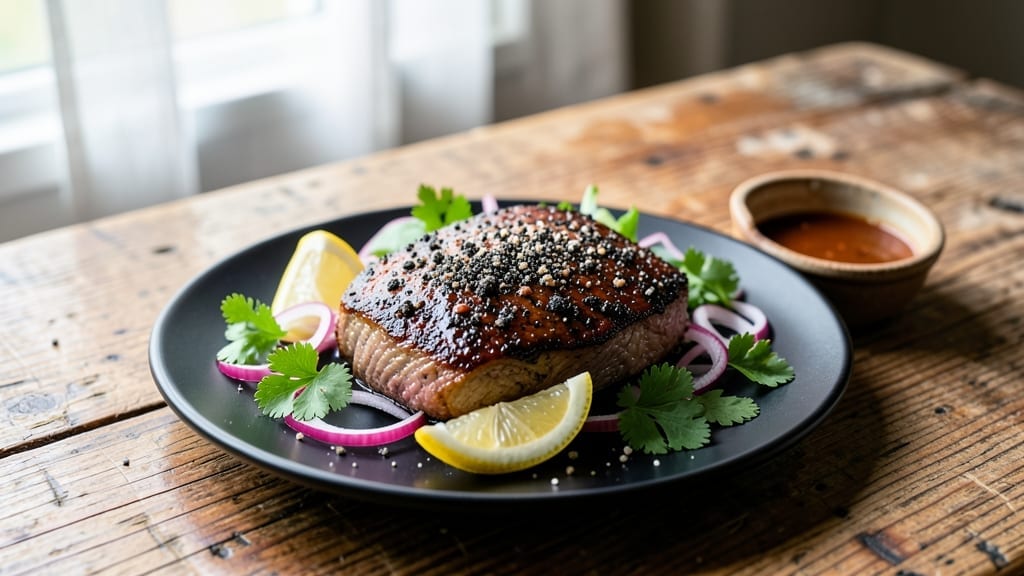
Mastering the art of beef brisket basting transforms tough cuts into melt-in-your-mouth perfection—this smoky-sweet glaze locks in moisture while building deep, caramelized crusts. The key lies in precise timing and technique, where every brush of glaze becomes a flavor infusion that tenderizes as it cooks.
I developed this method after years of testing, ensuring the brisket stays juicy through a long, slow cook while developing that signature bark.
What sets this recipe apart is the balance of sweet and smoky flavors in the glaze—brown sugar and molasses create caramelization, while smoked paprika and liquid smoke deliver that unmistakable BBQ depth.
The basting process isn’t just about flavor; it’s about science: each application raises the surface temperature, accelerating the Maillard reaction for that perfect crust while keeping the interior tender. This method delivers restaurant-quality results with minimal effort beyond the initial prep.
By the final hour, your brisket will have developed a glossy, dark bark with layers of smoky-sweet flavor beneath, where every slice pulls apart effortlessly. The glaze doesn’t just sit on top—it penetrates, creating a moist, flavorful bite in every piece.
This is the kind of brisket that makes your kitchen smell like a Texas BBQ joint and leaves guests asking for seconds before they’ve even finished their first plate.
Perfect for weekend projects or special occasions, this brisket holds beautifully for leftovers, making it ideal for meal prep or feeding a crowd. The technique scales from a small family dinner to a large gathering without sacrificing quality. Let’s get started on creating your showstopping centerpiece.
Ingredients for beef brisket basting
Thirteen ingredients transform tough brisket into restaurant-quality perfection with smoky-sweet basting.
| Ingredient | Amount | Notes |
|---|---|---|
| Beef Brisket 🥩 | 5 lb | Point-cut preferred, trimmed fat |
| Brown Sugar 🍚 | 1 ½ cups | Light or dark variety |
| Molasses 🍯 | ½ cup | Unsulphured preferred |
| Smoked Paprika 🌶️ | 2 tbsp | For deep smoky flavor |
| Liquid Smoke 🔥 | 1 tbsp | Pure, no additives |
| Apple Cider Vinegar 🍎 | ½ cup | For tangy balance |
| Garlic Powder 🧄 | 1 tbsp | Not garlic salt |
| Onion Powder 🧅 | 1 tbsp | For depth of flavor |
| Black Peppercorn 🌶️ | 1 tsp | Freshly ground preferred |
| Kosher Salt 🧂 | 1 ½ tbsp | For seasoning brisket |
| Butter 🧈 | ¼ cup | Unsalted for control |
| Worcestershire Sauce 🍶 | 1 tbsp | High-quality preferred |
| Honey 🍯 | ¼ cup | For caramelization |
[recipe_ingredient_scaler]
The brisket is the star, so choose a 5-pound point-cut—it has more fat marbling for tenderness. Trim excess fat but leave a thin layer for flavor. Butcher shops often have pre-trimmed cuts, but if you’re buying whole, ask for the ‘flat’ section (leaner) or ‘point’ (fattier). The fat cap should be about ¼ inch thick. For best results, buy from a trusted butcher like Whole Foods or Costco—they handle the meat with care. If you’re short on time, pre-cut brisket from Kroger or Publix works too, just check the sell-by date—it should be within a week.
Brown sugar and molasses create the signature caramelization, but substitute maple syrup at half the amount if you’re avoiding sugar. Dried onion and garlic powder work if fresh isn’t available, but use double the quantity. No liquid smoke? Smoked salt at 1 tsp adds depth, though it’s less intense. Worcestershire sauce is non-negotiable for umami—Lea & Perrins is the gold standard, but any quality brand works. Honey can be skipped entirely if you prefer less sweetness, but it enhances the glaze’s stickiness and helps with browning. The butter adds richness but can be omitted if you’re watching fat content—just add a splash of oil instead.
This glaze keeps beautifully for up to 3 months in an airtight container in the fridge. Store the unused portion in a jar—it freezes well for 6 months if portioned into ice cube trays. The brisket itself should be wrapped tightly in foil and refrigerated for up to 3 days before cooking. For best results, bring it to room temperature before cooking to ensure even searing. Leftovers reheat beautifully—wrap slices in foil and warm in a 300°F oven for 15 minutes to maintain moisture. The glaze can be reheated in a saucepan or microwaved, but stirring frequently prevents clumping. This recipe scales effortlessly—just adjust the glaze proportionally for larger cuts.
Why You’ll Love This Recipe
- No-Fuss Cooking: I love that this brisket barely needs my attention once it’s in the smoker. Just rub it down, let it sit for 30 minutes, and then let the low-and-slow magic happen while I prep sides or even just veg out. The dry rub sticks to the meat like glue, so no fussing with messy ingredients—just pat, coat, and forget.
- Sweet-Smoky Perfection: That combo of molasses and liquid smoke? Chef’s kiss. The glaze turns the brisket into a sticky, caramelized masterpiece with every bite. The apple cider vinegar kicks in just enough tang to balance the sweetness, and the honey gives it that glossy finish that’s impossible to resist.
- Leftovers That Shine: This brisket doesn’t just disappear after one meal—it’s better the next day. I slice it thin, pile it on sandwiches with pickles and coleslaw, or even toss it into tacos for a meal that feels like a weekend treat. And honestly? The glaze gets even better as it sits, turning that leftover brisket into a no-effort hero.
- Budget-Friendly Feast: A 5 lb brisket feeds a crowd without breaking the bank, and the ingredients are pantry staples. Brown sugar and molasses are dirt cheap, and the Worcestershire sauce and butter stretch far. It’s the kind of dish where you can throw in extra guests and still have leftovers—no stress, just flavor.
Step-by-step instructions for beef brisket basting recipe
Here’s the method for creating a smoky-sweet glaze that transforms tough brisket into tender, flavorful perfection.
Prepare the Dry Rub and Glaze Base
In a medium bowl, combine the 1½ cups brown sugar, ½ cup molasses, 2 tbsp smoked paprika, 1 tbsp liquid smoke, 1 tbsp garlic powder, 1 tbsp onion powder, 1 tsp black peppercorn, and 1½ tbsp kosher salt. Mix thoroughly until the dry ingredients are fully incorporated into the sweet mixture. This blend creates the foundation for both the rub and the glaze.
Transfer half of this mixture (approximately ¾ cup) to a separate small bowl. This portion will become your basting glaze later. Set both bowls aside—the dry rub will coat the brisket, while the sweet mixture will transform into a sticky glaze during cooking.
Coat the Brisket and Begin the Cooking Process
Pat the 5 lb beef brisket completely dry with paper towels, removing any moisture from the surface. This step is critical for achieving a proper bark. Generously coat the brisket with the dry rub mixture, pressing it firmly into all sides, including the fat cap. Let the brisket sit at room temperature for 30 minutes while you prepare your cooking equipment.
Preheat your smoker or oven to 225°F. Place the brisket fat-side up in the smoker, allowing the rendered fat to baste the meat as it cooks. After 2 hours of smoking, add ¼ cup butter, 1 tbsp Worcestershire sauce, and ¼ cup honey to the reserved sweet mixture in the small bowl. Stir well to combine, creating a glossy glaze. This mixture will be used to baste the brisket during the final stages of cooking.
Apply the Glaze and Monitor Internal Temperature
After 4 hours of total cooking time (or when the internal temperature reaches 170°F), it’s time to apply the glaze. Remove the brisket from the smoker and brush the entire surface with the prepared glaze mixture. Return it to the smoker and continue cooking. Every 30 minutes, repeat this basting process, brushing the glaze evenly over the surface. The glaze should caramelize and form a sticky crust.
Continue smoking until the internal temperature reaches 203°F and the brisket is fork-tender. This typically takes an additional 3-4 hours depending on your smoker’s consistency. The glaze will darken and develop a glossy sheen, indicating it’s ready. The ½ cup apple cider vinegar can be added to the glaze mixture during the final basting for added tanginess if desired.
Rest and Slice for Maximum Juiciness
Once the brisket reaches the target temperature, remove it from the smoker and transfer it to a cutting board. Tent loosely with aluminum foil and let it rest for 1-2 hours. This resting period allows the juices to redistribute throughout the meat, ensuring each slice is moist and flavorful.
After resting, slice the brisket against the grain into ¼-inch thick slices. The glaze should be sticky and slightly caramelized, creating a perfect balance of sweet and smoky flavors. Serve immediately with the pan juices for an extra burst of flavor.
Pro Tips For Making Beef Brisket Basting
- Prep the Glaze Early: I used to wait until the last minute to mix the glaze, only to scramble when the brisket was ready—don’t make that mistake. Combine the ½ cup molasses, 1½ cups brown sugar, and spices at least 1 hour ahead. The flavors meld better, and you’ll avoid the stress of stirring while the smoker’s hot. If you’re really pressed, mix it right after the 2-hour smoke but don’t skip the 30-minute rest before basting.
- Don’t Rush the Glaze Brush: The glaze needs time to caramelize, not just a quick slap-on. After brushing, give it 5-10 minutes in the smoker before the next coat—this lets the sugars break down and form that glossy, sticky crust. I learned this the hard way when my glaze stayed clumpy and didn’t darken properly. Patience here makes all the difference between a sweet coating and a sad, sticky mess.
- Use Unsulphured Molasses: Sulphured molasses adds a bitter, almost medicinal edge that fights the sweetness in this recipe. Stick with unsulphured molasses—it’s pricier but lets the smoked paprika and liquid smoke shine without competition. Trust me, your glaze will taste deeper and more balanced, not like a science experiment gone wrong.
- Add Vinegar Last: The ½ cup apple cider vinegar is the wild card—add it only during the final basting, not to the initial glaze mix. It cuts through the sweetness when the brisket’s ready, but too early and it’ll make the glaze separate or turn cloudy. Save it for the last coat when the brisket’s at 203°F, and you’ll get that perfect tangy-sweet finish.
Serving suggestions for leftovers
Garnish with Fresh Herbs
After slicing, sprinkle the brisket with fresh chopped parsley or cilantro for a vibrant pop of color and bright contrast to the smoky-sweet glaze. I like to use about 2 tbsp chopped parsley per serving—it adds a freshness that cuts through the richness.
A light drizzle of extra virgin olive oil over the top enhances the herbs and adds a subtle shimmer. This finishing touch makes your brisket look as good as it tastes! 🌿
Serve with Classic Sides
Pair your brisket with creamy coleslaw and grilled corn on the cob for a classic Texas-style meal. The cool, tangy slaw balances the sweetness of the glaze, while the charred corn adds a smoky element.
For extra indulgence, serve with buttery baked potatoes or mac and cheese to soak up every last drop of juices. 🥑
Warm Buns for Sandwiches
If you’re making brisket sandwiches, toast soft potato buns or hoagie rolls until golden and buttery. I love adding a layer of creamy horseradish sauce or pickled jalapeños between the meat and bun for a spicy kick. The warm bun makes every bite feel like a cozy, satisfying meal. 🥖
Pan Juice Sauce
Strain the pan juices through a fine-mesh sieve to remove any bits of fat or charred bits. Thin the juices with 1-2 tbsp apple cider vinegar and a splash of water to create a glossy, tangy sauce.
Serve it warm over the brisket or on the side for dipping—it’s packed with concentrated flavor! This simple trick turns leftovers into a restaurant-worthy meal. 🍴
Cheesy Toppings
For a decadent twist, add a sprinkle of shredded cheddar cheese or pepper jack to the brisket just before serving. The cheese melts slightly into the glaze, creating a gooey, flavorful crust.
I also love adding crumbled blue cheese for a tangy contrast—just a ¼ cup works perfectly. This makes even simple slices feel like a special occasion. 🧀
Nutrition facts
Frequently asked questions
Why is basting important for brisket?
Basting keeps the brisket moist by trapping juices and creating a flavorful crust. The glaze also accelerates caramelization, developing that signature sticky bark while preventing dryness during the long cook. Each application raises the surface temperature, tenderizing the meat from the outside in.
How often should I baste the brisket?
Brush on the glaze every 30 minutes after the 4-hour mark (when internal temp hits 170°F). This frequent application ensures even caramelization and prevents the glaze from burning. The key is consistency—don’t skip basting or the crust may develop unevenly.
Can I make the glaze ahead of time?
The glaze mixture keeps for 3 months in an airtight container. For best results, store it in a jar and freeze in ice cube trays for easy portioning. Thaw completely before using—this prevents clumping and maintains texture when applied hot to the brisket.
What if my glaze burns during cooking?
If the glaze darkens too quickly, reduce basting frequency to every 45 minutes and lower the smoker temperature by 25°F temporarily. Adding 1 tbsp apple cider vinegar to the glaze during final basting helps balance sweetness and adds tang that prevents excessive browning.
Should I baste the fat cap differently?
Yes! Apply glaze sparingly to the fat cap—it’s already rendered fat will baste naturally. Focus on the meat surface to develop the crust. Over-basting the fat cap can create a greasy texture rather than the desired caramelized finish.

Trained in classic French technique but raised on slow-cooked ribs and spicy rubs, she blends culinary skill with smoke and soul.
- Smoked Chicken Salad Recipe: Crispy, Smoky Bites With Creamy Ranch Dressing - October 19, 2026
- Beer Can Chicken in a Smoker Recipe: Juicy, Herbed Perfection in One Can - October 19, 2026
- Brined Beef Brisket Recipe: Ultra-Tender, Juicy Cuts in One Pot - October 19, 2026