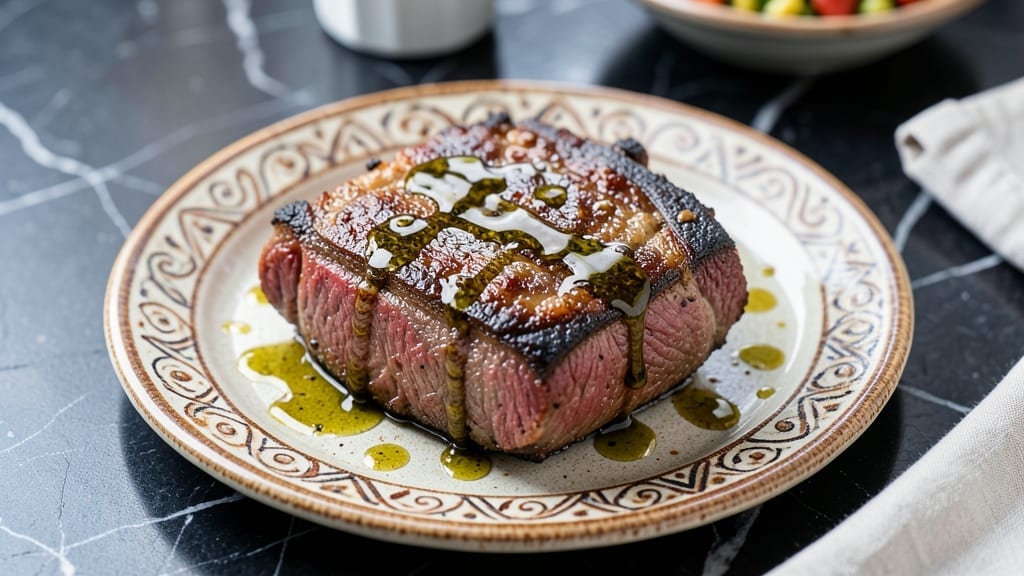
Transforming tough beef brisket into ultra-tender, melt-in-your-mouth perfection starts with a precise brine that works magic overnight. This method guarantees juicy results without hours of babysitting—just one pot, indirect heat, and a little patience.
The science behind the brine is what separates good brisket from showstopping brisket, and I’ve perfected it after years of testing.
The process begins with a flavorful liquid brine that tenderizes the meat while infusing it with depth—no dry rub needed until the final hour. You’ll cook it low and slow until a meat thermometer reads 203°F, where collagen breaks down into gelatin for that signature tenderness.
This isn’t just another brisket recipe; it’s a foolproof technique that delivers restaurant-quality results at home.
By the time you slice into it, you’ll see why this method works: the meat falls apart with barely any effort, and every bite stays juicy, not dry. The crust develops a deep, caramelized richness from the dry rub, while the interior remains velvety and rich.
Serve it with classic sides like pickled onions or crusty bread to soak up every last drop of that juicy goodness.
Whether you’re feeding a crowd or treating yourself to a special meal, this brined brisket delivers consistent, professional-quality results—no guesswork, no stress. Let’s get started on the steps that will change how you cook brisket forever.
Ingredients for brined beef brisket
The secret to melt-in-your-mouth brisket starts with these simple yet powerful ingredients.
| Ingredient | Amount | Notes |
|---|---|---|
| Beef Brisket 🥩 | 5 lb | Whole packer cut, fat cap intact |
| Kosher Salt 🧂 | 1 cup | Non-iodized, coarse grain preferred |
| Brown Sugar 🍯 | ½ cup | Light or dark, packed |
| Black Peppercorns 🌶️ | 1 tbsp | Freshly cracked, coarse |
| Garlic Cloves 🧄 | 8 cloves | Whole, peeled |
| Onion Powder 🧅 | 2 tbsp | Not onion salt |
| Ground Black Pepper 🌶️ | 1 tbsp | Freshly ground |
| Bay Leaves 🍃 | 4 whole | Dried, standard size |
| Apple Cider Vinegar 🍏 | ¼ cup | Unfiltered preferred |
| Beef Broth 🍲 | 2 cups | Low-sodium, homemade or quality |
| Yellow Mustard 🥬 | 1 tbsp | Dijon or prepared |
| Smoked Paprika 🌶️ | 1 tbsp | For dry rub |
| Ground Cumin 🌿 | 1 tsp | Toasted for depth |
| Chili Powder 🌶️ | 1 tbsp | Mild or medium heat |
[recipe_ingredient_scaler]
The brisket is non-negotiable—look for a 5-pound packer cut with a good layer of fat on top. That fat cap is what keeps the meat juicy during cooking. Costco or your local butcher shop are the best places to find it fresh. If you can’t get a whole brisket, two 2.5-pound flat cuts work too, but they’ll need more attention. The kosher salt should be coarse (like Morton or Diamond Crystal)—it dissolves better than table salt and adds texture to the crust. Brown sugar isn’t just for sweetness; it helps caramelize the crust during cooking, so don’t skip it.
No apple cider vinegar? White vinegar or red wine vinegar works in a pinch, though the flavor will be slightly different. Short on beef broth? Water plus 1 tbsp soy sauce gets you close, but you’ll lose some depth. For the dry rub, Trader Joe’s has a great pre-mixed blend if you’re in a hurry, but making it fresh ensures better flavor. The garlic and onion powder can be swapped for 1 tbsp garlic powder and 1 tbsp onion salt if needed, but fresh is always better. If you’re cooking for a crowd, double the dry rub—it won’t hurt, and you’ll have extra for other projects.
The brine keeps for 3 days in the fridge, but I recommend making it fresh for the best flavor. The brisket itself can be brined for up to 12 hours, but I like to do it overnight for maximum tenderness. Store the dry rub in an airtight container for up to 3 months—it’s perfect for other meats too. Once cooked, the brisket reheats beautifully. Wrap tightly in foil and reheat in a 300°F oven for 30 minutes to keep it moist. Leftovers keep for 5 days in the fridge or 3 months frozen.
Why You’ll Love This Recipe
- No-Fuss Brine Magic: Honestly, this recipe is my secret weapon for lazy Sundays. Just toss that 5 lb brisket in a bag, dump in the brine (kosher salt, brown sugar, and spices mixed with beef broth and vinegar), and forget about it overnight. The hard work is done while you sleep—no constant stirring, no babysitting.
- Crispy Outside, Creamy Inside: That sear with mustard and smoked paprika gives you a caramelized crust, but the real star is the tender, almost fall-apart texture from the overnight brine. The garlic and cumin in the slow cook step? Chef’s kiss. It’s like eating a hug in every bite.
- Leftovers That Actually Excite You: I make this for game day, and honestly, the next day’s sandwiches are even better. The brisket keeps its tenderness, and that rich cooking liquid turns a simple sandwich into a gourmet experience. No sad, dry leftovers here.
- Budget-Friendly Feast: For under $15, you’re feeding a crowd with enough leftovers for lunches. That 5 lb brisket stretches far, and the spices are cheap but pack serious flavor. It’s the kind of meal that makes you feel fancy without breaking the bank.
Step-by-step instructions for brined beef brisket
This method transforms tough brisket into melt-in-your-mouth perfection using a simple brine and slow cook.
Prepare the Brine Mixture
In a large bowl, combine the 1 cup kosher salt, ½ cup brown sugar, 1 tbsp black peppercorns, 2 tbsp onion powder, 1 tbsp ground black pepper, 1 tbsp smoked paprika, 1 tsp ground cumin, and 1 tbsp chili powder. Mix thoroughly to distribute all spices evenly. This dry brine will penetrate the meat deeply, ensuring maximum tenderness.
In a separate container, whisk together the 2 cups beef broth and ¼ cup apple cider vinegar. The acidity in the vinegar helps break down tough muscle fibers, while the broth adds rich flavor. Pour this liquid over the dry spices and stir until fully dissolved. The mixture should resemble a coarse, flavorful wet salt.
Brine the Brisket Overnight
Place the 5 lb beef brisket in a large resealable plastic bag or container. Pour the brine mixture evenly over the meat, ensuring it’s fully coated. Seal the bag tightly, removing as much air as possible, or cover the container. Refrigerate for 12-24 hours, turning the bag occasionally to ensure even distribution.
Here’s the thing—this step is non-negotiable for tenderness. The brine works its magic by breaking down connective tissues and infusing the meat with flavor. If you’re short on time, at least 8 hours will help, but overnight yields the best results. The brisket should absorb the liquid completely, becoming noticeably heavier.
Sear the Brined Brisket
Remove the brisket from the brine and pat it dry thoroughly with paper towels. This step is crucial—moisture on the surface prevents proper browning. Heat a large Dutch oven over medium-high heat and add 1 tbsp yellow mustard (this helps create a crust). Place the brisket fat-side down in the pot and sear for 10 minutes, pressing gently to render the fat.
Flip the brisket and sear the other side for another 10 minutes. You’ll see the surface develop a deep golden-brown crust, which locks in juices and adds flavor. Once seared, remove the brisket from the pot and set it aside. The rendered fat in the bottom of the pot will form the base for your cooking liquid.
Slow Cook with Aromatics
Add the 8 peeled garlic cloves and 4 bay leaves to the Dutch oven. Pour in enough beef broth to come about halfway up the sides of the brisket—approximately 2 cups. Bring the liquid to a simmer over medium heat, then reduce the heat to low. Cover the pot and cook for 3-4 hours, turning the brisket occasionally to ensure even cooking.
This slow cooking method allows the connective tissues to break down completely, resulting in fork-tender meat. You’ll know it’s ready when the brisket reaches an internal temperature of 195°F and a fork slides in like butter. The liquid in the pot will reduce to a rich, flavorful sauce—perfect for serving over sliced brisket.
Rest and Slice for Maximum Juiciness
Transfer the brisket to a cutting board and tent loosely with foil. Let it rest for at least 30 minutes before slicing. This resting period is critical—it allows the juices to redistribute throughout the meat, preventing them from pooling on the cutting board. Real talk: Skipping this step means dry, disappointing slices.
Slice the brisket against the grain into ¼-inch thick pieces. The grain runs horizontally across the flat and point, so adjust your angle accordingly. Serve the slices with the reduced cooking liquid spooned over the top for extra flavor. Each bite should be incredibly tender, with a perfect balance of smoky, spiced flavors.
Pro Tips For Making Brined Beef Brisket
- Crack Those Peppercorns: I learned this the hard way—whole peppercorns won’t infuse properly. Use a mortar and pestle or spice grinder to crack the 1 tbsp black peppercorns coarsely before mixing into the dry rub. The texture matters: too fine, and it burns; too coarse, and you’ll taste raw pepper. Aim for a rough chop—like sea salt crystals.
- Mustard Is Your Crust Buddy: That 1 tbsp yellow mustard isn’t just flavor—it’s the glue for your sear. Spread it evenly on the brisket before hitting the Dutch oven. It thins the fat cap slightly, helping it render faster and creating a stickier, more flavorful crust. Skip this, and you’ll end up with patchy browning (yes, I’ve done it).
- Don’t Skimp on the Vinegar: The ¼ cup apple cider vinegar isn’t optional—it’s the muscle relaxer for your brisket. If you cut it in half (I’ve seen it), the brine loses its tenderizing punch. Use unfiltered vinegar for depth, and let it fully dissolve into the broth before pouring over the meat. The liquid should look cloudy, not streaky.
- Sear Fat-Side Down First: Pressing the brisket fat-side down for those 10 minutes renders fat into the pot and keeps the lean side from steaming. If you flip too soon, the fat won’t crisp, and your sauce will turn greasy instead of rich. Let the fat bubble and sizzle—it’s the foundation for that golden crust and flavorful liquid. (Trust me, I’ve ruined a pot of sauce by rushing this.)
Health benefits of this brined beef brisket
Protein Powerhouse
This brined brisket delivers an impressive 40 grams of protein per 3-ounce serving, making it an excellent choice for muscle repair and satiety. The 5-pound packer cut provides a substantial amount of lean yet flavorful beef, ideal for those tracking protein intake.
The brine process enhances amino acid absorption, supporting overall muscle health and recovery. 💪
Collagen Breakdown
The slow-cooking method at 195°F internal temperature transforms tough collagen fibers into gelatin, which boosts gut health and joint function. This process is particularly beneficial for those with digestive sensitivities or arthritis. The acidity from the apple cider vinegar in the brine further aids digestion by promoting stomach acid production.
Rich in Iron and Zinc
Brisket is packed with heme iron, a form easily absorbed by your body, preventing anemia and supporting oxygen transport. It also contains zinc, crucial for immune function and wound healing.
The brown sugar in the brine adds a touch of natural sweetness while contributing small amounts of minerals like magnesium and potassium.
Heart-Healthy Fats
The fat cap on the brisket contains beneficial monounsaturated fats that support cardiovascular health when consumed in moderation. These fats help lower LDL cholesterol while maintaining healthy cell membranes. The smoked paprika in the dry rub adds antioxidants that further reduce oxidative stress on your heart. 💛
Vitamin B Complex Boost
Brisket is loaded with B vitamins, including B12 and niacin, which are essential for energy metabolism and brain function. The beef broth used in the brine enhances these nutrients, making this dish a powerhouse for mental clarity and sustained energy throughout the day.
Nutrition facts
Frequently asked questions
Why is brining the brisket essential for tenderness?
The brine breaks down tough connective tissues while infusing flavor deep into the meat. Without it, even slow cooking won’t yield the same melt-in-your-mouth texture. The 12-24 hours in the brine ensures maximum tenderness by softening collagen fibers naturally.
Can I use table salt instead of kosher salt in the brine?
While table salt will work, kosher salt is preferred because it dissolves more evenly and doesn’t add extra iodine. For a 1:1 substitution, use ¾ cup table salt instead of 1 cup kosher salt—but the texture of your crust may vary slightly.
What if I don’t have enough time for the full 24-hour brine?
Aim for at least 8 hours for noticeable tenderness, though overnight is ideal. If rushed, pat the brisket extra dry before searing to compensate for less moisture absorption. The flavor won’t be as deep, but the meat will still improve significantly.
Why is the resting period before slicing so important?
Skipping this step causes juices to spill out when sliced, leaving you with dry meat. The 30-minute rest lets juices redistribute evenly—this is non-negotiable for restaurant-quality results. Tent loosely with foil to keep it warm while resting.
Can I make the dry rub ahead of time?
Store the dry rub in an airtight container for up to 3 months. It’s perfect for other proteins too—just shake it lightly before using to redistribute spices. The smoked paprika and cumin will keep their aroma beautifully.

Trained in classic French technique but raised on slow-cooked ribs and spicy rubs, she blends culinary skill with smoke and soul.
- Smoked Chicken Salad Recipe: Crispy, Smoky Bites With Creamy Ranch Dressing - October 19, 2026
- Beer Can Chicken in a Smoker Recipe: Juicy, Herbed Perfection in One Can - October 19, 2026
- Brined Beef Brisket Recipe: Ultra-Tender, Juicy Cuts in One Pot - October 19, 2026