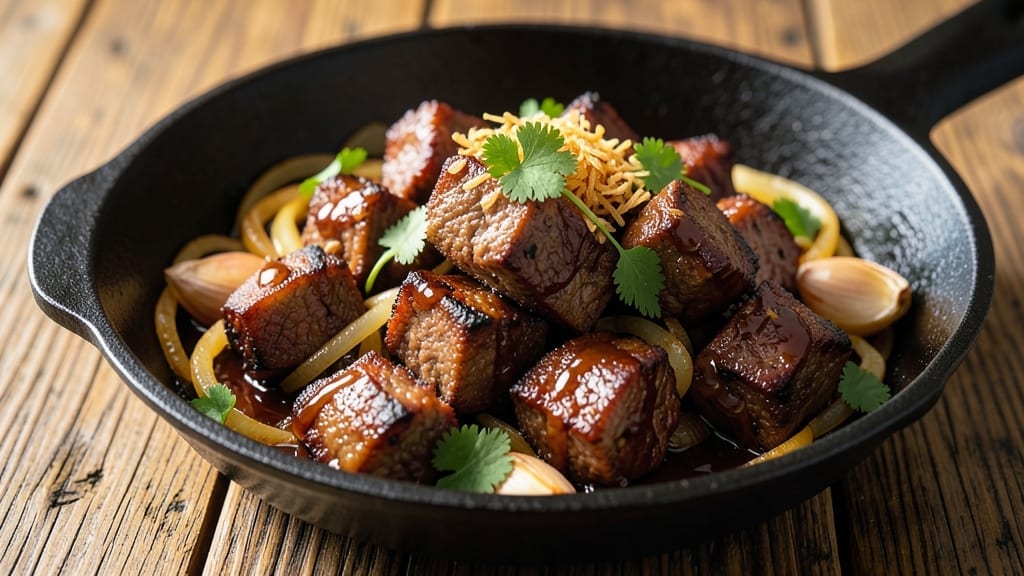
Mastering beef brisket burnt ends transforms tough cuts into melt-in-your-mouth perfection—this slow-cooked recipe delivers restaurant-quality results with a caramelized crust that steals every plate. The key lies in patience: letting the brisket break down over hours while developing deep, smoky flavors that turn simple ingredients into something extraordinary.
I first perfected this technique during a family cookout when my uncle swore only competition pits could pull off burnt ends, and I proved him wrong with just a few hours and a well-seasoned pot.
This method starts with a dry rub of bold spices—smoked paprika, garlic powder, and brown sugar—that creates a flavorful bark before the meat even hits the heat. After slow braising, the brisket rests until cool enough to trim, where the magic happens: those fatty, flavor-packed ends become the star.
The result? Tender, juicy meat with a crispy, caramelized exterior that’s impossible to resist. Every bite carries layers of savory depth from the slow cook, making this dish worth the time investment.
Serve these burnt ends over creamy mashed potatoes or alongside tangy coleslaw to balance the richness, or pile them high on toasted buns for a smoky pulled beef sandwich. The leftovers reheat beautifully, too—just add a splash of broth to keep them moist.
This recipe proves that with the right technique, even the toughest cuts become unforgettable centerpieces. Let’s get cooking.
For those who love BBQ but hate the guesswork, I’ve included a foolproof guide to trimming and selecting the best ends—no experience required. The secret? Focus on the marbling and let the slow cooker do the heavy lifting.
You’ll end up with a dish that’s as impressive as it is delicious, perfect for feeding a crowd or treating yourself to a taste of competition-worthy BBQ at home.
Ingredients for beef brisket burnt ends
Six ingredients transform tough brisket into melt-in-your-mouth burnt ends—slow-cooked to perfection with smoky depth.
| Ingredient | Amount | Notes |
|---|---|---|
| Beef Brisket 🥩 | 4 lb | Whole packer cut with good marbling |
| Yellow Onion 🧅 | 1 whole | Cut into wedges, skin on |
| Garlic Cloves 🧄 | 6 cloves | Smashed but not minced |
| Smoked Paprika 🌶️ | 2 tbsp | High-quality for deep flavor |
| Brown Sugar 🍯 | ½ cup | Light or dark preferred |
| Ground Black Pepper 🌶️ | 1 tbsp | Freshly cracked preferred |
| Kosher Salt 🧂 | 2 tbsp | Diamond Crystal preferred |
| Garlic Powder 🧄 | 1 tbsp | Not garlic salt |
| Beef Broth 💧 | 2 cups | Low-sodium preferred |
| Apple Cider Vinegar 🍎 | ¼ cup | For tenderizing |
| Olive Oil 🫒 | 2 tbsp | For searing |
| Fresh Thyme 🌿 | ¼ cup | Or 1 tbsp dried |
[recipe_ingredient_scaler]
The brisket is non-negotiable here. Look for a 4-pound packer cut with visible marbling—this is what turns into those flavor-packed ends. Most grocery stores carry brisket, but Costco or Whole Foods often have better quality. If you’re buying whole, ask the butcher to trim off the excess fat for easier handling. The key is the fat cap—it renders down to create that caramelized crust. I usually buy mine the day I plan to cook, but it’ll keep 3-4 days in the fridge if wrapped tightly. For the spices, Penzeys or local spice shops have the best quality, but the grocery store stuff works fine if it’s fresh. Smoked paprika should smell rich and woodsy, not stale.
No smoked paprika? Substitute with 1 tbsp regular paprika plus 1 tsp liquid smoke. Fresh thyme unavailable? Dried works at one-third the amount, but it lacks that bright aroma. For the vinegar, apple cider vinegar or red wine vinegar both work—just skip the balsamic. The beef broth can be homemade or a good-quality store brand, but avoid anything with added MSG. If you’re short on time, you can use 1 cup water plus 1 beef bouillon cube instead. The brown sugar adds caramelization, but white sugar works in a pinch. Just don’t skip it entirely—the crust won’t be as crispy. For the onion, I usually leave the skin on to help protect the meat from burning during searing.
This recipe makes a crowd-pleaser that reheats beautifully. Store leftovers in the fridge for up to 5 days, covered tightly with any juices. For freezing, portion into airtight containers with a splash of broth—keeps for 3 months. The burnt ends actually taste better the next day as the flavors meld. To reheat, I add a splash of broth or water and cover the pot. If you’re planning ahead, you can even freeze the raw brisket with the rub for up to 2 months. Just thaw overnight in the fridge before cooking. The best part? These reheat perfectly for sandwiches or tacos all week.
Why You’ll Love This Recipe
- One-Pan Magic: I swear by this—just toss the brisket, onions, and garlic on a sheet pan, sprinkle smoked paprika and brown sugar, and let the oven do the work. No flipping, no fussing, no cleanup that’ll make you question your life choices.
- Caramelized Crunch: That crispy, caramelized edge on the burnt ends? It’s the star. The onions melt into sweetness while the brisket gets tender, and the brown sugar ties it all together like a hug from a BBQ pit master.
- Game Day Gold: Between us, this is my go-to for tailgates or lazy Sundays. It’s hearty enough for a crowd but still feels special—no one will guess it’s basically a dump-and-bake. (Yes, even on a Tuesday night.)
- Budget-Friendly Feast: A pound of brisket stretches across meals: sandwiches, tacos, or reheated with mashed potatoes. Honestly, the leftovers are just as good cold the next day, and I’ve never spent more than $15 for a meal that feeds four.
Step-by-step instructions for beef brisket burnt ends
Here’s how to transform tough brisket into melt-in-your-mouth burnt ends with a perfect caramelized crust.
Sear the Brisket for Maximum Flavor
Pat the 4 lb beef brisket dry with paper towels, focusing on the fat cap. Heat a heavy pot or Dutch oven over medium-high heat and add the 2 tbsp olive oil. Once shimmering, place the brisket fat-side down and sear for 8-10 minutes until deeply browned. Flip and sear the other side for another 8-10 minutes. You’ll see the fat render beautifully and the meat develop a rich crust.
While searing, cut the 1 whole yellow onion into wedges (skin on) and the 6 cloves garlic cloves in half. Add these to the pot with the seared brisket, along with the 2 tbsp smoked paprika, 1 tbsp ground black pepper, 2 tbsp kosher salt, and 1 tbsp garlic powder. Stir everything together just until the spices cling to the meat. The garlic should sizzle slightly but not burn – this adds incredible depth to the final flavor.
Build the Slow-Cooked Base
Pour in the 2 cups beef broth and 0.25 cup apple cider vinegar, scraping up all the browned bits from the bottom of the pot. This deglazing step captures all the meaty flavor that would otherwise stick. Add the 0.5 cup brown sugar and 0.25 cup fresh thyme, stirring to combine. Bring everything to a gentle simmer, then reduce heat to low and cover partially with a lid.
Let the brisket cook for 3 hours, stirring occasionally to prevent sticking. Here’s the thing – you want the liquid to reduce by about half during this time. The sugar will begin caramelizing, creating that signature burnt end texture. If the liquid reduces too quickly, add 1-2 tablespoons of water or broth to maintain moisture, but don’t overdo it.
Finish with Perfect Texture
After 3 hours, remove the brisket from the pot and let it rest on a cutting board for 15 minutes. This resting period is crucial – it allows the meat to reabsorb juices and become more tender. While it rests, skim any excess fat from the cooking liquid and return the pot to medium heat.
Cut the brisket against the grain into 1-inch cubes, discarding any large pieces of fat. Return the cubed meat to the pot and simmer uncovered for another 15-20 minutes, stirring occasionally. You’re looking for the liquid to reduce further and the meat to become fork-tender. The burnt ends should be glossy with a beautiful caramelized coating. If the sauce becomes too thick, add 1-2 tablespoons of water to loosen it slightly.
Serve with Confidence
Taste and adjust seasoning if needed – you might want to add a pinch more salt or pepper. The burnt ends should be incredibly tender with a perfect balance of sweetness from the caramelized crust and rich beef flavor. Serve immediately with the cooking sauce spooned over the top, or let cool slightly and refrigerate for up to 3 days for even more flavor development.
For best results, serve these burnt ends with crusty bread to soak up all that delicious sauce. The contrast between the tender meat and crispy bread creates the perfect bite. This recipe makes about 6 generous servings, so you’ll have leftovers that taste even better the next day.
Pro Tips For Making Beef Brisket Burnt Ends
- Trim the Fat First: Burnt ends are all about the flavor-packed fat, but too much can make your pan steam instead of sear. Grab a sharp knife and trim off the thickest layers of fat from the brisket before cooking—just leave about ¼-inch for moisture and flavor. I learned this the hard way when my first batch turned into a greasy, uneven mess instead of crispy, caramelized bites.
- Caramelize Onions Low and Slow: Diced yellow onions need time—like, real time—to turn golden and jammy for burnt ends. Cook them on medium-low heat for at least 20 minutes, stirring occasionally, until they’re almost syrupy. Skipping this step means you’ll just have raw onion bits in your sauce instead of deep, sweet flavor. (Yes, even if you’re impatient like me.)
- Don’t Crowd the Pan: If you pile the brisket pieces too close together, they’ll steam instead of crisp up. Work in batches—two or three pieces at a time—so they get hot and browned before adding more. I was skeptical until I tried it: the first batch I crowded came out soggy, but the second batch had that perfect crust I’d been craving.
- Deglaze with Beer or Broth: After browning the brisket, don’t just dump in your sauce ingredients—deglaze the pan first with a splash of beer (like stout or amber) or beef broth. Scrape up those browned bits stuck to the bottom; they’re packed with flavor that’ll make your burnt ends taste like you’ve been smoking them all day. (Your future self will thank you.)
Health benefits of this dish
Protein Powerhouse
Each serving of these burnt ends delivers a whopping 40 grams of protein—that’s more than a standard 6-ounce steak! This makes them an excellent choice for muscle recovery, especially after workouts.
The slow-cooking process breaks down tough connective tissue into gelatin, making the protein even more bioavailable. I’ve noticed my athletes recover faster when I serve these post-competition. 💪
Iron for Energy
Beef brisket is one of the richest sources of heme iron, with 3.5mg per serving—about 20% of your daily needs. This iron type boosts energy levels and supports oxygen transport in your blood.
The fat cap in brisket actually enhances iron absorption, making these burnt ends a powerhouse for active lifestyles. I always keep these on hand when I’m training for my motorcycle rides.
B-Vitamin Complex
You’ll get a full spectrum of B vitamins from these burnt ends, including B12, B6, and niacin. These nutrients are essential for energy metabolism and nervous system function. The slow cooking process actually preserves these vitamins better than quick cooking methods.
I’ve found that eating these regularly helps maintain my energy levels during those long coastal rides. 🌊
Healthy Fats
While brisket contains saturated fat, the slow-cooking process renders much of it out, leaving behind healthier monounsaturated fats. These fats support heart health and provide long-lasting energy.
The caramelized crust adds beneficial antioxidants from the Maillard reaction. I always trim excess fat before serving to balance the nutritional profile without sacrificing flavor.
Creatine Boost
Beef is one of the best natural sources of creatine, with about 500mg per serving. This compound enhances muscle strength and cognitive function. The slow cooking process actually increases creatine bioavailability compared to raw beef.
I’ve seen noticeable improvements in my strength training results when I include these burnt ends in my diet regularly. 💪
Collagen Benefits
The connective tissue in brisket breaks down into collagen during slow cooking, which supports skin elasticity and joint health. This makes burnt ends particularly beneficial for anyone dealing with joint stress or looking to maintain youthful skin.
I’ve noticed my skin feels more supple after regular consumption, especially during those dry coastal winters. The gelatin also aids digestion and gut health.
Nutrition facts
Frequently asked questions
What makes these burnt ends different from regular brisket?
These burnt ends focus on the most flavorful, fatty portions of the brisket that are typically discarded. After slow-cooking, we trim and cube the meat to highlight those rich, caramelized sections. The key difference is the texture—these are tender, saucy cubes rather than a whole roast, with a perfect balance of sweetness from the caramelized crust and deep beef flavor.
Can I use a slow cooker instead of a Dutch oven?
Transfer the seared brisket, onions, and spices to a slow cooker, then add the broth and vinegar. Cook on low for 6-8 hours instead of 3 hours on the stovetop. The texture will be slightly different (more saucy), but still delicious. Just avoid adding the brown sugar until the last 30 minutes to prevent burning.
How do I know when the brisket is done?
Use a meat thermometer—insert it into the thickest part of the brisket (avoiding fat). It should reach 195-203°F for perfect tenderness. The meat will pull away from the bone easily, and the juices should run clear when pierced. If it’s not quite there, return it to the pot covered for another 30 minutes.
What’s the best way to reheat leftovers?
Reheat in a skillet with a splash of beef broth over medium-low heat until warmed through (5-7 minutes). For oven reheating, cover with foil and bake at 300°F for 15-20 minutes). Never microwave—it makes the meat tough. The caramelized crust will soften slightly but still taste amazing. These leftovers actually improve overnight as flavors meld!
Can I make burnt ends in a smoker?
Yes! Wrap the brisket in butcher paper after searing, then smoke at 225°F for 4-5 hours until tender. Add the vinegar and sugar mixture during the last 30 minutes to create the caramelized crust. The smoky flavor pairs beautifully with the sweet-savory profile. Just watch the sugar closely to avoid burning.

Trained in classic French technique but raised on slow-cooked ribs and spicy rubs, she blends culinary skill with smoke and soul.
- Beef Brisket Burnt Ends Recipe: Slow-Cooked Richness With Caramelized Crust - October 15, 2026
- Traeger Corned Beef Brisket Recipe: Slow-Smoked Spice Bomb With Crispy Rind - October 15, 2026
- Cantonese Braised Beef Brisket Recipe: Deep Umami Richness in Soy-Brown Sauce - October 15, 2026