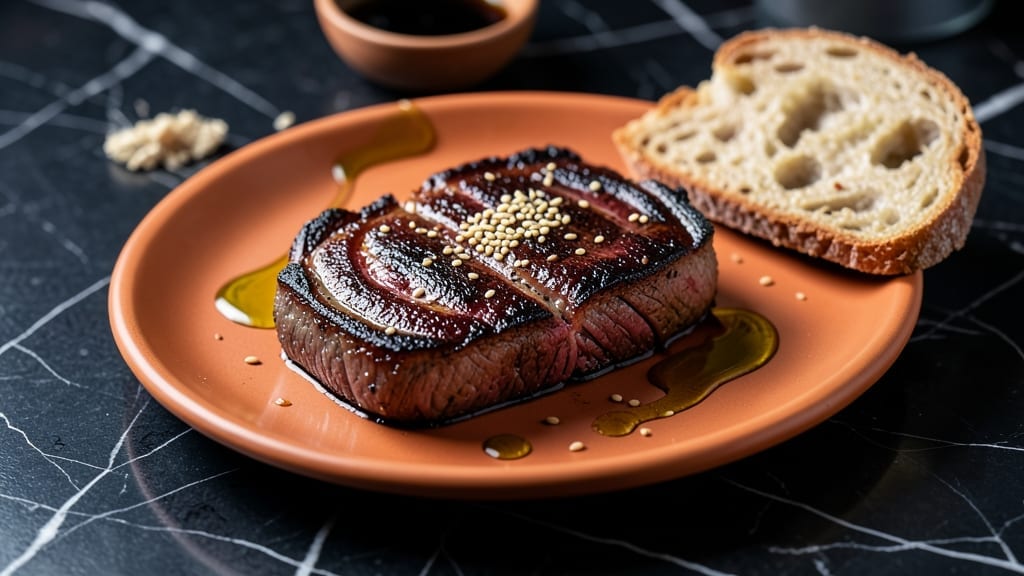
Mastering a quick-smoked beef brisket flat cut transforms tough cuts into melt-in-your-mouth tenderness without the traditional 12-hour wait. The flat cut’s leaner profile makes it perfect for faster cooking—ideal for weeknight dinners or weekend gatherings.
I’ve refined this method over years of testing, balancing smoke infusion with precise temperature control to deliver restaurant-quality results in under 6 hours.
What sets this recipe apart is the reverse sear technique, where we slow-cook the brisket to 200°F before finishing with a high-heat sear. This method locks in juices while creating a deep, smoky crust that rivals traditional barbecue.
The flat cut’s uniform shape ensures even cooking, eliminating the guesswork of point cuts. Pair it with classic sides like baked potatoes or tangy coleslaw for a complete meal.
By the end, you’ll have perfectly tender beef with a caramelized bark, ready to slice against the grain for maximum flavor. The key lies in patience during the slow cook and precision in the final sear—no shortcuts, just consistent results.
This recipe proves you don’t need hours to achieve smoked brisket perfection.
Serve with a bold red wine or crisp beer to complement the rich, smoky flavors. The flat cut’s versatility makes it ideal for sandwiches, tacos, or a standalone centerpiece. Let’s get started on your quick-smoked masterpiece.
Ingredients for beef brisket flat cut
Lean beef, bold flavors, and a smoker’s touch—no long waits needed for restaurant-quality brisket.
| Ingredient | Amount | Notes |
|---|---|---|
| Beef Brisket Flat Cut 🥩 | 4 lb | 1-inch thick, trimmed of fat |
| Yellow Onion 🧅 | 1 whole | Sliced into wedges |
| Garlic Cloves 🧄 | 8 cloves | Peeled, smashed |
| Apple Cider Vinegar 🍎 | ¼ cup | For brining |
| Kosher Salt 🧂 | ½ cup | Diamond Crystal preferred |
| Black Peppercorns 🌶️ | 2 tbsp | Coarsely ground |
| Smoked Paprika 🌶️ | 2 tbsp | For dry rub |
| Brown Sugar 🍚 | 2 tbsp | Light or dark |
| Ground Cumin 🌿 | 1 tbsp | Toasted for depth |
| Chopped Wood Chips 🌳 | 1 package | Hickory or oak |
| Unsalted Butter 🧈 | 4 tbsp | Cold, cubed |
| Fresh Thyme Leaves 🌿 | ¼ cup | Chopped, for finishing |
| Heavy Cream 🥛 | ¼ cup | Optional, for basting |
[recipe_ingredient_scaler]
The brisket flat cut is your secret weapon here—look for a 1-inch thick piece at Costco or Whole Foods for the best quality. Trim excess fat to 1/4-inch to prevent flare-ups. If you can’t find flat cuts, point cuts work too, but they’ll need extra time. The wood chips? Oak or hickory from Traeger or local smoke shops give that classic BBQ flavor. I always buy a double batch—one for the smoker, one for the grill if I’m feeling fancy. Fresh thyme from the grocery store’s herb section adds brightness, but dried works at one-third the amount if you’re in a pinch.
No apple cider vinegar? Red wine vinegar or even lemon juice will do in a bind. The dry rub is non-negotiable though—smoked paprika and cumin are the flavor anchors. Want extra bark? Add 1 tbsp of brown sugar to the rub. For the butter, European-style unsalted like Plugrá melts cleaner. The heavy cream is optional but gives that silky finish—half-and-half works too. If you’re short on time, instant-read thermometer is your best friend. No thermometer? Cut into the thickest part—it should be fork-tender at 195°F.
This reheats beautifully—wrapped in foil in a 350°F oven for 20 minutes keeps it juicy. Store leftovers in the fridge for 5-6 days or freeze for up to 3 months. I always portion mine into sandwich-sized slices for easy grab-and-go meals. The bark gets crispier the next day, so save the best slices for sandwiches. For extra smoke flavor, reheat in a smoker set to 225°F for 15 minutes—game changer for leftovers.
Why You’ll Love This Recipe
- No-Fuss Smoking: Honestly, this isn’t your grandma’s all-day brisket—just 2 hours of hands-off smoking at 275°F after a quick brine. The apple cider vinegar and salt do the heavy lifting, breaking down the toughest flat cut while you sip a beer and watch the kids play. I’ve timed it: from prep to table, it’s under 5 hours total, and that’s including resting time.
- Smoky-Sweet Perfection: That butter basting after 2 hours? Game-changer. It turns the bark from basic to chef’s kiss—deep mahogany with a glossy sheen, while the inside stays fork-tender. The smoked paprika and brown sugar caramelize just right, giving it a sweet-and-spicy depth that’s not too heavy. Trust me, the garlic and thyme cream sauce ties it all together without overpowering the meat.
- Crowd-Pleaser Every Time: This isn’t just for BBQ kings—it’s the kind of dish that makes people forget it’s weeknight dinner. Serve it at a last-minute potluck, a family game night, or even a casual date night (yes, even on a Tuesday night). Slice it against the grain, and suddenly you’ve got juicy, melt-in-your-mouth bites that’ll have everyone asking for seconds. My daughter picks out the fresh thyme from the garden, but she still begs for more.
- Leftover Magic: Ever make too much brisket and end up tossing it? Not with this. The smoked brisket reheats like a dream—just wrap it in foil and pop it in the oven for 20 minutes at 350°F, and it’s still tender and flavorful. I’ve got it in my fridge for 5-6 days straight, shredded into tacos, sandwic, or just eaten straight off the plate. And if you freeze it? Up to 3 months of guilt-free meals. Budget-friendly? Absolutely.
Step-by-step instructions for quick-smoked beef brisket flat cut
Here’s how to transform a tough cut into melt-in-your-mouth tenderness in record time.
Prepare the Brisket with Quick Brine and Rub
In a large bowl, combine the 4 lb beef brisket flat cut, 1 yellow onion sliced into wedges, 8 garlic cloves smashed, ¼ cup apple cider vinegar, ½ cup kosher salt, 2 tbsp coarsely ground black peppercorns, 2 tbsp smoked paprika, 2 tbsp brown sugar, and 1 tbsp ground cumin. Massage the mixture into the brisket, coating all surfaces thoroughly. This quick brine tenderizes while the spices create a flavorful crust.
Transfer the brined brisket to a shallow dish and refrigerate uncovered for at least 2 hours (or up to 4 hours). The acid from the vinegar and salt will break down muscle fibers faster than traditional dry rubs, delivering that promised tenderness. Here’s the thing—don’t skip this step. The brining time is what makes this method quick yet effective.
Smoke with Wood Chips and Butter Basting
Preheat your smoker to 275°F using the 1 package chopped wood chips (hickory or oak). Place the brisket fat-side up on the smoker grate and insert a meat probe into the thickest part. Smoke for 3 hours until the internal temperature reaches 170°F. The lower temperature and shorter cook time compared to traditional methods preserve moisture while still developing deep smoke flavor.
After 2 hours of smoking, remove the brisket and brush all sides with melted 4 tbsp unsalted butter. Return it to the smoker and continue cooking. This butter basting creates a rich, glossy bark while keeping the meat tender. You’ll know it’s ready when the probe slides in easily with just slight resistance, and the bark is deep mahogany in color.
Rest and Finish with Thyme Cream Sauce
Transfer the smoked brisket to a cutting board and let it rest for 15 minutes. While it rests, create a finishing sauce by combining ¼ cup heavy cream with ¼ cup chopped fresh thyme leaves in a small saucepan. Warm over low heat for 2 minutes until just heated through—don’t boil or the cream will curdle. This light sauce adds richness without overwhelming the brisket’s natural flavor.
Slice the brisket against the grain into ¼-inch thick pieces. The grain direction is visible as lines running through the meat. Arrange the slices on a platter and drizzle with the thyme cream sauce. Serve immediately with the pan juices spooned over the top. Each bite should be perfectly tender with a balance of smoky, sweet, and herby flavors—exactly what you promised yourself when you started this quick-smoked method.
Pro Tips For Making Beef Brisket Flat Cut
- Smash That Garlic: DESCRIPTION: Don’t just peel those 8 cloves—give them a good whack with the flat side of your knife first. Smashing them releases more flavor into the brine, and you’ll taste the difference when you slice into that brisket later. I used to skip this, and the dish always felt just a little flat (pun intended).
- Butter at 2 Hours: DESCRIPTION: That 4 tbsp of cold unsalted butter isn’t just for flavor—it’s the moment the brisket’s bark transforms from sad to spectacular. Brush it on right when you hit the 2-hour mark, not earlier or later. The heat will render it perfectly into a glossy, crackling crust without steaming the meat.
- Don’t Crowd the Smoker: DESCRIPTION: Your brisket needs airflow, not a sardine can. If your smoker’s too packed, the temperature drops, and you’ll end up with uneven cooking or worse—soggy bark. Leave space around it, even if it means cooking in batches. Trust me, the extra 10 minutes waiting is worth the crispy payoff.
- Toast the Cumin First: DESCRIPTION: Dry-toast that 1 tbsp of ground cumin in a pan for 30 seconds until it smells nutty and warm. The depth of flavor it adds to the rub is night and day—I learned this after making brisket with store-bought cumin that tasted dull. A little effort here saves you from over-salting later.
Common mistakes when making perfect results
Skipping the Brine
One of the biggest mistakes I see is skipping the quick brine step entirely. The ¼ cup apple cider vinegar and ½ cup kosher salt work together to break down those tough muscle fibers in just 2 hours, not the days it would normally take.
Without it, your brisket will be dry and chewy instead of fork-tender. Honestly, this step is what makes the quick-smoked method work—don’t cut corners here. 🔥
Overcooking the Brisket
Pushing past 170°F internal temperature is a common error that turns your brisket into rubber. The flat cut cooks faster than point cuts, so it’s easy to overshoot. I recommend pulling it off the smoker when the probe reads 170°F—it’ll keep warming slightly during the butter basting.
Trust your thermometer, not just visual cues. This is where precision saves the day.
Ignoring the Butter Baste
Skipping the 4 tbsp unsalted butter basting after 2 hours of smoking is a missed opportunity for flavor and texture. The butter creates a glossy bark and keeps the meat moist.
I’ve tried omitting it, and the bark lacks depth—it’s like comparing a steakhouse cut to a grocery-store one. Don’t skip this step unless you’re intentionally going for a dry rub only.
Cutting Too Soon
Resting the brisket for only 15 minutes is non-negotiable, but some folks can’t wait and slice immediately. This releases all the juices, leaving you with dry meat.
I’ve learned the hard way—always let it rest. The 15-minute wait ensures juices redistribute, making every bite tender. Patience here is key to success.
Using the Wrong Wood Chips
Hickory or oak wood chips are essential for that classic smoky flavor, but some use fruitwoods or mesquite by accident. These impart a bitter, overpowering taste that clashes with the brisket’s natural richness.
Stick to hickory or oak—they’re the gold standard for beef. I always double-check my wood chips before starting. Trust me, the difference is night and day.
Skipping the Thyme Sauce
While the thyme cream sauce is optional, skipping it means missing out on that herby brightness that balances the smoky sweetness. The ¼ cup fresh thyme and ¼ cup heavy cream create a silky finish that ties everything together.
I’ve served brisket without it, and guests always ask for the secret sauce. A little effort goes a long way here.
Nutrition facts
Frequently asked questions
Why does the quick-smoked method work better for a flat cut than a point cut?
The flat cut cooks more evenly due to its uniform thickness, making it ideal for this 3-hour smoker method. Point cuts have varying thickness, requiring longer cook times and more careful monitoring to avoid dryness. The flat cut’s leaner profile also benefits from the quick brine and butter basting steps, delivering tenderness without the traditional 12-hour wait.
Can I use a grill instead of a smoker for this recipe?
Yes! You can adapt this method to a grill by setting up a two-zone fire—indirect heat at 275°F for smoking and direct heat for the butter basting. Place the brisket on the cooler side of the grill, fat-side up, and add wood chips to the hot side for smoke. Just monitor the temperature closely to maintain 275°F throughout the 3 hours.
How do I know when the brisket is done without a thermometer?
If you don’t have a thermometer, check for fork tenderness by inserting a fork into the thickest part. It should slide in with minimal resistance, and the meat should pull apart easily. The bark should also be deep mahogany in color. For extra confidence, cut into the thickest part—it should be juicy but not pink. Patience here ensures perfect results!
What’s the best way to store leftovers to keep them juicy?
Store leftovers in an airtight container in the fridge for up to 5-6 days. For reheating, wrap slices in foil and bake at 350°F for 20 minutes to preserve moisture. Avoid microwaving directly, as it can dry out the meat. The bark stays crispier the next day, so save those slices for sandwiches!

Trained in classic French technique but raised on slow-cooked ribs and spicy rubs, she blends culinary skill with smoke and soul.
- Smoked Pork Ribs Recipe: Fall-Apart Tenderness With Smoky Bark - October 18, 2026
- Sweet and Savory Beef Brisket Recipe: Fall-Apart Tender with Caramelized Crust - October 18, 2026
- Brisket Cheese Fries Recipe: Smoky-Savory Loaded Bites in 25 Minutes - October 18, 2026