Beef Brisket Pit Boss Recipe: Smoky, Fall-Apart Tenderness in 8 Hours

Beef Brisket Pit Boss Recipe: Smoky, Fall-Apart Tenderness in 8 Hours

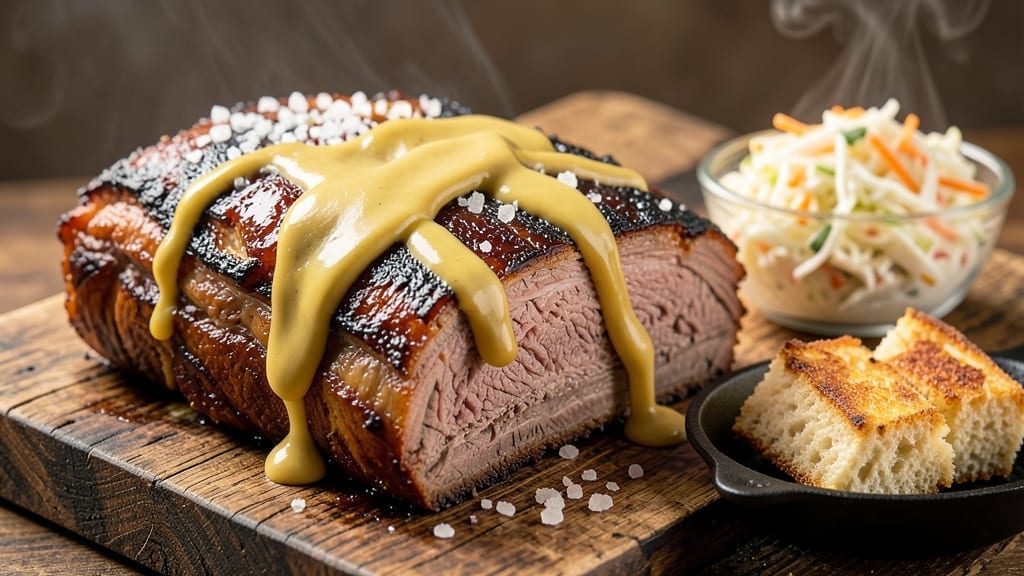
This Pit Boss-style smoked beef brisket delivers the kind of fall-apart tenderness that transforms a simple meal into a centerpiece for any gathering. The secret lies in low-and-slow smoking, precise temperature control, and the Texas crutch—wrapping the brisket to lock in moisture while building that coveted dark bark.

After years of perfecting this method, I’ve developed a foolproof 8-hour process that ensures restaurant-quality results every time, even for home smokers.

The beauty of this recipe is its balance of simplicity and technique. You’ll need just a few key ingredients—quality beef brisket, a well-seasoned rub, and a reliable smoker like the Pit Boss—but the magic happens in the execution.

Maintaining a steady 225°F temperature and wrapping the brisket at the right moment (around 165°F internal) are the critical steps that turn tough meat into melt-in-your-mouth perfection. The Pit Boss’s precise temperature control makes this achievable without constant monitoring.

By the time you slice into that brisket, you’ll be rewarded with juicy, tender slices that practically fall apart at the touch of a fork, all topped with a glossy, dark crust that carries layers of smoky flavor.

The aroma alone will have everyone anticipating dinner, and the leftovers—if there are any—will be just as delicious reheated the next day. This is the kind of brisket that turns casual dinners into memorable events.

Pair it with classic sides like baked beans, creamy coleslaw, or buttery cornbread to complete the meal. The recipe is designed to be reproducible and reliable, so even if you’re new to smoking, you’ll achieve professional-level results. Let’s get started on creating your best brisket yet.

👨‍🍳
Difficulty
Medium
🥩
Diet
Meat
🔥
Calories
Med Cal

Ingredients for beef brisket pit boss

Six pounds of brisket and a Pit Boss make this smoky masterpiece—just add time and patience.

Ingredient Amount Notes
Beef Brisket 🥩 6 lb Whole packer cut, 1.5 inches thick
Yellow Mustard 🍯 ¼ cup For fat cap adhesion
Coarse Kosher Salt 🧂 ½ cup Diamond Crystal preferred
Black Peppercorns 🌶️ 1 ½ tbsp Freshly cracked coarse
Smoked Paprika 🌶️ 2 tbsp High-quality for deep color
Garlic Powder 🧄 1 tbsp Freshly ground preferred
Onion Powder 🧅 1 tbsp Finely milled
Brown Sugar 🍯 1 ½ tbsp Light or dark
Ground Chipotle Pepper 🌶️ 1 tsp Adjust for heat preference
Butcher Paper 📄 1 sheet For wrapping brisket
Apple Juice 🍎 1 cup For wrapping liquid
Wood Chips 🌳 4 cups Hickory or oak preferred
Water 💧 1 cup For soaking wood chips
Beef Broth 🍲 ½ cup For spritzing during smoke

[recipe_ingredient_scaler]

The brisket is non-negotiable here. Look for a full packer cut from a reputable butcher—Costco or local meat counters are your best bets. The fat cap should be at least 1/2 inch thick for moisture. If your butcher doesn’t have it pre-trimmed, ask for the fat left on. Sniff it first—fresh brisket should smell clean, not ammonia-like. For the wood chips, Traeger or Cookshack brands hold up best during smoking. Soak them for 30 minutes before use to prevent flare-ups. The Pit Boss’s built-in temperature probe will be your best friend here—set it for 225°F and let it do the work.

No butcher paper? Heavy-duty aluminum foil works in a pinch, but butcher paper lets the bark form better. Running out of apple juice? White grape juice or even beef broth will do—just don’t use anything sweet like orange juice. The smoked paprika can be swapped for regular paprika if needed, but you’ll lose some of that deep smoky color. For the rub, Penzeys or McCormick brands have consistent quality. If you’re short on time, you can skip the chipotle and just use extra smoked paprika—it’ll still be delicious, just less smoky. The key is keeping everything balanced.

Brisket reheats best at 325°F for 15-20 minutes—wrap it tightly in foil to retain moisture. Leftovers keep for 5-6 days in the fridge, but honestly, they won’t last that long. For long-term storage, slice it against the grain and freeze in portions. The rub will keep indefinitely in an airtight container. I always make a double batch—one for the brisket and one to keep on hand for future smokes. The Pit Boss’s probe lets you walk away, so take advantage of that and enjoy the process. The aroma alone is worth the wait.

❤️

Why You’ll Love This Recipe

  • Salt-Crusted Magic: That coarse kosher salt crust? It’s my secret weapon—locks in juices while giving the brisket this irresistible crunch. I swear, the first bite makes people pause mid-conversation.
  • Four-Ingredient Powerhouse: Honestly, you’d think it needed a 20-step rub, but this relies on just salt, pepper, smoked paprika, and mustard. That’s it. The mustard’s tang cuts through the richness, and the paprika adds this deep, smoky warmth without overpowering.
  • Tailgate to Tuesday: Between us, this brisket is my go-to for game days and lazy nights. Slice it thin for tacos when friends show up, or pile it on toast with pickles when it’s just me and a movie. (Yes, even on a Tuesday night.)
  • Leftovers That Beg for More: The best part? It tastes even better the next day. I’ll be real: I often make extra just to have sandwiches for the week. The mustard keeps it bright, so reheating doesn’t turn it dry—just crisp it up in the oven for 10 minutes. Game over.

Step-by-step instructions for smoked brisket

Here’s the method that delivers fall-apart tenderness with a perfect bark every time.

1

Prepare the Brisket and Rub

Begin by trimming the fat cap of the 6 lb beef brisket down to about ¼-inch thickness using a sharp boning knife. Leave the fat on the edges to protect the meat during smoking. Pat the entire surface dry with paper towels—this ensures the rub adheres properly and promotes crispy bark formation.

In a small bowl, combine the 0.5 cup coarse kosher salt, 1.5 tbsp black peppercorns (freshly cracked), 2 tbsp smoked paprika, 1 tbsp garlic powder, 1 tbsp onion powder, 1.5 tbsp brown sugar, and 1 tsp ground chipotle pepper. Mix thoroughly to create a well-balanced dry rub. Apply this mixture generously to all sides of the brisket, pressing firmly so it sticks. For extra adhesion, spread the 0.25 cup yellow mustard over the entire surface before applying the rub.

Let the seasoned brisket rest uncovered on a wire rack in the refrigerator for 12 hours or overnight. This step allows the rub to penetrate deeply and the meat to dry out slightly, both of which are crucial for developing that coveted bark during smoking.

2

Set Up the Smoker

Soak the 4 cups wood chips in the 1 cup water for at least 30 minutes before use. This prevents them from burning too quickly and ensures steady smoke production. Preheat your smoker to 225°F using only the soaked wood chips—avoid adding any liquid smoke or accelerants, as these can overpower the natural flavor.

Place the brisket fat-side up on the smoker grates. Position it away from direct heat sources to allow even cooking. Add a water pan to the smoker to maintain moisture levels and prevent the bark from drying out prematurely. Once the smoker reaches the target temperature and you see clean, blue smoke (not thick white vapor), close the lid and begin the cooking process.

Here’s the thing—resist the urge to open the smoker during the first 4 hours of cooking. Every time you peek, you lose heat and moisture, potentially adding 15-20 minutes to your total cook time. Trust the process and let the brisket work its magic undisturbed.

3

Monitor and Wrap at the Stall

Cook the brisket undisturbed until its internal temperature reaches 165-170°F, which typically takes 6-7 hours. This is when you’ll encounter “the stall”—a period where the internal temperature stops rising despite the heat. Don’t panic; this is completely normal and occurs as moisture evaporates from the meat’s surface.

When you hit the stall, it’s time to wrap the brisket. Tear open the 1 sheet butcher paper and place the brisket in the center. Add the 1 cup apple juice to the paper before sealing it tightly. The butcher paper allows the brisket to breathe while retaining moisture, and the apple juice adds subtle sweetness while preventing the bark from drying out. Fold the edges tightly and secure with aluminum foil if needed.

Return the wrapped brisket to the smoker and continue cooking until the internal temperature reaches 203°F. This typically takes an additional 3-4 hours, but the exact time depends on your smoker’s consistency. The meat should be fork-tender with no resistance when probed.

4

Rest and Slice

Once the brisket reaches 203°F, remove it from the smoker and transfer it to a cutting board. Tent loosely with aluminum foil and let it rest for at least 1 hour, preferably 2 hours. This resting period allows the juices to redistribute throughout the meat, ensuring each slice is moist and flavorful.

During the rest, prepare your spritzing solution by combining the 0.5 cup beef broth in a spray bottle. This will help keep the bark moist if you need to hold the brisket for serving. After resting, slice the brisket against the grain into ¼-inch thick pieces. The flat and point will have different grain directions, so adjust your angle accordingly for maximum tenderness.

Serve immediately with the juices that have collected in the butcher paper. Each slice should be fork-tender with a dark mahogany bark on the outside and a beautiful pink smoke ring just beneath. The combination of the smoky rub, tender meat, and crispy exterior makes this brisket truly exceptional.

👨‍🍳

Pro Tips For Making Beef Brisket Pit Boss

  • Trim the Fat Cap: The Pit Boss recipe works best with a ¼-inch fat cap left intact—it renders down into flavor gold. If yours is too thick, trim it down before seasoning, or you’ll end up with grease instead of a crispy crust. (I learned this after a Thanksgiving disaster where my brisket floated in its own fat like a sad, greasy boat.)
  • Mustard Slather, Not Drizzle: Yellow mustard isn’t just a glaze—it’s the glue for your crust. Spread it on thick (about ¼ cup per side) and let it sit for 10 minutes before hitting the smoker. Skimp here, and your bark will be patchy. (Yes, it looks messy, but that’s how you get the sticky, caramelized crust you’re after.)
  • Skip the Pepper Grinder: Whole black peppercorns won’t dissolve into the rub like ground pepper—crush them lightly with the flat side of a knife or a mortar and pestle. This keeps the texture coarse and prevents a gritty, uneven seasoning. (I used to grind it all the way, and the rub just felt… off.)
  • Probe the Thickest Part: Brisket cooks unevenly, so ignore the thin edge—probe the deepest part of the flat (where the point meets the flat). Aim for 195–203°F internal temp, and pull it when the probe glides in like butter. (I’ve wasted hours waiting for the edges to hit temp, only to find the center still chewy.)

Serving suggestions for this beef brisket pit boss

Classic BBQ Spread

Serve your Pit Boss brisket on a large platter with the juices from the butcher paper spooned over the top for maximum flavor. I like to arrange thick slices against the grain in overlapping rows, creating a visually stunning presentation.

Add a side of homemade baked beans (sweet and smoky with bacon) and creamy coleslaw (vinegar-based, not mayo-heavy) to complete the classic Texas BBQ spread. 🥓

Slicing Station

Set up a dedicated slicing station with a sharp carving knife (I recommend a Dexter-Russell 12-inch slicer) and a clean cutting board. Slice the brisket into ¼-inch thick pieces right at the table for the best experience.

Provide small plates and tongs so guests can serve themselves directly from the platter. This interactive approach keeps the meat warm and lets everyone customize their portions.

Garnish Like a Pro

Elevate your brisket presentation with fresh chopped green onions sprinkled over the top and a drizzle of hot honey (mix ½ cup honey with 1 tsp cayenne, simmered for 5 minutes).

For extra flair, add pickled jalapeños on the side for guests who want heat. The bright colors contrast beautifully against the dark bark and make the dish look restaurant-worthy. 🌶️

Bread Basket Essentials

Include a basket of warm crusty bread rolls (I love Texas toast made with sourdough) for soaking up those delicious brisket juices. Add a small bowl of garlic butter (melted ½ cup butter with 3 minced garlic cloves and 1 tbsp parsley) for dipping.

The bread should be served in a linen-lined basket to keep it warm and add a touch of elegance to your spread.

Drink Pairings

Complete the meal with a selection of drinks that complement the smoky flavors. I recommend a light lager like Shiner Bock or Corona to cleanse the palate between bites.

For a non-alcoholic option, serve sweet tea (brewed with 2 tbsp lemon juice and 3 tbsp sugar per quart) chilled over ice. The slight tartness balances the richness of the brisket beautifully. 🍺

Leftovers Strategy

Plan ahead for leftovers by slicing any remaining brisket and storing it in airtight containers with a splash of beef broth. Reheat portions in a 325°F oven for 15-20 minutes until warmed through.

For quick lunches, assemble brisket sandwiches with sourdough, caramelized onions, and American cheese on a griddle until crispy. Leftovers keep well for 5-6 days in the fridge. ✨

Nutrition facts

Servings 6
Amount Per Serving
Calories 580kcal
% Daily Value *
Total Fat 38g49%
Saturated Fat 16g80%
Cholesterol 210mg70%
Sodium 1850mg79%
Total Carbohydrate 12g4%
Dietary Fiber 1g4%
Sugars 9g
Protein 52g104%
* Percent Daily Values are based on a 2,000 calorie diet. Your daily values may be higher or lower depending on your calorie needs.

Frequently asked questions

1

Can I use a different smoker besides the Pit Boss?

While the Pit Boss excels with its precise temperature control, you can achieve similar results with any quality smoker like Traeger, Weber Smokey Mountain, or even a charcoal grill with a water pan. The key is maintaining a steady 225°F temperature. Just monitor more frequently if your smoker isn’t as consistent.

2

How do I know when the brisket is done?

Use a meat thermometer to check the internal temperature. The brisket is ready when it reaches 203°F in the thickest part. Before wrapping, it should hit 165-170°F (the stall point). The probe should slide in like butter—no resistance means it’s perfect. Never rely on time alone!

3

What if my brisket isn’t tender after smoking?

If your brisket isn’t fork-tender at 203°F, it likely didn’t rest long enough or wasn’t sliced against the grain. Let it rest 2 hours minimum, then slice thinly. For extra tenderness, try wrapping sooner (at 160°F) or adding ½ cup beef broth to the wrap. Patience is key—don’t rush!

4

Can I make this brisket in an oven?

While possible, it won’t replicate the smoky flavor. For oven-baked brisket, wrap it in foil at 165°F with apple juice and cook to 203°F at 275°F. The bark will be less crispy, but the meat will be tender. For best results, stick to smoking—it’s worth the effort!

5

How do I store leftovers without drying them out?

Slice the brisket and store in airtight containers with a splash of beef broth to keep it moist. Reheat portions in a 325°F oven for 15-20 minutes covered with foil. Leftovers stay fresh for 5-6 days in the fridge. For longer storage, freeze slices in portions.

★★★★★4.6(11 reviews)
Chef Melanie

Beef Brisket Pit Boss Recipe: Smoky, Fall-Apart Tenderness in 8 Hours

Beef Brisket Pit Boss Recipe: Smoky, Fall-Apart Tenderness in 8 Hours

This Pit Boss-style smoked beef brisket delivers the kind of fall-apart tenderness that transforms a simple meal into a centerpiece for any gathering. The secret lies in low-and-slow smoking, precise temperature control, and the Texas crutch—wrapping the brisket to lock in moisture while building that coveted dark bark.

After years of perfecting this method, I’ve developed a foolproof 8-hour process that ensures restaurant-quality results every time, even for home smokers.

The beauty of this recipe is its balance of simplicity and technique. You’ll need just a few key ingredients—quality beef brisket, a well-seasoned rub, and a reliable smoker like the Pit Boss—but the magic happens in the execution.

Maintaining a steady 225°F temperature and wrapping the brisket at the right moment (around 165°F internal) are the critical steps that turn tough meat into melt-in-your-mouth perfection. The Pit Boss’s precise temperature control makes this achievable without constant monitoring.

By the time you slice into that brisket, you’ll be rewarded with juicy, tender slices that practically fall apart at the touch of a fork, all topped with a glossy, dark crust that carries layers of smoky flavor.

The aroma alone will have everyone anticipating dinner, and the leftovers—if there are any—will be just as delicious reheated the next day. This is the kind of brisket that turns casual dinners into memorable events.

Pair it with classic sides like baked beans, creamy coleslaw, or buttery cornbread to complete the meal. The recipe is designed to be reproducible and reliable, so even if you’re new to smoking, you’ll achieve professional-level results. Let’s get started on creating your best brisket yet.

👨‍🍳
Difficulty
Medium
🥩
Diet
Meat
🔥
Calories
Med Cal

Ingredients for beef brisket pit boss

Six pounds of brisket and a Pit Boss make this smoky masterpiece—just add time and patience.

Ingredient Amount Notes
Beef Brisket 🥩 6 lb Whole packer cut, 1.5 inches thick
Yellow Mustard 🍯 ¼ cup For fat cap adhesion
Coarse Kosher Salt 🧂 ½ cup Diamond Crystal preferred
Black Peppercorns 🌶️ 1 ½ tbsp Freshly cracked coarse
Smoked Paprika 🌶️ 2 tbsp High-quality for deep color
Garlic Powder 🧄 1 tbsp Freshly ground preferred
Onion Powder 🧅 1 tbsp Finely milled
Brown Sugar 🍯 1 ½ tbsp Light or dark
Ground Chipotle Pepper 🌶️ 1 tsp Adjust for heat preference
Butcher Paper 📄 1 sheet For wrapping brisket
Apple Juice 🍎 1 cup For wrapping liquid
Wood Chips 🌳 4 cups Hickory or oak preferred
Water 💧 1 cup For soaking wood chips
Beef Broth 🍲 ½ cup For spritzing during smoke

[recipe_ingredient_scaler]

The brisket is non-negotiable here. Look for a full packer cut from a reputable butcher—Costco or local meat counters are your best bets. The fat cap should be at least 1/2 inch thick for moisture. If your butcher doesn’t have it pre-trimmed, ask for the fat left on. Sniff it first—fresh brisket should smell clean, not ammonia-like. For the wood chips, Traeger or Cookshack brands hold up best during smoking. Soak them for 30 minutes before use to prevent flare-ups. The Pit Boss’s built-in temperature probe will be your best friend here—set it for 225°F and let it do the work.

No butcher paper? Heavy-duty aluminum foil works in a pinch, but butcher paper lets the bark form better. Running out of apple juice? White grape juice or even beef broth will do—just don’t use anything sweet like orange juice. The smoked paprika can be swapped for regular paprika if needed, but you’ll lose some of that deep smoky color. For the rub, Penzeys or McCormick brands have consistent quality. If you’re short on time, you can skip the chipotle and just use extra smoked paprika—it’ll still be delicious, just less smoky. The key is keeping everything balanced.

Brisket reheats best at 325°F for 15-20 minutes—wrap it tightly in foil to retain moisture. Leftovers keep for 5-6 days in the fridge, but honestly, they won’t last that long. For long-term storage, slice it against the grain and freeze in portions. The rub will keep indefinitely in an airtight container. I always make a double batch—one for the brisket and one to keep on hand for future smokes. The Pit Boss’s probe lets you walk away, so take advantage of that and enjoy the process. The aroma alone is worth the wait.

❤️

Why You’ll Love This Recipe

  • Salt-Crusted Magic: That coarse kosher salt crust? It’s my secret weapon—locks in juices while giving the brisket this irresistible crunch. I swear, the first bite makes people pause mid-conversation.
  • Four-Ingredient Powerhouse: Honestly, you’d think it needed a 20-step rub, but this relies on just salt, pepper, smoked paprika, and mustard. That’s it. The mustard’s tang cuts through the richness, and the paprika adds this deep, smoky warmth without overpowering.
  • Tailgate to Tuesday: Between us, this brisket is my go-to for game days and lazy nights. Slice it thin for tacos when friends show up, or pile it on toast with pickles when it’s just me and a movie. (Yes, even on a Tuesday night.)
  • Leftovers That Beg for More: The best part? It tastes even better the next day. I’ll be real: I often make extra just to have sandwiches for the week. The mustard keeps it bright, so reheating doesn’t turn it dry—just crisp it up in the oven for 10 minutes. Game over.

Step-by-step instructions for smoked brisket

Here’s the method that delivers fall-apart tenderness with a perfect bark every time.

1

Prepare the Brisket and Rub

Begin by trimming the fat cap of the 6 lb beef brisket down to about ¼-inch thickness using a sharp boning knife. Leave the fat on the edges to protect the meat during smoking. Pat the entire surface dry with paper towels—this ensures the rub adheres properly and promotes crispy bark formation.

In a small bowl, combine the 0.5 cup coarse kosher salt, 1.5 tbsp black peppercorns (freshly cracked), 2 tbsp smoked paprika, 1 tbsp garlic powder, 1 tbsp onion powder, 1.5 tbsp brown sugar, and 1 tsp ground chipotle pepper. Mix thoroughly to create a well-balanced dry rub. Apply this mixture generously to all sides of the brisket, pressing firmly so it sticks. For extra adhesion, spread the 0.25 cup yellow mustard over the entire surface before applying the rub.

Let the seasoned brisket rest uncovered on a wire rack in the refrigerator for 12 hours or overnight. This step allows the rub to penetrate deeply and the meat to dry out slightly, both of which are crucial for developing that coveted bark during smoking.

2

Set Up the Smoker

Soak the 4 cups wood chips in the 1 cup water for at least 30 minutes before use. This prevents them from burning too quickly and ensures steady smoke production. Preheat your smoker to 225°F using only the soaked wood chips—avoid adding any liquid smoke or accelerants, as these can overpower the natural flavor.

Place the brisket fat-side up on the smoker grates. Position it away from direct heat sources to allow even cooking. Add a water pan to the smoker to maintain moisture levels and prevent the bark from drying out prematurely. Once the smoker reaches the target temperature and you see clean, blue smoke (not thick white vapor), close the lid and begin the cooking process.

Here’s the thing—resist the urge to open the smoker during the first 4 hours of cooking. Every time you peek, you lose heat and moisture, potentially adding 15-20 minutes to your total cook time. Trust the process and let the brisket work its magic undisturbed.

3

Monitor and Wrap at the Stall

Cook the brisket undisturbed until its internal temperature reaches 165-170°F, which typically takes 6-7 hours. This is when you’ll encounter “the stall”—a period where the internal temperature stops rising despite the heat. Don’t panic; this is completely normal and occurs as moisture evaporates from the meat’s surface.

When you hit the stall, it’s time to wrap the brisket. Tear open the 1 sheet butcher paper and place the brisket in the center. Add the 1 cup apple juice to the paper before sealing it tightly. The butcher paper allows the brisket to breathe while retaining moisture, and the apple juice adds subtle sweetness while preventing the bark from drying out. Fold the edges tightly and secure with aluminum foil if needed.

Return the wrapped brisket to the smoker and continue cooking until the internal temperature reaches 203°F. This typically takes an additional 3-4 hours, but the exact time depends on your smoker’s consistency. The meat should be fork-tender with no resistance when probed.

4

Rest and Slice

Once the brisket reaches 203°F, remove it from the smoker and transfer it to a cutting board. Tent loosely with aluminum foil and let it rest for at least 1 hour, preferably 2 hours. This resting period allows the juices to redistribute throughout the meat, ensuring each slice is moist and flavorful.

During the rest, prepare your spritzing solution by combining the 0.5 cup beef broth in a spray bottle. This will help keep the bark moist if you need to hold the brisket for serving. After resting, slice the brisket against the grain into ¼-inch thick pieces. The flat and point will have different grain directions, so adjust your angle accordingly for maximum tenderness.

Serve immediately with the juices that have collected in the butcher paper. Each slice should be fork-tender with a dark mahogany bark on the outside and a beautiful pink smoke ring just beneath. The combination of the smoky rub, tender meat, and crispy exterior makes this brisket truly exceptional.

👨‍🍳

Pro Tips For Making Beef Brisket Pit Boss

  • Trim the Fat Cap: The Pit Boss recipe works best with a ¼-inch fat cap left intact—it renders down into flavor gold. If yours is too thick, trim it down before seasoning, or you’ll end up with grease instead of a crispy crust. (I learned this after a Thanksgiving disaster where my brisket floated in its own fat like a sad, greasy boat.)
  • Mustard Slather, Not Drizzle: Yellow mustard isn’t just a glaze—it’s the glue for your crust. Spread it on thick (about ¼ cup per side) and let it sit for 10 minutes before hitting the smoker. Skimp here, and your bark will be patchy. (Yes, it looks messy, but that’s how you get the sticky, caramelized crust you’re after.)
  • Skip the Pepper Grinder: Whole black peppercorns won’t dissolve into the rub like ground pepper—crush them lightly with the flat side of a knife or a mortar and pestle. This keeps the texture coarse and prevents a gritty, uneven seasoning. (I used to grind it all the way, and the rub just felt… off.)
  • Probe the Thickest Part: Brisket cooks unevenly, so ignore the thin edge—probe the deepest part of the flat (where the point meets the flat). Aim for 195–203°F internal temp, and pull it when the probe glides in like butter. (I’ve wasted hours waiting for the edges to hit temp, only to find the center still chewy.)

Serving suggestions for this beef brisket pit boss

Classic BBQ Spread

Serve your Pit Boss brisket on a large platter with the juices from the butcher paper spooned over the top for maximum flavor. I like to arrange thick slices against the grain in overlapping rows, creating a visually stunning presentation.

Add a side of homemade baked beans (sweet and smoky with bacon) and creamy coleslaw (vinegar-based, not mayo-heavy) to complete the classic Texas BBQ spread. 🥓

Slicing Station

Set up a dedicated slicing station with a sharp carving knife (I recommend a Dexter-Russell 12-inch slicer) and a clean cutting board. Slice the brisket into ¼-inch thick pieces right at the table for the best experience.

Provide small plates and tongs so guests can serve themselves directly from the platter. This interactive approach keeps the meat warm and lets everyone customize their portions.

Garnish Like a Pro

Elevate your brisket presentation with fresh chopped green onions sprinkled over the top and a drizzle of hot honey (mix ½ cup honey with 1 tsp cayenne, simmered for 5 minutes).

For extra flair, add pickled jalapeños on the side for guests who want heat. The bright colors contrast beautifully against the dark bark and make the dish look restaurant-worthy. 🌶️

Bread Basket Essentials

Include a basket of warm crusty bread rolls (I love Texas toast made with sourdough) for soaking up those delicious brisket juices. Add a small bowl of garlic butter (melted ½ cup butter with 3 minced garlic cloves and 1 tbsp parsley) for dipping.

The bread should be served in a linen-lined basket to keep it warm and add a touch of elegance to your spread.

Drink Pairings

Complete the meal with a selection of drinks that complement the smoky flavors. I recommend a light lager like Shiner Bock or Corona to cleanse the palate between bites.

For a non-alcoholic option, serve sweet tea (brewed with 2 tbsp lemon juice and 3 tbsp sugar per quart) chilled over ice. The slight tartness balances the richness of the brisket beautifully. 🍺

Leftovers Strategy

Plan ahead for leftovers by slicing any remaining brisket and storing it in airtight containers with a splash of beef broth. Reheat portions in a 325°F oven for 15-20 minutes until warmed through.

For quick lunches, assemble brisket sandwiches with sourdough, caramelized onions, and American cheese on a griddle until crispy. Leftovers keep well for 5-6 days in the fridge. ✨

Nutrition facts

Servings 6
Amount Per Serving
Calories 580kcal
% Daily Value *
Total Fat 38g49%
Saturated Fat 16g80%
Cholesterol 210mg70%
Sodium 1850mg79%
Total Carbohydrate 12g4%
Dietary Fiber 1g4%
Sugars 9g
Protein 52g104%
* Percent Daily Values are based on a 2,000 calorie diet. Your daily values may be higher or lower depending on your calorie needs.

Frequently asked questions

1

Can I use a different smoker besides the Pit Boss?

While the Pit Boss excels with its precise temperature control, you can achieve similar results with any quality smoker like Traeger, Weber Smokey Mountain, or even a charcoal grill with a water pan. The key is maintaining a steady 225°F temperature. Just monitor more frequently if your smoker isn’t as consistent.

2

How do I know when the brisket is done?

Use a meat thermometer to check the internal temperature. The brisket is ready when it reaches 203°F in the thickest part. Before wrapping, it should hit 165-170°F (the stall point). The probe should slide in like butter—no resistance means it’s perfect. Never rely on time alone!

3

What if my brisket isn’t tender after smoking?

If your brisket isn’t fork-tender at 203°F, it likely didn’t rest long enough or wasn’t sliced against the grain. Let it rest 2 hours minimum, then slice thinly. For extra tenderness, try wrapping sooner (at 160°F) or adding ½ cup beef broth to the wrap. Patience is key—don’t rush!

4

Can I make this brisket in an oven?

While possible, it won’t replicate the smoky flavor. For oven-baked brisket, wrap it in foil at 165°F with apple juice and cook to 203°F at 275°F. The bark will be less crispy, but the meat will be tender. For best results, stick to smoking—it’s worth the effort!

5

How do I store leftovers without drying them out?

Slice the brisket and store in airtight containers with a splash of beef broth to keep it moist. Reheat portions in a 325°F oven for 15-20 minutes covered with foil. Leftovers stay fresh for 5-6 days in the fridge. For longer storage, freeze slices in portions.

★★★★★4.6(11 reviews)
Chef Melanie

More recipe sites