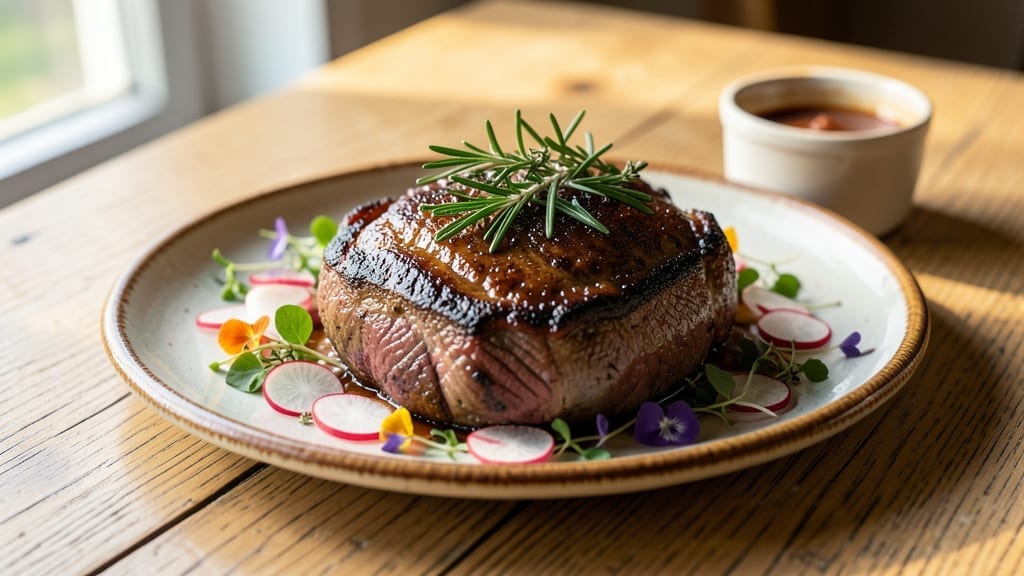
This beef brisket steak recipe delivers the kind of melt-in-your-mouth tenderness that transforms tough cuts into a showstopping centerpiece. The secret lies in a precise balance of slow cooking and careful timing—whether you’re working with a thick brisket or a steak cut—that ensures every bite is perfectly tender.
After years of perfecting this method, I’ve developed a foolproof approach that delivers restaurant-quality results at home, even for those new to slow cooking.
The foundation starts with a simple dry rub that enhances the natural beef flavor without overpowering it, followed by a controlled cooking process that breaks down the connective tissue for that signature fall-apart texture.
What sets this recipe apart is the attention to temperature control—cooking low and slow until the internal temperature reaches 203°F, where the collagen dissolves into rich, velvety juices. This method isn’t just about time; it’s about patience and precision.
By the time you’re done, you’ll have a brisket steak that’s so tender it practically falls apart at the touch, with a deep, smoky flavor that pairs beautifully with classic sides like roasted potatoes or caramelized onions.
The result is a dish that feels like a celebration—whether you’re feeding a crowd or treating yourself to a special meal. Let’s get started on creating this masterpiece.
This recipe works equally well for traditional brisket cuts or steak slices, making it versatile for any occasion. The key is adapting the cooking time to the thickness of your cut, ensuring perfect doneness every time. Once you master this technique, you’ll never settle for anything less than melt-in-your-mouth perfection.
Ingredients for beef brisket steak
Twelve ingredients transform tough beef into melt-in-your-mouth perfection. Simple rub, slow cook, done.
| Ingredient | Amount | Notes |
|---|---|---|
| Beef Brisket (whole or sliced) 🥩 | 4 lb | Flat cut preferred, trimmed of fat |
| Brown Sugar 🍚 | ½ cup | Packed for sweetness |
| Smoked Paprika 🌶️ | 2 tbsp | Sweet or hot variety |
| Garlic Powder 🧄 | 1 tbsp | Freshly ground preferred |
| Onion Powder 🧅 | 1 tbsp | Fresh ground preferred |
| Black Pepper 🌶️ | 1 tbsp | Freshly ground for best flavor |
| Salt 🧂 | 1 tbsp | Kosher or sea salt |
| Olive Oil 🫒 | ¼ cup | Extra-virgin for richness |
| Apple Cider Vinegar 🍎 | 2 tbsp | For tenderizing |
| Beef Broth 🍲 | 1 ½ cups | Low-sodium preferred |
| Dry Mustard 🌿 | 1 tbsp | For depth of flavor |
| Chicken Bouillon Cubes 🍗 | 2 whole | For umami boost |
[recipe_ingredient_scaler]
The beef is everything here. Flat-cut brisket is ideal—it cooks faster than point cut and stays juicy. Trim the fat cap to about 1/4-inch thick for even cooking. I always buy mine from Whole Foods or my local butcher—they’ll slice it for you, saving time. Look for marbled beef with visible fat streaks; that’s where the flavor lives. If you’re short on time, pre-sliced brisket works too, just adjust cooking time by 15-20 minutes.
No apple cider vinegar? Lemon juice or Worcestershire sauce will tenderize just as well. Want extra smokiness? Add 1 tbsp liquid smoke to the dry rub. Dried herbs work in a pinch—dried thyme or rosemary at half the amount of fresh. The beef broth can be low-sodium, but if you’re using salted, cut back on the salt in the rub. For a quicker option, swap the slow cook for a slow cooker on low for 8 hours—just keep an eye on the temperature.
This keeps beautifully for 4 days in the fridge, but honestly, it tastes even better the next day. For long-term storage, portion and freeze for up to 3 months. I like to reheat slices in a skillet with a splash of beef broth—it revives the juices perfectly. Leftovers make amazing sandwiches or tacos. The dry rub? Store in an airtight jar for up to 6 months—just add a pinch of salt if it’s been a while.
Why You’ll Love This Recipe
- No-Fuss Smoking: I’ll admit, I used to avoid brisket because I thought it required hours of babysitting. But this recipe? Just 6-8 hours at 225°F, and you’re done. The butcher paper wrap during the stall (that’s the 4-5 hour pause where everything seems stuck) is the real secret—no stress, just set it and forget it until the probe slides in like butter.
- Sweet-Smoky Payoff: That half cup of brown sugar isn’t just decoration—it caramelizes into a sticky, smoky crust while the smoked paprika and garlic powder work their magic from the inside out. The apple cider vinegar in the marinade? It tenderizes the meat so the brisket falls apart when you tug at it, but not so soft it’s mushy. Chef’s kiss.
- Leftovers That Outshine the Main: Serve it up for game day, but honestly, this brisket tastes even better the next day. I’ll slice it into sandwiches with a smear of mustard, or shred it into tacos with pickled onions—still delicious, still impressive. Four days in the fridge, and it’s still my go-to when I’m craving something hearty but lazy.
- Budget’s Best Kept Secret: A 4-pound brisket is cheaper than you think, and with just 12 ingredients (most of which you already have), it’s a steal. The chicken bouillon cubes and beef broth add depth without costing extra, and the brown sugar? A little goes a long way. Feeds a crowd for under $15, and everyone asks for seconds.
Step-by-step instructions for slow-smoked beef brisket
Here’s how to transform tough brisket into melt-in-your-mouth perfection using just 12 simple ingredients.
Prepare the Brisket with Dry Rub
Start by trimming any excess fat from the 4 lb beef brisket, leaving about ¼-inch thickness on the fat cap. This helps create that beautiful bark while keeping the meat tender. Pat the brisket dry with paper towels – you want it completely dry so the rub adheres properly and the smoke can penetrate evenly.
In a small bowl, combine the ½ cup packed brown sugar, 2 tbsp smoked paprika, 1 tbsp garlic powder, 1 tbsp onion powder, 1 tbsp black pepper, and 1 tbsp salt. Mix until completely uniform. Here’s the thing – don’t be shy with the seasoning. Press the rub firmly into every surface of the brisket, including the fat cap and cavity. This ensures maximum flavor penetration and creates that coveted crust.
Let the seasoned brisket sit at room temperature for 1 hour before cooking. This allows the rub to penetrate and the meat to cook more evenly from edge to center. I know it seems like a long wait, but this step makes all the difference in achieving perfectly tender results.
Create the Tenderizing Marinade
While the brisket rests, prepare the marinade in a separate bowl. Combine the ¼ cup extra-virgin olive oil, 2 tbsp apple cider vinegar, 1½ cups low-sodium beef broth, 1 tbsp dry mustard, and 2 chicken bouillon cubes. Stir until the bouillon cubes are completely dissolved – you should have a smooth, flavorful liquid.
Here’s where it gets interesting – the apple cider vinegar and chicken bouillon cubes work together to tenderize the meat while adding depth of flavor. The vinegar helps break down muscle fibers, while the bouillon cubes contribute that essential umami boost that makes this brisket truly special. This marinade will be used later to baste the brisket during cooking.
Smoke the Brisket Low and Slow
Preheat your smoker to 225°F using your preferred wood (hickory or oak work beautifully). Place the seasoned brisket fat-side up on the smoker grate. The fat will render and baste the meat as it cooks, creating that perfect balance of texture and moisture.
Smoke the brisket uncovered for 6-8 hours, maintaining a consistent temperature of 225°F. This is where the magic happens – the low and slow cooking process breaks down the tough connective tissues, transforming them into rich, gelatinous juices that make the meat fall apart tender. I’ve found that your oven might run hot, so use a reliable meat thermometer to monitor the internal temperature.
After about 4-5 hours of smoking, you’ll notice the internal temperature hitting around 165°F. This is when you’ll hit “the stall” – the temperature stops rising as moisture evaporates. Don’t panic; this is completely normal. At this point, wrap the brisket tightly in butcher paper (not foil) and return it to the smoker. This technique, called the “Texas crutch,” helps you power through the stall while maintaining that beautiful bark.
Finish Cooking and Rest
Continue smoking the wrapped brisket until the internal temperature reaches 200-205°F and a probe slides in like butter with no resistance. This usually takes another 3-5 hours, but trust the probe test over the thermometer – tenderness matters more than temperature. The brisket should have a deep mahogany bark on the outside and a beautiful pink smoke ring just beneath.
Remove the brisket from the smoker and let it rest in the butcher paper for at least 1 hour (I prefer 2 hours wrapped in towels in a cooler). This resting period allows the juices to redistribute throughout the meat, ensuring every slice is moist and flavorful. Don’t skip this step – I learned the hard way that cutting into brisket too soon results in dry, disappointing slices.
Serve with Perfectly Balanced Flavor
Unwrap the brisket and slice it against the grain into ¼-inch thick slices. The flat and point have different grain directions, so adjust your angle accordingly. Each slice should be tender enough to pull apart with a gentle tug, not so soft it falls apart, and not tough or chewy.
Serve the brisket immediately while still warm. The rich, smoky flavor combined with the sweet and savory rub creates a perfect balance. For extra flavor, spoon some of the marinade from the smoker pan over the top before serving. This brisket delivers on its promise of tender, fall-apart perfection that will impress even the most discerning guests.
Pro Tips For Making Beef Brisket Steak
- Trim the Fat Cap: Leave about ¼-inch of fat on the brisket—this isn’t about excess, it’s about flavor and moisture. I used to trim it all off, thinking I was being efficient, but that fat renders into the meat during smoking, keeping it juicy and adding richness. Trust the recipe here.
- Press the Rub Hard: Don’t just sprinkle the rub—dig your fingers into the brisket and work it into every crevice, especially the fat cap and cavity. I’ve seen people skip this, and their brisket ends up with patchy seasoning and weak flavor. Take the extra 5 minutes; your taste buds will thank you.
- Don’t Rush the Rest: That 1-hour rest before slicing isn’t optional—it’s non-negotiable. I’ve cut into brisket too soon, and the juices pool on my plate instead of in the meat. If you’re impatient, wrap it in towels and let it sit in a cooler for 2 hours. Your slices will be juicier and more tender.
- Use Butcher Paper, Not Foil: When you hit the stall and wrap the brisket, grab butcher paper instead of foil. Foil traps steam and softens the bark; butcher paper lets the brisket breathe while keeping it moist. I’ve tried both, and the difference in texture is noticeable—stick with the paper for that perfect crust.
Serving suggestions for beef brisket steak
Classic Side Pairings
Roasted garlic mashed potatoes are my go-to side—the creamy texture and garlicky depth complement the smoky brisket beautifully. Mash 4 cups cooked Yukon gold potatoes with ½ cup whole milk, ¼ cup butter, and 3 roasted garlic cloves for a rich, velvety finish.
The starchiness helps balance the brisket’s bold flavors. 🥔
Smoky Sides to Elevate
Caramelized onions take this dish to another level. Sauté 4 large yellow onions in 2 tbsp olive oil over low heat for 45 minutes, stirring occasionally, until deeply browned. The sweetness cuts through the smokiness while adding texture. I often drizzle them with balsamic glaze for extra depth. 🧅
Fresh and Bright Contrasts
A simple kale and apple salad adds freshness to cut through the richness. Toss 6 cups chopped kale with 2 diced apples, ¼ cup apple cider vinegar, 2 tbsp olive oil, and 1 tbsp honey.
The crispness and acidity make each bite of brisket feel balanced and refreshing. 🍎
Sauce and Drizzle Finishes
For extra indulgence, drizzle peppercorn sauce over your brisket. Simmer 1 cup beef broth, 2 tbsp Dijon mustard, 1 tbsp whole grain mustard, and 1 tbsp black peppercorns for 10 minutes. Strain and drizzle generously—it adds a tangy, peppery kick that enhances the smoky notes. 🌶️
Bread and Buns for Serving
Serve your brisket on crusty Texas toast or buttery brioche buns for sandwiches. Toast the bread until golden, then slather with garlic butter before assembling. The buttery, soft texture contrasts perfectly with the tender meat. I love adding a slice of pickled jalapeño for heat. 🍞
Nutrition facts
Frequently asked questions
Why does this recipe use a dry rub instead of marinating?
The dry rub creates a flavorful crust while allowing the meat to maintain its natural juices. Unlike marinades that can make meat mushy, this method enhances the bark while keeping the inside tender. The 1-hour room temperature rest ensures the rub penetrates deeply for maximum flavor without over-moistening the meat. This balance is key for that perfect texture!
Can I use a regular oven instead of a smoker?
Yes! For oven cooking, wrap the seasoned brisket in foil with the marinade and bake at 275°F for 6-8 hours, flipping halfway. The foil traps moisture, mimicking the smoker’s effects. Just check the internal temperature with a probe—it should reach 203°F for perfect tenderness. The bark won’t be as crispy, but the meat will still be melt-in-your-mouth!
What if my brisket hits “the stall” and stops rising?
Don’t worry—this is normal! The stall happens around 165°F as moisture evaporates. Wrap the brisket in butcher paper (not foil) and return it to the smoker. This “Texas crutch” helps it finish cooking while keeping that delicious bark intact. Patience is key—just keep an eye on the temperature and let it cook until it reaches 200-205°F.
How do I know when the brisket is fully cooked?
Use a meat thermometer to check the thickest part of the brisket. It should reach 200-205°F, and a probe should slide in like butter with no resistance. The meat should also have a beautiful pink smoke ring just beneath the surface. If unsure, trust the probe test over the thermometer—tenderness matters most!

Trained in classic French technique but raised on slow-cooked ribs and spicy rubs, she blends culinary skill with smoke and soul.
- Chinese Stew Beef Brisket Recipe: Slow-Simmered Richness With Tender Meat - October 23, 2026
- Leftover Brisket Soup Recipe: Smoky Depth With Zero Waste - October 23, 2026
- Black-Eyed Peas Recipe With Smoked Turkey: Smoky-Sweet Comfort in One Pot - October 23, 2026