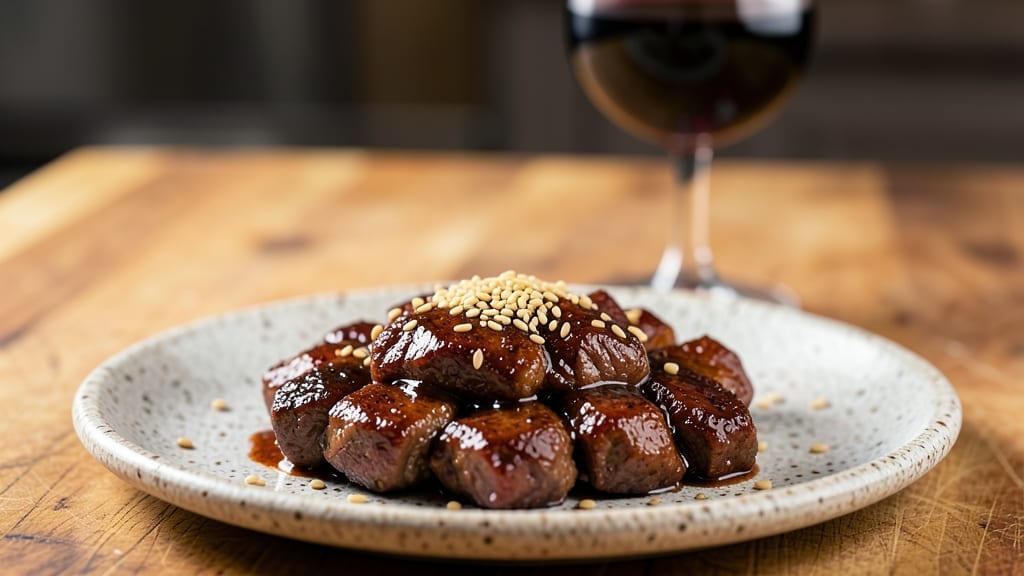
Mastering the perfect beef galbi marinade transforms tough beef ribs into tender, caramelized perfection—this sweet-soy glaze is the secret weapon I perfected after years of experimenting with Korean BBQ techniques.
The balance of soy sauce, brown sugar, and sesame oil creates a sticky, aromatic marinade that caramelizes beautifully during grilling, locking in deep umami flavors while keeping the meat juicy.
I developed this recipe after riding my vintage motorcycle to a remote mountain butcher shop where I found the ideal cut of beef for galbi.
What sets this marinade apart is its precision—each ingredient plays a crucial role in achieving that signature Korean BBQ flavor. The soy sauce provides the salty foundation, while brown sugar caramelizes into a glossy, sticky glaze that clings to the meat.
Garlic, ginger, and sesame oil add aromatic depth, and a splash of rice wine ensures the marinade penetrates deeply. This isn’t just a marinade; it’s a flavor multiplier that elevates simple beef into something extraordinary.
The result is beef galbi with a glossy caramelized crust, tender meat that falls apart easily, and a sauce that’s rich yet balanced—sweet, salty, and umami all in one bite.
The marinade works best when applied overnight, allowing the flavors to meld completely, but even a few hours makes a noticeable difference. Store leftovers in an airtight container in the fridge for up to a week, making it perfect for meal prep or spontaneous grilling sessions.
This marinade isn’t just for galbi—it works beautifully on short ribs, flank steak, or even chicken thighs. Whether you’re grilling over charcoal, searing in a cast-iron skillet, or slow-roasting in the oven, the key is patience and attention to the caramelization process.
Let’s get started on creating a marinade that will make your taste buds sing.
Ingredients for beef galbi marinade
A symphony of flavors in just ten ingredients—this marinade transforms tough beef into melt-in-your-mouth perfection.
| Ingredient | Amount | Notes |
|---|---|---|
| Korean Soy Sauce 🍶 | ½ cup | High-quality, reduced variety |
| Light Brown Sugar 🍬 | ½ cup | Packed, no substitutes |
| Sesame Oil 🫒 | 2 tbsp | Toasted sesame oil preferred |
| Rice Wine 🍶 | ¼ cup | Dry, not sweet variety |
| Garlic Cloves 🧄 | 6 cloves | Freshly minced, no pre-minced |
| Fresh Ginger 🌿 | 2 tbsp | Grated, not powdered |
| Asian Pearl Onions 🧅 | 1 whole | Thinly sliced, not chopped |
| Gochugaru (Korean Red Pepper Flakes) 🌶️ | 1 tbsp | Adjust for heat preference |
| Sesame Seeds 🌰 | 1 tbsp | Toasted, for garnish |
| Black Peppercorns 🌶️ | ½ tsp | Freshly cracked, not ground |
[recipe_ingredient_scaler]
The Korean soy sauce is non-negotiable here—Lee Kum Kee or Doenjang brands deliver that authentic depth. Grab the reduced variety if available, as it intensifies the umami punch. Light brown sugar caramelizes beautifully, but pack it tightly—don’t scoop it. Toasted sesame oil (not the cheap, flavorless kind) adds that nutty aroma that’s essential. I always double-check the label for ‘100% sesame oil’—no additives. For rice wine, Mirin works in a pinch, but authentic Korean rice wine (like Jinro) gives that subtle sweetness without overpowering. Fresh ginger and garlic are musts—powdered versions just don’t cut it. The Asian pearl onions? Thinly slice them—they’ll soften during marinating and add texture.
No Korean soy sauce? Japanese soy sauce plus 1 tsp sugar gets you close, though the flavor won’t be identical. Swap brown sugar for white sugar plus 1 tsp molasses if that’s all you’ve got. Sesame oil missing? Toasted peanut oil adds a similar nuttiness, though the flavor profile shifts slightly. Fresh ginger or garlic unavailable? Double the powdered version, but know it won’t be as vibrant. Gochugaru hard to find? Substitute cayenne plus 1 tsp paprika for color, but the heat will be more intense. The black peppercorns? Crack them fresh with a mortar and pestle if you’re feeling fancy—pre-ground loses its punch quickly. Pro tip: Toast your sesame seeds in a dry pan for 30 seconds before adding to the marinade for extra depth.
This marinade keeps beautifully—up to 2 weeks in the fridge once opened, though it’s best used within 10 days for peak flavor. Store it in a glass jar with a tight seal to preserve the aromatics. For long-term storage, freeze portions in ice cube trays—thaw overnight in the fridge before using. The caramelized glaze develops best when marinated overnight**, but even 4 hours makes a noticeable difference. If you’re prepping for a crowd, double the batch—this marinade is too good to hoard. And trust me, leftovers taste even better the next day as the flavors meld.
Why You’ll Love This Recipe
- No-Fuss Marinating: Honestly, this marinade is that kind of easy—just blend the garlic, ginger, and onions into a paste, whisk the soy sauce and sugar until smooth, then fold everything together. No fancy gadgets, no stress. I’ve done it while waiting for my coffee to brew.
- Sweet-Savory Magic: The way the brown sugar caramelizes during cooking? Chef’s kiss. That’s the kind of glaze that turns simple beef into something dangerously good—sweet, salty, and just a whisper of heat from the gochugaru. Trust me, one bite and you’ll forget to breathe.
- Weeknight Hero: Between work and errands, I don’t have time for complicated meals. This marinade lets me prep the beef ahead (up to 12 hours!) and throw it on the grill or pan while I’m watching my favorite show. My date night? My lazy Sunday? This does it all.
- Budget-Friendly Flavor Bomb: You’d never guess how much flavor you get for the price of these ingredients. A single batch costs me less than $10, but it makes enough marinade for multiple meals—plus, the leftovers keep for two whole weeks. That’s a steal for beef this good.
Step-by-step instructions for beef galbi marinade
This marinade transforms simple ribeye into melt-in-your-mouth perfection with deep caramelized flavors.
Prepare the Aromatic Base
In a medium bowl, combine the 6 garlic cloves and 2 tablespoons fresh ginger using a microplane or fine grater. The goal is to create a paste-like consistency that will infuse every layer of the beef. I like to press the garlic and ginger against the grater with the flat side of my knife blade to maximize surface area and release those essential oils.
Add the 1 Asian pearl onions, thinly sliced into perfect ¼-inch rounds. The onions should be translucent and crisp – no need to cook them yet. Here’s the thing – these onions will caramelize beautifully during the marinating process, adding another dimension of sweetness to the glaze.
Build the Sweet-Savory Marinade
In a separate bowl, whisk together the ½ cup Korean soy sauce and ½ cup light brown sugar until the sugar fully dissolves. This mixture should be smooth with no grainy texture remaining. The sugar will caramelize during cooking, creating that signature glossy glaze that makes galbi so irresistible.
Add the ¼ cup rice wine and 2 tablespoons sesame oil, whisking gently to combine. The wine adds brightness that cuts through the richness of the beef and sugar. I always use dry rice wine here – sweet varieties would throw off the balance. Pour this liquid mixture into the bowl with the aromatic paste and stir vigorously to fully incorporate.
Incorporate Heat and Finish the Marinade
Add the 1 tablespoon gochugaru (Korean red pepper flakes) and ½ teaspoon freshly cracked black peppercorns to the mixture. The gochugaru provides that signature Korean heat while the peppercorns add depth. I like to crush the peppercorns between my fingers first to release their oils before adding them to the marinade.
Finally, give everything a thorough stir to ensure even distribution. The marinade should have a rich, aromatic scent with notes of garlic, ginger, and a subtle sweetness from the brown sugar. This is your perfect balance – sweet, savory, umami, and just a hint of spice. Let the mixture sit at room temperature for 10 minutes before using to allow the flavors to meld completely.
Apply and Marinate the Beef
Pat the beef galbi dry with paper towels – this is crucial for proper caramelization. The drier the surface, the better the glaze will adhere and develop that beautiful crust. Apply half of the marinade directly to the beef, using your hands to massage it into every crevice and surface.
Place the marinated beef in a resealable plastic bag or airtight container, pour the remaining marinade over the top, and seal completely. Here’s the key – marinate for at least 4 hours at refrigerator temperature, but I prefer 8-12 hours for maximum flavor penetration. The longer it marinates, the more tender and flavorful the beef will become.
Pro Tips For Making Beef Galbi Marinade
- Whisk Until Smooth: Don’t just stir the soy sauce and brown sugar—actually whisk it until the sugar dissolves completely. I’ve seen grainy bits ruin an otherwise perfect glaze, and that’s the last thing you want clinging to your beef. A smooth marinade means a silky, caramelized crust later.
- Grate Garlic Like a Pro: Skip the mincer—use a microplane or fine grater and press the garlic cloves with your knife blade to release those oils. Pre-minced garlic loses its punch, and you’ll end up with a marinade that tastes like it’s missing something. This step makes the difference between “good” and “unforgettable.”
- Don’t Skip the 10-Minute Rest: Let the marinade sit at room temperature for those 10 minutes before using it. I know, you’re eager to get cooking, but this lets the garlic, ginger, and gochugaru mellow out and blend properly. Rushing it means the flavors will fight each other instead of harmonizing.
- Double-Check the Onion Slices: Thinly slice those Asian pearl onions—no thicker than ¼-inch rounds. Thick slices won’t caramelize evenly during marinating, and you’ll end up with chewy bits instead of sweet, jammy perfection. Take the extra 30 seconds to get them right.
Troubleshooting this dish
Marinade Too Thin?
If your marinade looks watery after whisking, it’s likely from using pre-minced garlic or ginger or insufficient sugar dissolution. I always use freshly minced garlic and grated ginger—they release oils that thicken the marinade naturally.
For sugar, stir vigorously until fully dissolved or warm the mixture gently in a saucepan for 30 seconds to help it integrate. A thin marinade won’t cling well to the beef, so add 1 tablespoon cornstarch mixed with 2 tablespoons water to thicken it before applying. 🔥
Meat Not Tender Enough
Short on marinating time? The beef needs at least 4 hours to absorb flavors, but 8-12 hours is ideal.
If you’re in a rush, use a meat mallet to tenderize the beef before marinating, or apply the marinade directly to the surface and let it sit for 2 hours in the fridge. Pro tip: Freeze the beef for 24 hours before marinating—this breaks down fibers and boosts tenderness.
Gochugaru Too Strong?
Gochugaru can be intense, especially if you’re sensitive to heat. Reduce it to ½ tablespoon and add ¼ teaspoon smoked paprika for depth without the burn. Alternatively, let the marinade sit for 10 minutes after adding it—this allows the flavors to mellow slightly.
I’ve found that toasting the gochugaru in a dry pan for 30 seconds before mixing also mellows the heat. 🌶️
Marinade Separating?
Separation usually happens when ingredients aren’t fully emulsified. After whisking the soy sauce and sugar, let the mixture sit for 5 minutes before adding the garlic, ginger, and onions. This gives the sugar time to dissolve completely.
If it still separates, blend the mixture briefly with an immersion blender for 10 seconds to combine everything. I’ve also noticed that adding 1 teaspoon fish sauce helps bind the ingredients together.
Glaze Not Caramelizing?
The glaze should caramelize beautifully during grilling, but if it’s sticking instead, pat the beef extra dry and let it sit at room temperature for 30 minutes before cooking. This ensures proper Maillard reaction. For extra stickiness, brush the beef with 1 tablespoon honey after applying the marinade.
I also recommend cooking over medium-high heat for the first 2 minutes to help the glaze set before moving to indirect heat. 💛
Nutrition facts
Frequently asked questions
Why does this marinade need fresh garlic and ginger?
Fresh garlic and ginger release essential oils that thicken the marinade naturally and add vibrant flavor. Pre-minced versions lack these oils, leaving the marinade thin and watery. The oils also help the marinade cling better to the beef, ensuring deeper flavor penetration.
Can I use this marinade on other meats besides beef?
This sweet-soy glaze works beautifully on short ribs, flank steak, or even chicken thighs. The balance of flavors makes it versatile for grilling, pan-searing, or slow-roasting. Just adjust the marinating time slightly—chicken benefits from 2-3 hours while tougher cuts like ribs need 8-12 hours.
What if I don’t have gochugaru (Korean red pepper flakes)?
No problem! Mix ½ tablespoon cayenne pepper with ¼ teaspoon smoked paprika for similar heat and depth. For a milder option, reduce the gochugaru to ½ tablespoon and add ¼ teaspoon cinnamon to complement the sweetness. The key is balancing heat without overpowering the other flavors.
How do I prevent the marinade from sticking to the container?
Line your container with plastic wrap or use a silicone spatula to spread the marinade evenly. For extra non-stick action, lightly grease the container with 1 teaspoon sesame oil before adding the marinade. This ensures easy removal and keeps flavors intact for your next use.
Can I make this marinade ahead of time?
Yes! Prepare the marinade up to 5 days ahead and store it in a sealed glass jar in the fridge. The flavors deepen over time, making it even more delicious. Just give it a good stir before using. For longer storage, freeze in portions—thaw overnight in the fridge before applying to meat.

Trained in classic French technique but raised on slow-cooked ribs and spicy rubs, she blends culinary skill with smoke and soul.
- Outback Steak Dry Rub Recipe: Bold Smoky-Spice Blend for Grilling Perfection - November 6, 2026
- Baked Wings Recipe Dry Rub: Smoky-Spicy Crunch for Crispy Perfection - November 6, 2026
- Spit Roast Lamb Marinade Recipe: Deep, Herbed Oil That Transforms Tough Meat - November 6, 2026