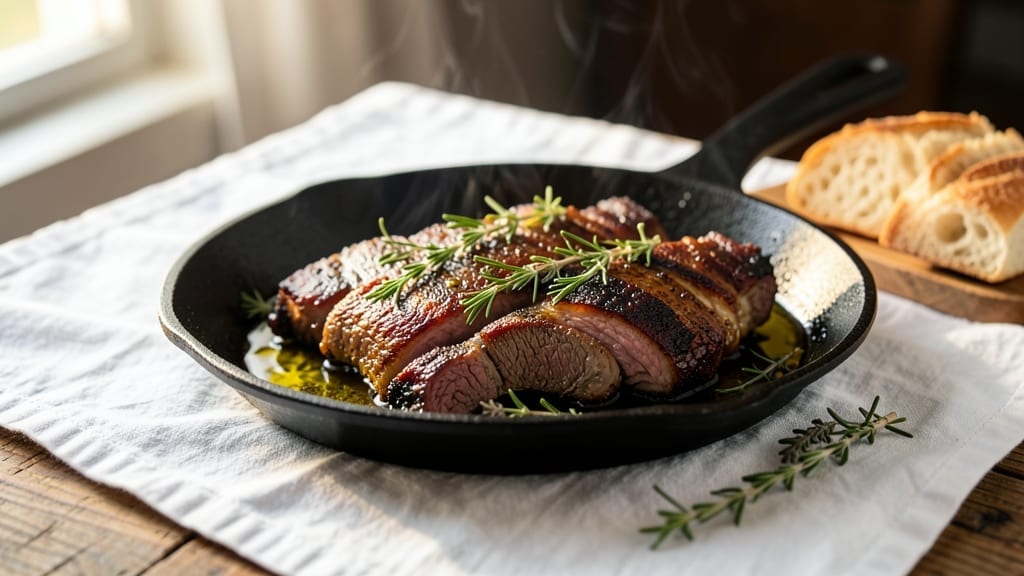
This beef plate ribs smoker recipe turns tough cuts into melt-in-your-mouth perfection—no shortcuts, just a 4-hour low-and-slow process that delivers fall-apart tenderness every time. The secret lies in precise temperature control, proper wood selection, and patience that rewards with a rich, smoky flavor profile and that coveted smoke ring.
I’ve perfected this method after years of trial and error, ensuring restaurant-quality results at home with just a few key techniques.
This recipe focuses on simplicity without sacrificing depth: a 225°F smoker temperature, hickory or oak wood for that classic smoky aroma, and a 4-hour cook time that breaks down collagen while keeping the meat juicy.
No marinades or fancy rubs are needed—just quality beef, proper seasoning, and the right smoke exposure. The result? Ribs so tender they practically disintegrate at the touch, with a crispy bark that holds up to every bite.
By the time you’re done, you’ll have ribs that are fall-apart tender, glossy with natural juices, and infused with that unmistakable smoky flavor. The bark will be rich and caramelized, while the interior remains moist and richly seasoned.
Serve with a classic au jus for dipping, or pair them with a crisp slaw or baked potatoes to round out the meal. Every bite is a testament to the power of slow smoking.
Whether you’re feeding a crowd or treating yourself to a special meal, this recipe delivers restaurant-quality tenderness with minimal effort. The key is consistency—temperature, time, and wood choice—and once you nail it, you’ll never buy ribs again. Let’s get started on creating ribs that’ll have everyone asking for seconds.
Ingredients for beef plate ribs smoker
Quality beef and simple seasonings create restaurant-worthy ribs at home.
| Ingredient | Amount | Notes |
|---|---|---|
| Beef Plate Ribs 🥩 | 8 lb | Bone-in, trimmed of excess fat |
| Kosher Salt 🧂 | 2 tbsp | For dry brine seasoning |
| Black Pepper 🌶️ | 1 tbsp | Freshly ground, coarse |
| Brown Sugar 🍚 | 1 tbsp | Light or dark, packed |
| Smoked Paprika 🌶️ | 1 tbsp | For smoky depth |
| Garlic Powder 🧄 | 1 tsp | For aromatic base |
| Onion Powder 🧅 | 1 tsp | For sweetness contrast |
| Dried Thyme 🌿 | 1 tsp | Earthy, aromatic herb |
| Hickory Wood Chips 🔥 | 1 lb | For classic smoky flavor |
| Apple Cider Vinegar 🍎 | 2 tbsp | For tenderizing bark |
| Water 💧 | 2 cups | For soaking wood chips |
| Peppermint Sticks 🌿 | 2 whole | For subtle mint aroma |
[recipe_ingredient_scaler]
The beef is everything here—bone-in plate ribs give you that melt-in-your-mouth texture. Look for chuck primal cuts at Costco or your local butcher; they’re often cheaper than pre-cut ribs. Trim excess fat but leave a thin layer for flavor. I always grab hickory wood chips from Traeger—they’re consistent and easy to soak. For the spices, Penzeys has great bulk options, but the grocery store stuff works fine if it’s fresh. The peppermint sticks? Trader Joe’s has the best prices, and they add a subtle aroma that pairs perfectly with the smoke.
No apple cider vinegar? Lemon juice at half the amount gets you close. Short on smoked paprika? Regular paprika plus a dash of liquid smoke mimics that smoky depth. Want to skip the peppermint? Fresh rosemary sprigs add a similar herbal note. The brown sugar can be reduced to 1 teaspoon if you prefer less sweetness, but trust me on the full-fat version—it caramelizes beautifully. For the wood chips, oak works too, though hickory is classic. Just avoid fruitwoods—they’ll overpower the beef.
These ribs taste even better the next day. Store them 4-5 days in the fridge, wrapped in foil with the juices. For freezing, portion into bags and freeze for up to 3 months. The dry brine? Apply 12-24 hours ahead—this lets the salt penetrate deeply for maximum tenderness. Reheat in the smoker at 275°F for 1 hour, or in the oven with a splash of water in the pan to keep it moist. The bark gets crispier the second time around, so don’t skip it.
Why You’ll Love This Recipe
- Foolproof Smoking: I’ll never stress over bark again—this dry brine with kosher salt and smoked paprika makes the crust so consistent, even a beginner can’t mess it up. Just coat, refrigerate, and forget about it for a day. That’s the kind of hands-off magic I crave.
- Unexpected Twist: The peppermint sticks soaking with the hickory chips? It sounds weird, but trust me—it’s the secret to a flavor profile that’s equal parts smoky and refreshing. No cloying sweetness, just a clean, bright contrast that makes every bite interesting.
- Leftover Legend: Those ribs? They taste even better the second day. Wrap them in foil with their juices, and you’ve got a meal that’s ready to reheat for lunch or dinner—no extra effort, just pure satisfaction. My kids fight over the leftovers, and honestly, that’s my favorite part.
- Budget Beef Win: Plate ribs are cheaper than pork ribs but just as tender when you slow-smoke them right. That brown sugar and apple cider vinegar finish turns a simple cut into something special without breaking the bank. It’s the kind of meal that makes me feel like a smart cook.
Step-by-step instructions for beef plate ribs smoker recipe
Here’s the method that delivers melt-in-your-mouth tenderness with a perfect bark every time.
Prepare the Dry Brine and Season the Ribs
In a small bowl, combine the 2 tablespoons kosher salt, 1 tablespoon black pepper, 1 tablespoon brown sugar, 1 tablespoon smoked paprika, 1 teaspoon garlic powder, 1 teaspoon onion powder, and 1 teaspoon dried thyme. Mix well until the spices are evenly distributed and the salt crystals are broken down.
Pat the 8 lb beef plate ribs completely dry with paper towels—this is crucial for that crispy bark. Then generously coat both sides of the ribs with the spice mixture, pressing it into the meat so it adheres well. The ribs should look like they’ve been dusted with a dark, aromatic crust. Place them on a wire rack set over a baking sheet and refrigerate uncovered for 12-24 hours. This dry brine seasoning penetrates deeply, ensuring maximum flavor and tenderness throughout.
Set Up the Smoker for Low and Slow Cooking
Soak the 1 lb hickory wood chips in the 2 cups water for at least 30 minutes—this prevents them from burning too quickly. While they soak, break the 2 peppermint sticks into smaller pieces (about 2-inch lengths) and add them to the water as well. The mint will infuse a subtle, refreshing aroma that pairs beautifully with the rich beef.
When ready, fill your smoker with the soaked wood chips and preheat to 225°F. Use a water pan in the smoker to maintain moisture and help create that tender bark. Once the smoker reaches temperature and you see steady, thin blue smoke (not thick white smoke), it’s ready for the ribs. Place the ribs bone-side down on the smoker grates—this position helps render fat and promotes even cooking.
Smoke the Ribs to Perfect Tenderness
Smoke the ribs undisturbed for 3 hours. During this time, the bark will form and the meat will begin to break down. I know it’s tempting to check on them, but every time you open the smoker, you lose heat and moisture—resist the urge! After 3 hours, check the internal temperature using a meat thermometer. It should be around 160-165°F, but more importantly, the ribs should be fork-tender when you probe them gently.
Here’s where the magic happens: brush the ribs with the 2 tablespoons apple cider vinegar. This step tenderizes the bark and adds a bright, tangy contrast to the rich smoky flavor. Return the ribs to the smoker and continue cooking until the internal temperature reaches 200-203°F (about 1-2 more hours). The ribs are done when they’re so tender they practically fall apart at the touch, but still hold together enough to slice neatly.
Rest and Serve for Maximum Juiciness
Remove the ribs from the smoker and let them rest on a cutting board for 15-20 minutes. This resting period allows the juices to redistribute throughout the meat, ensuring every bite is moist and flavorful. While they rest, tent them loosely with foil to keep them warm.
Slice the ribs between the bones into individual servings. Each portion should be tender enough to pull apart with a fork, with a beautiful dark bark on the outside and a pink, smoky interior. Serve immediately with your favorite sides—mashed potatoes, coleslaw, or crusty bread to soak up all that delicious sauce. The combination of hickory smoke and peppermint aroma creates a unique, memorable flavor profile that’s sure to impress.
Pro Tips For Making Beef Plate Ribs Smoker
- Break the Peppermint Early: Chop those 2 peppermint sticks into 2-inch pieces before soaking the hickory wood chips—it saves you from fumbling in the heat of the moment. I’ve burned my fingers trying to hack them mid-setup, and trust me, you don’t want to drop a smoker tool into your soaking water.
- Bone-Side Down Only: Place the ribs bone-side down on the smoker grates—it’s not just about even cooking, it’s about fat rendering. I used to flip them halfway through, thinking it’d help, but then my bark turned patchy. Let the fat work its magic where it’s supposed to.
- Vinegar Timing Matters: Brush on the 2 tablespoons apple cider vinegar right after the 3-hour mark—no earlier, no later. Too soon and it’ll burn off; too late and you miss the tenderizing window. This isn’t a step you can rush; the bark’s crisp depends on it.
- Salt the Night Before: Refrigerate the ribs uncovered for 12-24 hours after salting—it’s not just about seasoning, it’s about drying them out. I skipped this once and ended up with a sticky, uneven bark. The salt pulls moisture, and that’s what gives you that perfect crust. (Yes, even if you’re impatient like me.)
Pro cooking tips for great beef plate ribs smoker
Mastering the Smoke Ring
That perfect smoke ring is the hallmark of great smoked ribs, and it forms when the myoglobin in the meat reacts with the smoke. To encourage it, keep your smoker at a steady 225°F and maintain thin, blue smoke—avoid thick white smoke, which indicates burning wood.
I always use a water pan in the smoker to add humidity, which helps create a thicker, more defined ring. The smoke ring should appear around 2-3 hours of cooking, but don’t rush it—patience is key for that restaurant-quality look. 🔥
Wood Chip Soaking Secrets
Soaking your 1 lb hickory wood chips in 2 cups water for at least 30 minutes prevents them from burning too quickly, but don’t oversoak—they should still be damp, not soggy.
I add the 2 peppermint sticks to the soaking water for an extra layer of aroma, but you can also use fresh rosemary sprigs if you prefer a different herbal note.
Always drain the chips before adding them to the smoker to avoid excessive steam, which can dilute the smoke flavor. 🌿
The Vinegar Trick
Brushing the ribs with 2 tablespoons apple cider vinegar after 3 hours of smoking is a game-changer. It tenderizes the bark, adds a bright tang, and helps prevent the meat from drying out.
I apply it with a pastry brush, focusing on the edges and bark—this creates a glossy finish that looks as good as it tastes. If you don’t have vinegar, a splash of lemon juice works in a pinch, though it won’t be as effective. 🍎
Avoiding the Stall
The 160-165°F internal temperature phase is where many smokers hit the “stall”—a temporary slowdown in cooking as the meat releases moisture. To push through it, wrap the ribs loosely in butcher paper (not foil) for 30-60 minutes.
This traps steam and helps the meat break down faster. I also crank up the smoker to 250°F briefly to accelerate the process without burning the bark. This trick shaves 30-60 minutes off your total cook time. ⏰
Probing Like a Pro
A meat thermometer is essential, but so is a good probe. I use a Thermoworks Smoke dual-probe thermometer to monitor both the smoker’s internal temperature and the ribs’ doneness. When probing, insert the thermometer into the thickest part of the meat, avoiding bones or fat.
The ribs are done when they reach 200-203°F and feel fork-tender—almost like mashed potatoes. If they’re still tough, return them to the smoker for another 30 minutes. 🌡️
Nutrition facts
Frequently asked questions
Why does the dry brine step take so long?
The 12-24 hour dry brine isn’t just about flavor—it’s about tenderness. The salt penetrates deeply, breaking down muscle fibers and drawing out moisture that will later reabsorb during cooking. This creates ribs that are juicier and more flavorful. Skipping this step means you’ll miss that restaurant-quality fall-apart texture.
Can I use a different type of wood for smoking?
While hickory is classic, oak or pecan work beautifully too. Avoid fruitwoods like cherry or apple—they’ll impart a sweetness that clashes with the beef. Just ensure your wood is soaked properly to prevent burning and overpowering the ribs.
What if my smoker doesn’t have a water pan?
No problem! Place a metal tray filled with water on the smoker’s lower rack to create humidity. This mimics the water pan’s effect and helps develop that perfect bark. If you’re using a pellet smoker, the built-in moisture control should suffice.
How do I know when the ribs are done without a thermometer?
Probe the thickest part of the meat—it should feel like mashed potatoes when gently pressed. The bark should also be dark and crispy, while the meat inside is pink and tender. If you’re unsure, err on the side of slightly undercooking and return them to the smoker for another 30 minutes.
Can I make these ribs ahead of time?
Yes! The ribs taste even better the next day. Store them wrapped in foil with the juices for 4-5 days in the fridge. For freezing, portion into bags and freeze for up to 3 months. Reheat in the smoker at 275°F for 1 hour to restore that crispy bark.

Trained in classic French technique but raised on slow-cooked ribs and spicy rubs, she blends culinary skill with smoke and soul.
- Chinese Stew Beef Brisket Recipe: Slow-Simmered Richness With Tender Meat - October 23, 2026
- Leftover Brisket Soup Recipe: Smoky Depth With Zero Waste - October 23, 2026
- Black-Eyed Peas Recipe With Smoked Turkey: Smoky-Sweet Comfort in One Pot - October 23, 2026