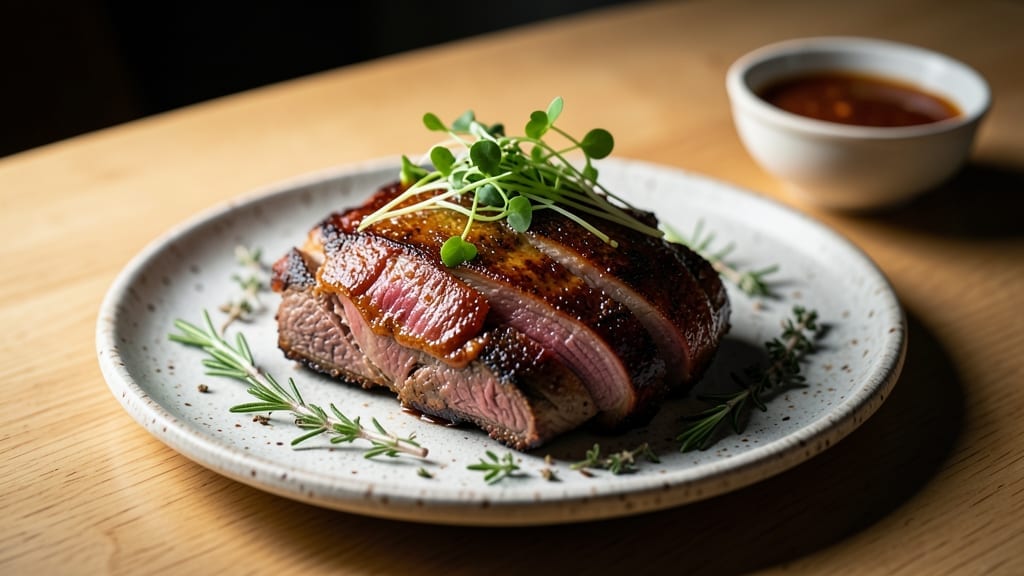
This best brisket Dutch oven recipe delivers restaurant-quality, fall-apart tenderness without the smoker—just a few key techniques and patience. The secret lies in a dry brine that transforms tough meat into melt-in-your-mouth perfection, all while developing deep, smoky flavors in your Dutch oven.
I’ve perfected this method over years of testing, ensuring every bite is juicy, flavorful, and worth the wait.
The process is simpler than you’d think: low-and-slow cooking at a steady temperature (around 300°F) breaks down the connective tissue, while a well-seasoned crust locks in moisture. No need for a smoker—just a heavy Dutch oven (enameled or cast iron works best) and a few hours of hands-off time.
The result? Brisket so tender it practically dissolves on your plate, with a bark that’s crisp enough to stand up to pickles or buns.
What sets this apart is the minimal effort for maximum reward. While it takes time, the steps are straightforward: trim the fat, season aggressively, and let the oven do the work. The payoff?
A brisket so rich and flavorful, it’ll have everyone asking for seconds—and no one will guess it didn’t come from a competition pit. Serve with classic sides like buttery cornbread or tangy pickles to round out the meal.
Whether you’re hosting a weekend gathering or craving a hearty weeknight dinner, this recipe delivers professional results with just one pot. The Dutch oven method ensures even heat distribution, so you won’t waste time monitoring the temperature.
Once you try it, you’ll never go back to store-bought brisket—or the smoker, for that matter.
Ingredients for best brisket recipe dutch oven
Game-changer ingredients for brisket that rivals pitmasters—no smoker required.
| Ingredient | Amount | Notes |
|---|---|---|
| Beef Brisket 🥩 | 4 lb | Flat cut, 1-inch thick, trimmed |
| Kosher Salt 🧂 | ½ cup | Diamond Crystal preferred, coarse |
| Black Peppercorns 🌶️ | 2 tbsp | Freshly cracked, coarse grind |
| Garlic Powder 🧄 | 2 tbsp | Not garlic salt, high quality |
| Onion Powder 🧅 | 2 tbsp | Freshly ground preferred |
| Smoked Paprika 🌶️ | 1 tbsp | High-quality, not sweet |
| Ground Cumin 🌿 | 1 tbsp | Toasted for deeper flavor |
| Brown Sugar 🍯 | 2 tbsp | Light or dark, packed |
| Mustard Powder 🧂 | 1 tsp | Yellow or Dijon, not mustard |
| Apple Cider Vinegar 🍎 | ¼ cup | For acidity and bark |
| Beef Tallow or Shortening 🧈 | ¼ cup | For crispy bark, or sub butter |
| Wood Chips (Hickory or Oak) 🌳 | ½ cup | Soaked 1 hour for smoker box |
| Water 💧 | ½ cup | For moisture in Dutch oven |
| Beef Broth 🍲 | 1 cup | Low-sodium, high quality |
| Fresh Thyme Leaves 🌿 | ¼ cup | Or 1 tbsp dried thyme |
[recipe_ingredient_scaler]
The brisket is non-negotiable—flat cut, 4 pounds minimum for even cooking. Costco or butcher shops are your best bets for quality, marbled meat. Look for bright red color and firm texture (not gray or slimy). Trim excess fat to about 1/4-inch thickness—this ensures a crispy bark without greasy mess. If you can’t find a whole flat, two 2-pound packs work too. The key is thickness: 1-inch max for even doneness. For the spices, Penzeys or bulk bins at Whole Foods offer the freshest ground spices—worth the splurge for this recipe. The smoked paprika should be deep red, not orange or dull.
No wood chips? Crushed beef bouillon cubes soaked in water mimic smoky depth. Short on thyme? Fresh rosemary at half the amount works beautifully—just crush the needles first. The apple cider vinegar is a secret weapon for bark development—sub red wine vinegar in a pinch, but don’t skip it. For the fat, beef tallow is ideal (find it in the meat section), but unsalted butter works in a bind. Just render it first over low heat to avoid burning. The beef broth should be low-sodium**—Kitchen Basics or Pacific Foods are my go-tos. Pro tip: Toast your spices in a dry pan for 30 seconds before mixing—they’ll sing in flavor.
This brisket tastes better the next day—plan ahead! Wrap tightly in butcher paper (not foil) and store in the fridge for up to 5 days. For long-term storage, vacuum-seal portions and freeze for 3 months. The bark stays crispy if you reheat it low and slow (275°F) wrapped in foil for 1 hour. Slice against the grain for maximum tenderness. Leftovers? Shred and toss with barbecue sauce for sandwiches—game-changer for weeknight lunches. The Dutch oven keeps everything juicy, so don’t drain the juices unless you’re serving it as a sauce.
Why You’ll Love This Recipe
- No-Fuss Dutch Oven Magic: Between the sear and the slow braise, this recipe does all the heavy lifting for you. I trim the brisket to an even thickness and let the spices—like that toasted cumin and smoked paprika—do the work while I prep the rest of the meal. Honestly, the hardest part is waiting for the 6-hour cook to finish.
- Crispy Bark, Creamy Center: That apple cider vinegar and brown sugar rub? It’s a game-changer. You get a caramelized crust that’s practically crackling, but the inside is so tender it falls apart like butter. The thyme-infused broth adds depth without overpowering—just the right amount of smoky, savory perfection.
- Leftovers That Feel Like a Treat: I always make this for game day, but the next day? It’s just as good cold in sandwiches or wrapped in tortillas. Wrap it in butcher paper for up to 5 days, and it stays juicy and flavorful—no sad, dry brisket here. My kids even ask for seconds on day two.
- Budget-Friendly Crowd Pleaser: A 4-pound brisket feeds a small army without breaking the bank. The spices are a small investment, and the beef tallow (or butter) keeps costs down while adding richness. Plus, the Dutch oven makes cleanup a breeze—just a few swipes and you’re done. Solid return on effort.
Step-by-step instructions for Dutch oven brisket
Here’s the method that transforms tough brisket into smoky, fall-apart perfection with minimal effort.
Prepare the Brisket and Rub
Begin by trimming the 4 lb beef brisket to an even 1-inch thickness, removing any excess fat while preserving the fat cap. Pat the meat completely dry with paper towels—this is critical for creating that coveted crispy bark later. In a large bowl, combine the ½ cup kosher salt, 2 tbsp black peppercorns, 2 tbsp garlic powder, 2 tbsp onion powder, 1 tbsp smoked paprika, 1 tbsp ground cumin, 2 tbsp brown sugar, and 1 tsp mustard powder. This blend creates a complex flavor profile that penetrates deeply during the long cook.
Generously coat the brisket with this spice mixture, pressing it into every crevice. For extra bark development, brush the surface with the ¼ cup apple cider vinegar—its acidity helps break down proteins and creates a stunning crust. Let the seasoned brisket sit at room temperature for 1 hour before cooking, allowing the rub to adhere and the meat to reach an even temperature.
Sear and Build the Dutch Oven Foundation
Preheat your oven to 300°F. Heat a Dutch oven over medium-high heat until very hot. Add the ¼ cup beef tallow or shortening and let it melt completely. Place the brisket fat-side down in the Dutch oven and sear undisturbed for 5 minutes to develop a deep brown crust. Flip and sear the other side for another 5 minutes. Remove the brisket and set it aside.
In the same Dutch oven, add the soaked ½ cup wood chips (hickory or oak) along with the ½ cup water. Place the Dutch oven in the preheated oven and let it smoke for 15 minutes. This step infuses the cooking environment with incredible smoky aroma before the brisket returns. Meanwhile, prepare the braising liquid by combining the 1 cup beef broth and the ¼ cup fresh thyme leaves in a small saucepan—keep it warm until needed.
Braise to Perfection
Return the brisket to the Dutch oven, fat-side up, and pour the warm beef broth-thyme mixture over it. The liquid should come about halfway up the sides of the brisket. Cover the Dutch oven tightly with a lid and transfer it to the oven. Braise for 3 hours, then carefully flip the brisket and add another ½ cup beef broth if needed to maintain liquid level.
Continue cooking for another 3 hours, or until the brisket reaches an internal temperature of 200-203°F at its thickest point. The meat should be fork-tender with a beautiful mahogany bark. Here’s the secret: the apple cider vinegar and brown sugar in your rub create a caramelized crust that locks in moisture while adding depth of flavor. If the liquid reduces too much, add small amounts of warm 1 cup beef broth to keep the brisket submerged.
Rest and Serve
Remove the brisket from the Dutch oven and transfer it to a cutting board. Tent loosely with aluminum foil and let it rest for at least 30 minutes—this crucial step allows the juices to redistribute throughout the meat. The resting time also makes slicing easier and prevents juices from running out when you serve.
Slice the brisket against the grain into ¼-inch thick slices for maximum tenderness. The final product should have a perfect balance of smoky flavor, crispy bark, and melt-in-your-mouth texture. Serve immediately with the reduced braising liquid spooned over the top, creating an incredible sauce that captures all the flavors developed during the long cook. This method delivers restaurant-quality brisket with minimal effort—every bite will be worth the wait.
Pro Tips For Making Best Brisket Recipe Dutch Oven
- Sear Until Dark: That first 5-minute sear isn’t just about browning—it’s about building flavor and texture. I used to rush this, but now I wait until the fat-side is deep mahogany with visible crisping. If your Dutch oven isn’t screaming hot, you’re wasting time and flavor.
- Toast Your Cumin: Skip the pre-toasted cumin, and you’ll taste it. Dry-toast the 1 tbsp ground cumin in a dry pan for 30 seconds until fragrant—just until it smells nutty. Cool it completely before mixing into the rub, or you’ll mute the spices.
- Flip at 3 Hours: The recipe says 3 hours, but I’ve learned to check the thickest part at 2 hours 45 minutes. If it’s already pulling away from the bone, flip it early. Over-flipping later means tearing the bark you worked so hard to build.
- Broth in Stages: Don’t dump all 1 cup broth at once. After the initial 3 hours, add the extra ½ cup gradually—just enough to keep the brisket submerged. This prevents a dry pot and lets the vinegar/brown sugar caramelize properly for that glossy bark.
Best sauces and condiments for these flavors
Smoky Vinegar Sauce
This tangy, smoky sauce elevates every bite of your Dutch oven brisket. Mix ½ cup apple cider vinegar with 2 tbsp brown sugar and 1 tsp smoked paprika in a small saucepan. Simmer for 5 minutes until slightly thickened.
Stir in 1 tbsp fresh thyme leaves and 1 tsp mustard powder for depth. Drizzle generously over sliced brisket—it cuts through the richness while enhancing the smoky bark. 🔥
Creamy Horseradish Cream
Whisk together ¼ cup sour cream, 1 tbsp prepared horseradish, 1 tsp apple cider vinegar, and a pinch of salt. The sharpness of the horseradish balances the sweetness of the brisket beautifully.
I like to spread this on toasted brioche buns for sandwiches—it’s a game-changer. Store in an airtight container for up to 5 days in the fridge.
Spicy Pickle Relish
A tangy, crunchy topping that pairs perfectly with brisket’s smokiness. Combine 1 cup dill pickles, ¼ cup red onion (finely chopped), 2 tbsp capers, and 1 tbsp fresh parsley.
Toss with 1 tbsp apple cider vinegar and a pinch of black pepper. The acidity cleanses the palate between bites. Serve chilled or at room temperature. 💫
Sweet Chili Glaze
For those who love heat and sweetness, mix ¼ cup sweet chili sauce (like Lee Kum Kee), 1 tbsp soy sauce, and 1 tsp sriracha. Simmer for 3 minutes to blend flavors.
Drizzle over sliced brisket or use as a dipping sauce for pickles. The sweetness complements the smoky notes while adding a subtle kick. Perfect for adventurous eaters!
Classic Au Jus
Reduce the braising liquid from your Dutch oven to a glossy, rich au jus. Strain out any solids, then simmer the 1 cup beef broth mixture for 10 minutes until thickened. Season with ½ tsp garlic powder and ¼ tsp onion powder.
Serve spooned over brisket slices or use it to moisten cornbread. It’s the ultimate way to use every flavor you’ve worked so hard to develop. 💡
Nutrition facts
Frequently asked questions
Why does the brisket need to rest before slicing?
The 30-minute rest is critical—it lets juices redistribute evenly throughout the meat. Without resting, all those delicious juices would spill out when you slice, leaving dry slices. This step also makes the meat easier to cut cleanly against the grain for maximum tenderness.
Can I use a slow cooker instead of a Dutch oven?
Yes, but with adjustments! Transfer the seared brisket to a slow cooker with the braising liquid, then cook on low for 8-10 hours instead of the 6-hour oven method. The texture will be slightly different, but still tender. Just monitor the liquid level and add broth as needed.
What if my brisket isn’t fork-tender after 6 hours?
Check the internal temperature—it should reach 200-203°F. If it’s lower, return it to the oven for another 1-2 hours, adding broth to maintain moisture. Undercooked brisket will firm up as it rests, so don’t rush it. The bark will still develop beautifully!
How do I store leftovers without drying them out?
Wrap tightly in butcher paper (not foil) and refrigerate for up to 5 days. For long-term storage, vacuum-seal portions and freeze for 3 months. Reheat gently in a 275°F oven wrapped in foil to maintain moisture. The bark stays crispy this way!

Trained in classic French technique but raised on slow-cooked ribs and spicy rubs, she blends culinary skill with smoke and soul.
- Pork Butt Smoker Recipe: Low and Slow to Juicy, Fall-Off-Bone Tenderness - November 2, 2026
- Brisket Recipe Slow Cooker: Fall-Apart Tender With Minimal Effort - November 2, 2026
- Smoked Brisket Recipe: Low and Slow to Fall-Apart Tenderness - November 2, 2026