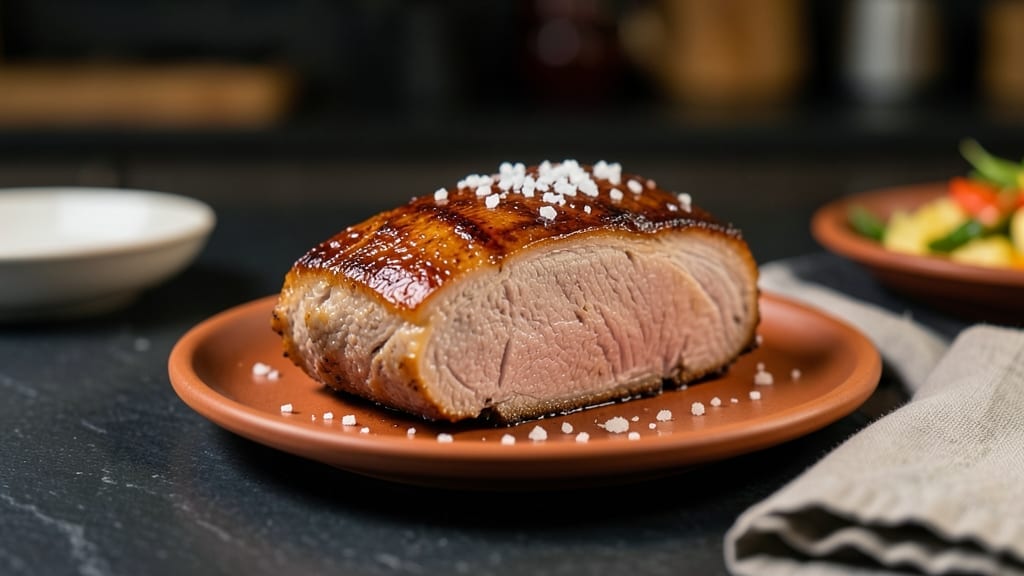
This is the best smoked pork shoulder recipe ever—the one that delivers fall-apart tenderness and crackling bark to turn casual smokers into serious pitmasters. After years of testing—including one memorable Thanksgiving where I nearly set off the fire alarm—I’ve perfected a method that guarantees juicy, flavorful meat every time.
The secret lies in patience and precision: low-and-slow smoking with a dry rub that develops deep, smoky layers while keeping the meat moist.
What sets this recipe apart is the three-stage cooking process: a dry rub that forms a caramelized crust, a controlled smoke that infuses flavor without overpowering, and a final rest that lets the juices redistribute.
You’ll need about 12 hours of active smoking time, but the results—meat so tender it practically melts in your mouth—make it worth every minute. The bark should crackle with each bite, revealing layers of smoky-sweet complexity beneath.
By the time you’re done, you’ll have a shoulder that shreds effortlessly, releasing juices that turn every bite into a flavor explosion. Serve it with classic sides like tangy coleslaw or baked beans, or let the meat shine on its own with just a sprinkle of fresh herbs.
This isn’t just another pork shoulder recipe—it’s the one that will have your guests begging for seconds and your name on their shortlist of go-to cooks.
Here’s the game-changer: never rush the rest. That final 30-60 minutes in a warm oven or insulated bag is what transforms good smoked pork into restaurant-quality masterpiece. Trust the process, and you’ll have a dish that rivals any competition-style pitmaster’s work—without the hours of practice. Let’s get smoking.
Ingredients for best smoked pork shoulder recipe ever
The secret to restaurant-quality smoked pork shoulder lies in these carefully chosen ingredients—where quality meets technique.
| Ingredient | Amount | Notes |
|---|---|---|
| Bone-In Pork Shoulder 🐖 | 6 lb | Bone-in for better flavor, trimmed of excess fat |
| Yellow Onion 🧅 | 1 whole | Yellow, sliced into rings for rub |
| Garlic Cloves 🧄 | 8 cloves | Fresh, minced for dry rub |
| Brown Sugar 🍯 | ½ cup | Light or dark, packed |
| Smoked Paprika 🌶️ | 2 tbsp | High-quality for smoky depth |
| Ground Black Pepper 🌶️ | 1 tbsp | Freshly cracked for sharpness |
| Kosher Salt 🧂 | 1 ½ tbsp | Diamond Crystal preferred |
| Ground Cumin 🌿 | 1 tbsp | Toasted for richer flavor |
| Mustard Powder 🍯 | 1 tbsp | Yellow or Dijon blend |
| Wood Chips (Hickory or Apple) 🌳 | 2 cups | Soaked for 30 minutes first |
| Apple Cider Vinegar 🍎 | 2 tbsp | For spritzing during smoke |
| Fresh Rosemary 🌿 | ¼ cup | Chopped, for bark development |
| Fresh Thyme 🌿 | ¼ cup | Leaves only, for aromatic depth |
[recipe_ingredient_scaler]
The pork shoulder is non-negotiable here. Look for a bone-in cut—it retains more moisture and flavor during the long smoke. Costco or your local butcher are the best bets for a well-marbled, fresh cut. Trim excess fat to about 1/4-inch thickness—this ensures even bark development without grease buildup. The onions and garlic in the rub should be freshly minced (not pre-chopped from the jar), and the smoked paprika makes all the difference—Penzeys or bulk bins at natural markets deliver the best quality. For the wood chips, hickory gives bold smoke while apple adds subtle sweetness—soak them for at least 30 minutes before using.
No smoked paprika? A blend of 1 tbsp regular paprika plus 1 tsp liquid smoke works in a pinch, but it won’t have the same depth. Fresh herbs wilt during smoking, so dried thyme at half the amount is a solid substitute (just rehydrate in warm water first). The brown sugar can be swapped for white sugar, but expect slightly less caramelization. For the vinegar spritz, apple juice vinegar is ideal, but white vinegar works too—just dilute with water if it’s too strong. The bark relies heavily on the fresh rosemary and thyme, so don’t skip them if you’ve got them (dried won’t cut it here).
This rub keeps well in an airtight container for up to 2 weeks—make extra for future smokes. The soaked wood chips can be prepped a day ahead and stored in a sealed bag in the fridge. Once smoked, the pork shoulder reheats beautifully—wrap tightly in foil and bake at 300°F for 2-3 hours until internal temp hits 165°F. The leftovers? Shred and freeze portions for up to 3 months—perfect for tacos, sandwiches, or pulled pork bowls later in the week.
Why You’ll Love This Recipe
- No-Fuss Flavor Bomb: The rub—with its caramelized brown sugar, sharp garlic, and smoky paprika—does all the work while you nap. I mix everything the night before, slap it on, and forget about it until the next morning. That’s not just lazy; it’s genius.
- Crispy Outside, Creamy Inside: You get that crackling bark from the rosemary and thyme barking in the smoker, but the meat? So tender it falls apart when you touch it. The apple cider vinegar spritzes keep it from getting rubbery—trust me, I’ve burned that bridge.
- Leftovers That Outshine Takeout: This feeds six people easily, and honestly, the second day is even better. Slice it thin, pile it on a bun with coleslaw, or shred it into tacos. My kids still beg for seconds even though they’ve had it three times this week.
- Budget-Friendly Meat Magic: A 6-pound bone-in pork shoulder costs less than a steak, but the flavor? Next-level. The wood chips and herbs add depth without breaking the bank, and that rub? You can double it for future smokes. It’s the kind of dish that makes you feel rich.
Step-by-step instructions for smoked pork shoulder
Here’s how to transform a tough cut into melt-in-your-mouth perfection with a crackling bark.
Prepare the Rub and Season the Pork
In a medium bowl, combine the sliced 1 yellow onion and 8 minced garlic cloves with the ½ cup brown sugar, 2 tbsp smoked paprika, 1 tbsp ground black pepper, 1½ tbsp kosher salt, 1 tbsp ground cumin, and 1 tbsp mustard powder. Mix thoroughly until the dry ingredients are evenly distributed and the onions and garlic are well coated.
Pat the 6 lb bone-in pork shoulder completely dry with paper towels—this is critical for bark development. Generously apply the rub mixture all over the pork, pressing it into the meat so it adheres well. Don’t skip this step; the rub needs time to penetrate and form that signature crust. Cover and refrigerate for at least 12 hours (overnight is ideal) to let the flavors meld.
Soak Wood Chips and Set Up the Smoker
Soak the 2 cups wood chips in water for 30 minutes to prevent burning. Drain and load them into your smoker, then preheat to 225°F using the soaked chips. I prefer hickory for a bold flavor or apple for a sweeter profile—both work beautifully here.
While the smoker heats, sprinkle the chopped ¼ cup fresh rosemary and ¼ cup fresh thyme into the bottom of the smoker pan. As the wood chips smoke, these herbs will infuse the air with aromatic depth, enhancing the bark and meat flavor. Once you see steady, thin blue smoke (not thick white vapor), your smoker is ready for the pork.
Smoke the Pork Shoulder Low and Slow
Place the rubbed pork shoulder fat-side up on the smoker grates. This positioning allows the rendered fat to baste the meat, keeping it moist during the long cook. Close the lid and maintain a consistent 225°F temperature—fluctuations can lead to uneven cooking.
Every 90 minutes, spritz the pork with 2 tbsp apple cider vinegar using a spray bottle. This step is non-negotiable; the acidity helps break down collagen and keeps the bark from becoming too hard. Smoke the pork for 10-12 hours until the internal temperature reaches 165°F—this is when you’ll hit “the stall,” where the temperature plateaus.
Wrap and Finish for Maximum Tenderness
When the pork hits 165°F, remove it from the smoker and wrap it tightly in butcher paper (not foil). This “Texas crutch” technique allows the meat to continue cooking while retaining moisture and developing that coveted bark. Return the wrapped pork to the smoker and cook until the internal temperature reaches 203°F—this ensures fall-apart tenderness.
Once done, transfer the pork to a cutting board and let it rest for 1 hour before slicing. This resting period allows the juices to redistribute, guaranteeing every bite is moist and flavorful. The bark should crackle when you press it, and the meat should pull apart effortlessly with a fork.
Pro Tips For Making Best Smoked Pork Shoulder Recipe Ever
- Toast Your Cumin First: I learned this the hard way—using raw cumin in your rub adds bitterness instead of warmth. Toast the 1 tbsp ground cumin in a dry pan over medium heat for 30 seconds until fragrant, then cool before mixing. It’s that extra step that makes the flavor sing.
- Spritz Like a Pro: The 2 tbsp apple cider vinegar every 90 minutes isn’t just about moisture—it’s about control. Use a spray bottle with a fine mist, not a stream, so the bark stays crispy without turning soggy. (Yes, even if you’re impatient like me.)
- Don’t Rush the Stall: Hitting 165°F and wrapping is where the magic happens, but don’t panic if the temp drops. The pork needs time to recover and push to 203°F—rushing it back to the smoker too soon means tough, dry meat. Give it 15 minutes wrapped before checking again.
- Prep Wood Chips Ahead: Soaking the 2 cups wood chips the night before saves you from last-minute stress. Store them in a sealed bag in the fridge, and they’ll be ready to drain and smoke without burning. (Your future self will thank you.)
Dietary considerations for this dish
Gluten-Free Adaptations
This recipe is already naturally gluten-free thanks to the dry rub ingredients—just ensure your smoked paprika and mustard powder are certified gluten-free. I use Penzeys brand for both, which are always gluten-free.
The key is avoiding cross-contamination during prep, like using clean utensils and surfaces. For extra flavor, add 1 tsp ground coriander to the rub—it pairs beautifully with the cumin and paprika. 🌟
Low-Carb Considerations
To make this dish lower in carbs, skip the ½ cup brown sugar entirely and reduce the apple cider vinegar spritz to 1 tbsp every 90 minutes. The natural sugars in the pork shoulder will still caramelize beautifully.
I also recommend trimming any excess fat to ¼-inch thickness for cleaner eating. This version keeps the meat tender while cutting unnecessary carbs.
Dairy-Free Options
This recipe is naturally dairy-free, but if you’re serving sides like coleslaw or baked beans, check for hidden dairy. For example, some store-bought baked beans contain milk powder. I make my own beans using tomato paste, molasses, and apple cider vinegar—no dairy needed!
The pork itself stays pure, so you can enjoy it guilt-free on its own or with dairy-free sides. 🥗
Vegetarian Substitutions
While pork shoulder is the star, you can adapt this technique for vegetarian “pulled pork” using seitan or jackfruit. Marinate 2 lbs jackfruit in a mix of 2 tbsp smoked paprika, 1 tbsp cumin, 1 tbsp brown sugar substitute (erythritol), and 2 tbsp apple cider vinegar for 4+ hours.
Smoke it at 225°F for 3-4 hours until tender. It mimics the texture and smoky flavor profile beautifully—just don’t expect the same bark!
Keto-Friendly Adjustments
For a keto version, swap the brown sugar for 1 tbsp erythritol or monk fruit sweetener, and use unsweetened almond milk in any spritzing (if needed). The wood chips and herbs provide enough flavor without extra carbs.
I also recommend trimming all visible fat to ⅛-inch for lower fat content while keeping the meat juicy. This version stays under 10g net carbs per serving.
Nutrition facts
Frequently asked questions
Why does the pork need to rest after smoking?
The 1-hour rest lets juices redistribute evenly throughout the meat, preventing drippy, dry bites. This step transforms tough collagen into tender texture—skipping it means losing all that fall-apart perfection. Think of it like letting a cake cool before slicing: you want every bite to be moist and flavorful, not just the surface.
Can I use foil instead of butcher paper for wrapping?
Stick with butcher paper for that coveted bark texture—foil traps moisture and softens the crust. The paper allows steam to escape while keeping the meat moist. If you’re short on paper, use foil only for the final 30 minutes to crisp the bark slightly, but don’t rely on it for the entire process.
What if my smoker temperature fluctuates?
Keep the smoker as close to 225°F as possible—even small swings can affect bark development and cook time. Use a reliable thermometer and adjust vents gradually. If your smoker runs hot, open the lid slightly; if too cool, add more wood chips. Patience here pays off in perfectly tender meat.
How do I know when the pork is done?
Use a meat thermometer to check for 203°F internal temperature after wrapping—this ensures fall-apart tenderness. The 165°F mark is just the starting point before the “Texas crutch” finishes the job. The bark should crackle when pressed, and the meat should pull apart with minimal effort.
Can I smoke the pork shoulder overnight?
Yes! Just plan to start around 4-5 PM so it finishes by morning. The 12-hour smoke plus 1-hour rest keeps things on track. Wrap it in butcher paper and let it sit on the smoker overnight—just monitor the temperature to stay consistent. This method works perfectly for weekend meals!

Trained in classic French technique but raised on slow-cooked ribs and spicy rubs, she blends culinary skill with smoke and soul.
- Smoked Brisket Recipe: Low and Slow to Fall-Apart Tenderness - November 2, 2026
- Smoked Turkey Breast Recipe: Juicy Pink Center With Crispy Skin Every Time - November 2, 2026
- Leftover Smoked Pulled Pork Chili Recipe: Rustic Flavor Revival in One Pot - November 2, 2026