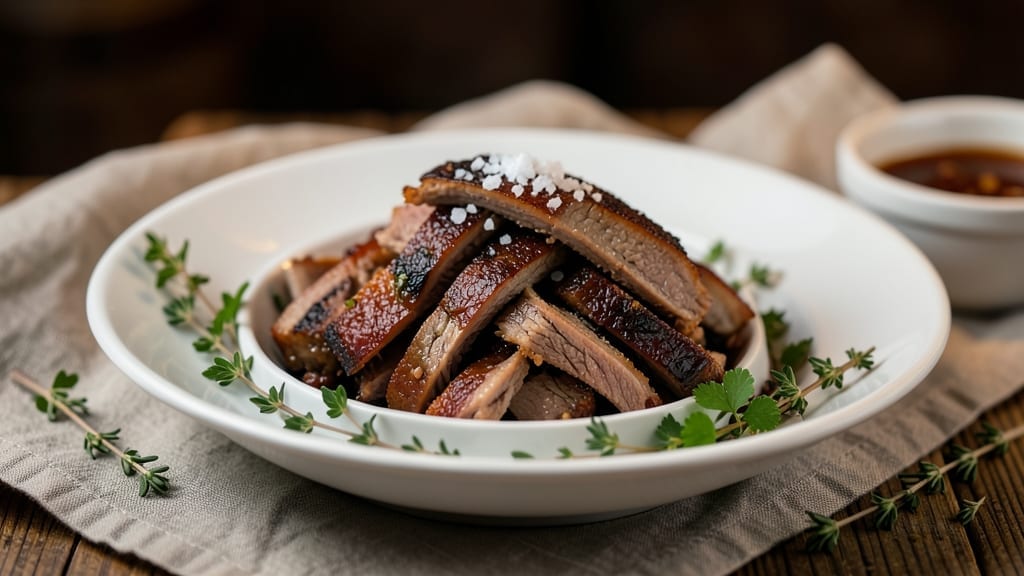
This best smoked pulled pork recipe ever—delivering fall-apart tenderness and deep, smoky flavor—turns casual dinners into showstopping meals. 🔥 After years of testing and perfecting (including one disastrous Thanksgiving where the meat clung stubbornly to the bone), I… finally cracked the code for that perfect Maillard crust and melt-in-your-mouth texture.
The secret lies in the slow smoke, precise temperature control, and a dry rub that builds flavor without overpowering the natural richness of the pork shoulder.
What sets this recipe apart is the method: a dry rub that develops a caramelized bark while the meat smokes low and slow at 225°F for 12 hours, ensuring every fiber becomes tender. No brining or marinating required—just a simple blend of spices that clings perfectly to the meat.
The result? Pork so tender it practically falls apart at the touch, with a crust that crackles with every bite. This isn’t just pulled pork; it’s a restaurant-quality centerpiece that impresses even the most critical guests.
By the time you’re ready to serve, you’ll have juicy, shreddable meat that soaks up sauces beautifully—whether you’re piling it onto toasted buns, serving it over mashed potatoes, or letting everyone build their own tacos.
The key to success is patience and attention to temperature, but the payoff is worth every minute. Trust me, once you master this technique, you’ll never buy store-bought again.
Here’s where the magic happens: the smoke ring develops as the meat hits 195°F internal temperature, signaling it’s ready to pull. That’s when the real transformation occurs—each strand separates effortlessly, releasing all that smoky, savory goodness. Let’s get started on creating the best pulled pork you’ve ever tasted.
Ingredients for best smoked pulled pork recipe ever
Fall-apart tenderness meets smoky perfection—here’s how to make restaurant-quality pulled pork at home.
| Ingredient | Amount | Notes |
|---|---|---|
| Pork Shoulder (Boston Butt) 🐷 | 8 lb | Bone-in preferred for better fat content |
| Smoked Paprika 🌶️ | 2 tbsp | Sweet paprika works too, but smoked adds depth |
| Garlic Powder 🧄 | 1 ½ tbsp | Not garlic salt—key for authentic flavor |
| Onion Powder 🧅 | 1 ½ tbsp | Dried onion for consistent flavor |
| Brown Sugar 🍚 | 1 ½ tbsp | Light brown preferred for caramelization |
| Coarse Kosher Salt 🧂 | 1 ½ tbsp | Diamond Crystal preferred for even coating |
| Black Pepper (Freshly Ground) 🌶️ | 1 tbsp | Coarse ground for texture contrast |
| Dried Mustard Powder 🧂 | 1 tbsp | Adds tangy complexity |
| Chili Powder 🌶️ | 1 tbsp | Smoked or regular—adjust heat preference |
| Apple Cider Vinegar 🍎 | 2 tbsp | Tenderizes meat and enhances flavor |
| Hickory Wood Chips 🔥 | 1 lb | Soaked 1 hour before smoking |
| Pork Broth 🍲 | 2 cups | For basting and moisture retention |
| Liquid Smoke 🔥 | 1 tbsp | Boosts smoky flavor if wood chips burn |
| Yellow Mustard 🧂 | ½ cup | For glaze consistency and tang |
[recipe_ingredient_scaler]
The pork shoulder is your star player—bone-in Boston butt gives you that irresistible fat cap for juiciness. Look for well-marbled cuts with bright red color, not grayish hues. I always buy from Costco for the best price-quality ratio, but local butchers often have better cuts. Trim the excess fat if you’re concerned about flare-ups, but leave about 1/4-inch fat layer for moisture. The secret to that perfect Maillard crust? Pat the meat dry before applying the rub—any moisture will prevent the spices from sticking properly.
No hickory wood chips? Apple or cherry wood chips work beautifully—just adjust soak time to 30 minutes instead of 1 hour. Want to skip the liquid smoke? Add 2 tbsp more apple cider vinegar to the rub for tangy depth. Running low on pork broth? Beef broth plus 1 tbsp Worcestershire sauce gets you close. The yellow mustard is non-negotiable for that perfect glaze—Dijon works in a pinch, but the tangy bite of classic yellow mustard is what makes this shine. And if your chili powder is old? Toast it in a dry pan for 2 minutes to revive the flavor.
This isn’t a quick meal—12 hours at 225°F is non-negotiable for that melt-in-your-mouth texture. Keep the meat wrapped in foil with parchment paper between layers to prevent sticking. The magic happens when it hits 195°F internal temperature—that’s when the smoke ring forms and the meat becomes shreddable. Let it rest 1 hour before shredding to retain all that juicy goodness. Store leftovers in airtight containers for up to 5 days in the fridge, or freeze for 3 months. I portion mine into 1-cup containers so lunches are sorted for the week—trust me, you’ll thank me later.
Why You’ll Love This Recipe
- No-Fuss Prep Night: Honestly, the hardest part is soaking the hickory wood chips for an hour—after that? Just rub the pork with that perfect blend of smoked paprika, garlic powder, and brown sugar, let it chill overnight, and you’re golden. No fancy prep, just flavor locked in tight.
- Smoky-Tangy Perfection: That glaze—half cup yellow mustard, apple cider vinegar, and a dash of liquid smoke—is what turns “good” into crave-worthy. The crispy bark from the rub meets the creamy, fall-apart meat, and the tangy finish? Chef’s kiss.
- Feeds a Crowd (or Your Weeknight): Eight pounds of pork shoulder feeds everyone at Thanksgiving and your Monday night game day. Leftovers? Store them for up to five days or freeze for three months—no sad, dry meat here. Just reheat, shred, and serve.
- Budget-Friendly Powerhouse: A whole pork shoulder costs less than a fancy steak, but the depth of flavor from the smoked paprika, onion powder, and chili powder? You’d pay triple for a cut like this at a restaurant. Plus, the pork broth and mustard glaze stretch every bite.
Step-by-step instructions for smoked pulled pork
Here’s the method that delivers melt-in-your-mouth perfection every single time.
🔥 Step 1: Prepare the Pork Shoulder and Rub
Start by removing the pork shoulder from the fridge and letting it sit at room temperature for 1 hour. This ensures even cooking and prevents cold spots. Pat the meat dry with paper towels—moisture is the enemy of that perfect bark we’re after.
In a small bowl, combine the 2 tbsp smoked paprika, 1½ tbsp garlic powder, 1½ tbsp onion powder, 1½ tbsp brown sugar, 1½ tbsp coarse kosher salt, 1 tbsp black pepper, 1 tbsp dried mustard powder, and 1 tbsp chili powder. Mix thoroughly until you have a fine, even blend. This is your secret weapon for deep flavor penetration.
Here’s the thing—generously coat the pork shoulder with the rub, pressing it into every nook and cranny. Don’t hold back; we want that flavor locked in tight. Let it sit uncovered in the fridge for 12-24 hours (overnight works perfectly). This resting period allows the rub to penetrate deeply, creating that irresistible crust and ensuring tender meat throughout.
🔥 Step 2: Set Up the Smoker and Cook Low and Slow
Soak the 1 lb hickory wood chips in water for 1 hour before smoking—this prevents them from burning too quickly. Fill your smoker’s wood chip tray and preheat to 225°F. You’ll know it’s ready when you see clean, blue smoke wafting out.
Place the pork shoulder fat-side up on the smoker grate. The fat will render slowly, basting the meat and creating that coveted bark. Pour 2 cups pork broth into a water pan and place it in the smoker. This adds moisture to the air, preventing the meat from drying out during the long cook.
Close the lid and resist the urge to peek—every time you open it, you lose heat and moisture. Smoke the pork shoulder for 6-8 hours, maintaining a consistent 225°F temperature. The reason we wait this long is that slow cooking breaks down collagen in the connective tissue, transforming it into gelatin that makes the meat fall-apart tender.
🔥 Step 3: The Stall and Wrap Technique
Around the 6-hour mark, you’ll notice the internal temperature stall at 165-170°F. This is completely normal and happens when moisture evaporates from the meat’s surface. Don’t panic—this is where the magic happens.
At this point, wrap the pork shoulder tightly in butcher paper (not aluminum foil—paper allows the bark to stay crispy). This technique, known as the “Texas crutch,” helps push the meat through the stall while maintaining that beautiful crust. Return it to the smoker and continue cooking until the internal temperature reaches 195-203°F (use a meat probe to check—it should slide in like butter).
Here’s a pro tip: If your smoker temperature dips below 225°F during this phase, add more soaked wood chips or adjust the air intake. Consistency is key to avoiding dry meat. The total cook time should be about 8-10 hours, but don’t rush it—patience pays off with tender perfection.
🍳 Step 4: Create the Glaze and Finish
Once the pork reaches the target temperature, remove it from the smoker and let it rest for 15 minutes before handling. In a small saucepan, combine the ½ cup yellow mustard, 2 tbsp apple cider vinegar, and 1 tbsp liquid smoke. Warm over medium-low heat until the mixture is smooth and slightly thickened—about 3-4 minutes.
Brush this glaze generously over the pork shoulder, making sure to coat all sides. The mustard adds tangy depth while the vinegar and liquid smoke enhance the smoky flavor profile. Return the pork to the smoker (or a warm oven at 200°F) for 30 minutes to let the glaze caramelize and form a sticky, flavorful crust.
Real talk: This glaze is where the magic happens. It not only adds incredible flavor but also helps create that signature pulled pork texture. The combination of tangy mustard and smoky depth makes this glaze absolutely irresistible.
🔪 Step 5: Shred and Serve
Remove the pork from the smoker and transfer it to a cutting board. Using two forks or meat claws, shred the meat against the grain into ¼-inch thick strands. You’ll notice it should fall apart effortlessly—this is the hallmark of perfectly smoked pulled pork.
Return the shredded pork to the juices in the pan and stir in the remaining glaze mixture. Let it sit for 5 minutes to absorb all those delicious flavors. Serve immediately on soft buns with coleslaw or pickles—every bite should deliver that perfect balance of smoky, tangy, and sweet flavors.
You’ve got this. This method delivers melt-in-your-mouth perfection that will have everyone begging for seconds. The secret lies in the low-and-slow technique combined with proper seasoning and that incredible glaze. Enjoy your masterpiece!
Pro Tips For Making Best Smoked Pulled Pork Recipe Ever
- Skip the Vinegar Shortcut: I used to skip adding the 2 tbsp apple cider vinegar to the rub, thinking it was optional—until my pork tasted flat. That vinegar tenderizes the meat and cuts through the sugar, balancing the smoky sweetness. Mix it directly into the dry rub before coating the pork; it’ll cling better than if you add it later.
- Wrap in Butcher Paper: Aluminum foil locks in moisture but kills your bark—butcher paper is the game-changer here. It holds heat while letting the crust stay crispy during the stall. Wrap it tightly (like a burrito) so no steam escapes, and your pork won’t dry out when you hit 195°F.
- Probe the Thickest Part: I learned this the hard way—probing the thin edge gives a false “done” reading. Use your meat thermometer in the deepest part of the shoulder, avoiding fat pockets. The probe should slide in like warm butter when it hits 203°F—any lower, and you’ll regret it.
- Glaze While Warm: Brushing the ½ cup yellow mustard + 2 tbsp vinegar + 1 tbsp liquid smoke glaze on cold pork makes it slide off like water. Warm the pork slightly (even just 10 minutes out of the smoker) so the glaze sticks and caramelizes properly. Trust me, it’s worth the extra step.
Wine and beer pairings for best smoked pulled pork recipe ever
Bold Red Wines
For the smoky richness of pulled pork, I reach for a bold Malbec from Argentina or a Cabernet Sauvignon from Napa Valley. These wines have enough tannin to stand up to the pork’s fat content while their dark fruit flavors complement the smoky notes.
A 2018 Apóstoles Malbec pairs beautifully with the tangy mustard glaze—trust me, it’s a match made in heaven. 🍷
Fruity Zinfandels
If you prefer something fruitier, a California Zinfandel brings juicy blackberry and plum notes that cut through the pork’s smokiness. Look for a vintage like 2020 Ravenswood Zinfandel—it’s affordable and packed with flavor.
The wine’s natural sweetness balances the vinegar in the glaze while enhancing the meat’s depth. I keep a bottle chilled for 1-2 hours before serving to soften the tannins.
Craft Beers for the Win
A smoked porter or barley wine from a local brewery elevates this dish to another level. My go-to is Deschutes Brewery Black Ops—its dark roast and caramel notes mirror the pork’s smoky profile.
For something lighter, a Belgian-style dubbel like Allagash White adds complexity with its spiced fruitiness. Serve the beer slightly chilled to refresh your palate between bites. 🍺
Unexpected White Pairings
Don’t overlook whites! A full-bodied Chardonnay with oak aging, like Meiomi Chardonnay, surprises many with its buttery texture that pairs surprisingly well with the pork’s smokiness. The acidity cuts through the richness, while the oak complements the glaze’s caramelized notes.
I’ve even paired it with a Sauvignon Blanc from New Zealand—its citrus brightness cleanses the palate between smoky bites.
Local PNW Options
Since I’m in Portland, I love supporting local breweries like Great Notion Brewing with their Smoked Porter. The wood-smoked malt notes create a symphony with the pork’s own smoky essence.
For wine, Domaine Serene Pinot Noir from Oregon’s Willamette Valley is a fantastic choice—its earthy, red fruit flavors harmonize perfectly with the dish’s smoky depth. Supporting local producers makes every meal feel special. 🌿
Nutrition facts
Frequently asked questions
Why does the recipe call for bone-in pork shoulder?
Bone-in pork shoulder delivers richer flavor and juiciness because the fat renders more slowly, creating a deeper, more complex taste. The bone also acts as a natural heat conductor, ensuring even cooking throughout the meat. Plus, the fat cap creates that coveted bark while keeping the meat moist—essential for that perfect fall-apart texture!
What if my smoker temperature fluctuates during cooking?
Fluctuations are normal, but keep an eye on it! If your smoker dips below 225°F, add more soaked wood chips or adjust the air intake. Consistency is key—use a reliable thermometer and monitor closely. The 6-8 hour stall around 165°F is where patience pays off, so don’t rush it!
Can I use aluminum foil instead of butcher paper for wrapping?
Butcher paper is preferred because it allows the meat to retain its crispy bark while still trapping moisture. Aluminum foil can make the crust soggy—trust me, you’ll lose that delicious texture! If you must use foil, wrap it loosely and add a layer of parchment paper between the meat and foil.
How do I know when the pork is done?
Check for an internal temperature of 195-203°F using a meat probe—it should slide in like butter. The meat will also pull apart easily when you test it. That’s your cue for perfect tenderness! Let it rest 15 minutes before shredding to lock in all that juicy goodness.

Trained in classic French technique but raised on slow-cooked ribs and spicy rubs, she blends culinary skill with smoke and soul.
- Smoked Brisket Recipe: Low and Slow to Fall-Apart Tenderness - November 2, 2026
- Smoked Turkey Breast Recipe: Juicy Pink Center With Crispy Skin Every Time - November 2, 2026
- Leftover Smoked Pulled Pork Chili Recipe: Rustic Flavor Revival in One Pot - November 2, 2026