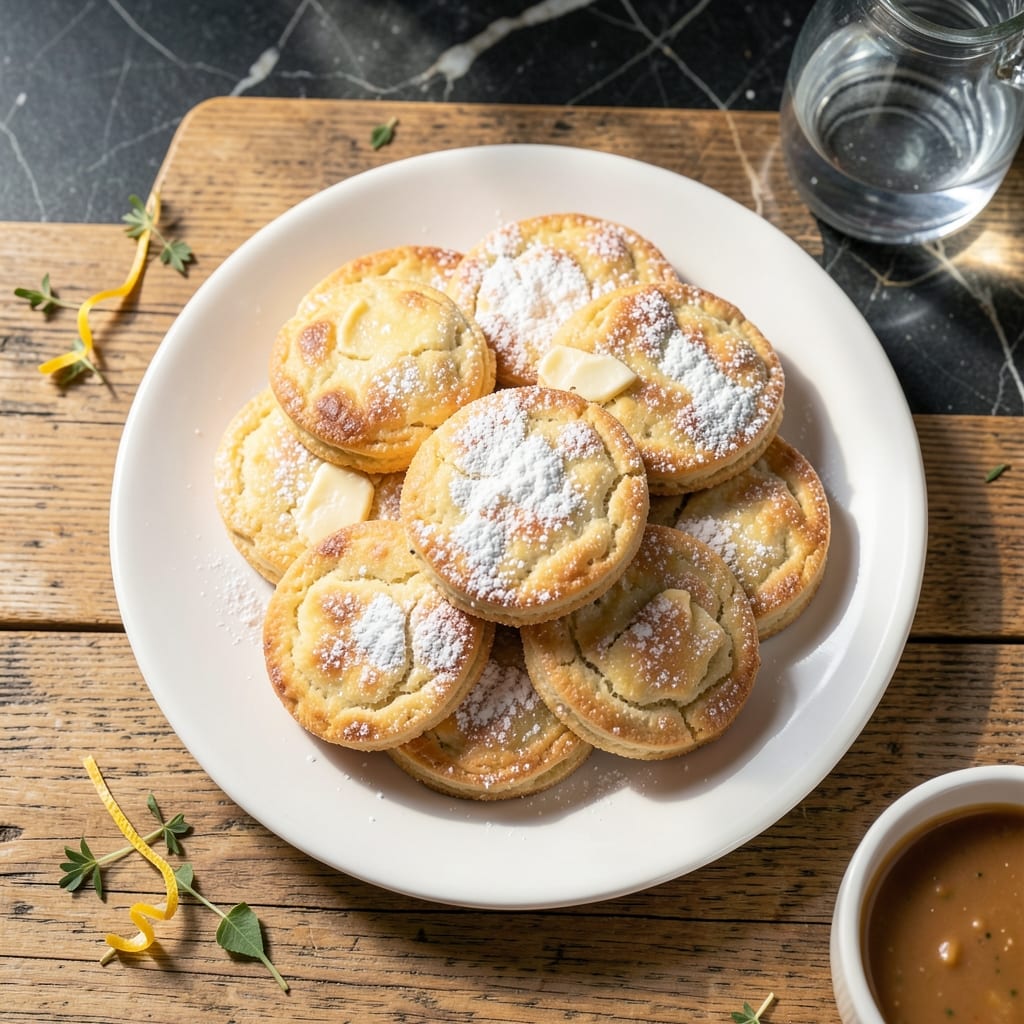
There’s no need to sacrifice fluffiness when skipping dairy in biscuit recipes. This method delivers tender layers without a drop of milk, proving that simple swaps can create exceptional results.
The secret lies in using cold water and a touch of vinegar to mimic the acidity milk provides. Combined with proper handling, this ensures a light, airy texture that rivals traditional versions.
You’ll achieve golden, flaky biscuits with minimal effort and maximum reward. The process is straightforward, with no specialized ingredients required.
Perfect for breakfast, dinner sides, or snacking anytime. Here’s how to make them.
Ingredients for Biscuit Recipe No Milk
Simple pantry staples create these dairy-free biscuits with perfect layers every time.
| Ingredient | Amount | Notes |
|---|---|---|
| All-Purpose Flour 🌾 | 2 cups | Plus extra for dusting surface |
| Baking Powder 🧂 | 1 tbsp | Ensure fresh for best rise |
| Baking Soda 🧂 | ½ tsp | Balances acidity in recipe |
| Salt 🧂 | 1 tsp | Fine sea salt preferred |
| Vegetable Shortening 🧈 | ⅓ cup | Cold, cut into small pieces |
| Cold Water 💧 | ¾ cup | Ice cold for flakiness |
| White Vinegar 🍶 | 1 tbsp | Mimics milk acidity |
| Granulated Sugar 🍚 | 1 tsp | Optional for slight sweetness |
| Unsalted Butter 🧈 | 2 tbsp | Cold, for brushing tops |
[recipe_ingredient_scaler]
The shortening is critical for flakiness without dairy. Crisco is the gold standard here—consistent texture, no water content to interfere with layers. For the vinegar, any white variety works (distilled or apple cider), but avoid balsamic as its color and flavor are too assertive. Ensure your baking powder is aluminum-free for the cleanest taste. Most grocery stores carry these items in the baking aisle.
No shortening? Cold coconut oil works in a pinch (solid at room temp). Out of vinegar? Lemon juice at the same amount substitutes perfectly. The water must be ice cold—warm liquid melts the fat prematurely, ruining the layers. For a richer flavor, swap half the water for unsweetened almond milk (still dairy-free). The sugar is optional but adds a subtle sweetness that complements savory meals.
Store baked biscuits in an airtight container at room temperature for 2-3 days. For longer storage, freeze unbaked biscuits on a tray, then transfer to a bag—they’ll keep for 1 month. Reheat frozen biscuits directly from the freezer at 375°F for 12-15 minutes. Always use cold ingredients for the flakiest results.
Why You’ll Love This Recipe
- 5-Minute Mix: I can go from flour to oven-ready in the time it takes my coffee to brew—no milk to measure, just shortening and dry staples.
- Buttery Crisp Layers: The shortening flakes through the dough for that classic tender crumb with a golden, crackly top. Honestly, it’s the little pockets of fat that make them irresistible.
- Breakfast to Dinner: I’ve served these biscuits with jam at dawn and alongside stew at dusk. Between us, they’re the only side I need for any meal.
- Pantry Stable: Flour, baking powder, soda, salt, shortening—everything keeps forever. I’ll be real: it’s the only recipe I can make on a whim without a grocery run.
Step-by-Step Instructions for Biscuit Recipe No Milk
Master these fundamental techniques to achieve perfectly flaky, layered biscuits without dairy.
Step 1: Combine and Cut the Fat into Dry Ingredients
In a large mixing bowl, whisk together the 2 cups All-Purpose Flour, 1 tbsp Baking Powder, 0.5 tsp Baking Soda, 1 tsp Salt, and 1 tsp Granulated Sugar until evenly distributed. This ensures your leavening agents and seasonings are uniformly incorporated.
Add the 0.33 cup Vegetable Shortening (cold and cut into small pieces) to the flour mixture. Using a pastry cutter or fork, cut the shortening into the flour until the mixture resembles coarse crumbs with pea-sized pieces of fat visible. This step creates the flaky texture by coating the flour with fat.
Step 2: Create the Liquid Mixture
In a separate small bowl or measuring cup, combine the 0.75 cup Cold Water and 1 tbsp White Vinegar. The vinegar mimics the acidity of milk, reacting with the baking soda to create lift while keeping the biscuits tender.
Stir the mixture briefly—just enough to combine. The water should remain ice cold throughout this process, as cold liquid prevents the fat from melting prematurely and ensures maximum flakiness in your final product.
Step 3: Form the Dough
Make a well in the center of your flour-fat mixture. Pour the cold water-vinegar mixture into the well. Using a wooden spoon or silicone spatula, gently stir the ingredients together until the dough just begins to come together. You should still see some dry flour bits—this is normal.
Turn the shaggy dough out onto a lightly floured surface. Gently pat it into a 1-inch thick rectangle, taking care not to overwork the dough. Overworking develops gluten, which results in tough rather than tender biscuits.
Step 4: Laminate and Cut
Fold the dough in thirds like a letter, then rotate it 90 degrees and gently pat it back into a 1-inch thick rectangle. Repeat this folding and turning process two more times. This lamination creates distinct layers in your biscuits.
After the final fold, pat the dough to an even 1-inch thickness. Using a 2.5-inch biscuit cutter (or a similarly sized glass), press straight down through the dough without twisting. Twisting seals the edges and prevents proper rise.
Step 5: Bake to Golden Perfection
Preheat your oven to 450°F. Place the biscuits on a baking sheet lined with parchment paper, with their sides touching for support during baking. Brush the tops with the 2 tbsp Unsalted Butter (melted).
Bake for 12-15 minutes until the biscuits are golden brown on top and the layers are clearly visible. The internal temperature should reach 200°F when tested with an instant-read thermometer. Serve warm for optimal texture and flavor.
Pro Tips For Making Biscuit Recipe No Milk
- Chill the Shortening: Cut the vegetable shortening into the flour while it’s still cold—about 30 minutes in the fridge first. After burning a batch with melted fat, I finally figured out this keeps the layers distinct.
- Don’t Overwork Dough: Mix just until the dough comes together, even if it looks shaggy. I learned this the hard way—tough biscuits are what happen when you over-knead.
- Use Cold Water: Replace the milk with ice-cold water, about ½ cup, to keep the shortening firm. My grandmother swore by this, and she was right: it makes flakier biscuits.
- Bake Immediately: Get the biscuits in the oven as soon as they’re shaped—delaying even 10 minutes lets the baking powder lose its lift. Sounds weird, but it works.
Wine and Beer Pairings for This biscuit recipe no milk
Light Beer Pairings
A crisp American lager like Bud Light or Coors Banquet cuts through the richness of these biscuits while complementing their buttery flavor. The carbonation cleanses your palate between bites. 🍺
Wine Options
A glass of dry sparkling wine such as Prosecco or Cava offers a refreshing contrast with its effervescence. The slight acidity balances the biscuits’ flakiness beautifully.
Craft Beer Choices
For more flavor, try a wheat beer like Blue Moon or Hoegaarden. Their citrus notes and smooth finish pair wonderfully with the buttery layers. The orange slice garnish adds a nice touch.
Non-Alcoholic Pairings
Sparkling cider provides the same palate-cleansing effect as beer or wine without alcohol. I particularly enjoy Martinelli’s Gold for its crisp, apple-forward flavor that complements the biscuits’ richness.
Coffee or Tea
A hot cup of black coffee or Earl Grey tea offers a cozy pairing, especially for breakfast. The bitterness of coffee or the bergamot in tea contrasts nicely with the biscuits’ mild sweetness.
Nutrition Facts
Frequently Asked Questions
Can I use butter instead of shortening?
Yes, but use cold butter and work quickly to prevent melting. Shortening has a higher melting point, so butter may slightly reduce flakiness. Keep everything ice cold for best results.
Why does the recipe use vinegar?
The 1 tbsp vinegar reacts with baking soda to mimic milk’s acidity, creating lift and tenderness. It’s a simple swap that ensures your biscuits rise properly without dairy.
What if my biscuits are dense?
Overworking the dough or using warm liquid likely caused this. Handle the dough gently and ensure all ingredients, especially water and fat, stay ice cold throughout.
Can I make these ahead?
Shape and cut the biscuits, then freeze on a tray. Bake from frozen at 450°F for 15-18 minutes. This preserves freshness and layers.

Trained in classic French technique but raised on slow-cooked ribs and spicy rubs, she blends culinary skill with smoke and soul.
- Recipe for Boneless Pork Chops in Cast Iron Skillet: Sear and Baste to Juicy Perfection - October 3, 2026
- Recipe for Boneless Cross Rib Roast: Slow-Roasted Beef with Herb Crust - October 3, 2026
- Hamburgers in Sauce Recipe Crock Pot: Slow-Cooked Savory Delight - October 3, 2026