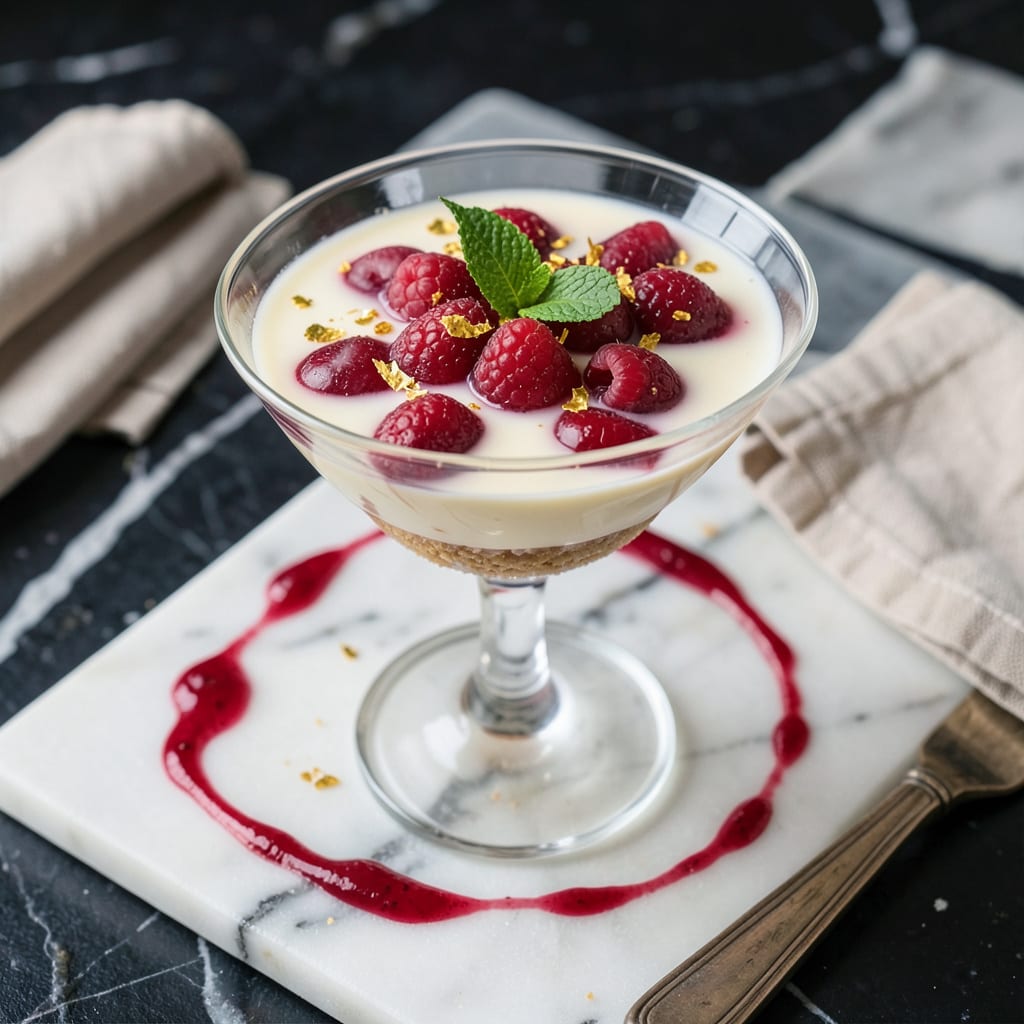
Bloom gelatin refers to soaking gelatin sheets or powder in cold liquid to soften before dissolving in heat. This process ensures smooth texture in desserts like panna cotta or mousses by preventing clumping.
I think of blooming as gelatin’s wake-up call—it’s the moment when those dry collagen strands start drinking up liquid and preparing to transform. 🔥 The magic happens when you give them time to fully hydrate before heat activates their gelling power. Without this step, you risk creating a dessert with that dreaded grainy mouthfeel, like biting into tiny sand particles instead of silky perfection. What most recipes don’t tell you is that proper blooming also helps control the final set strength, making the difference between a wobbly mousse and one that holds its shape beautifully.
💡 In This Article
- The Science Behind Gelatin Blooming Process
- Step-by-Step Guide to Blooming Gelatin for Perfect Desserts
The Science Behind Gelatin Blooming Process
Gelatin’s blooming process is all about collagen fibers waking up from their dried state. When you soak gelatin in cold liquid, those tightly coiled protein strands begin absorbing water molecules—typically at a ratio of 5-6 parts liquid to 1 part gelatin.
This hydration phase is crucial because it allows the collagen to expand and separate without clumping. Think of it like unraveling a tightly wound ball of yarn before you can use it properly. 🔥
The magic happens at the molecular level. Each gelatin particle can absorb up to 10 times its weight in water, creating a gel-like matrix when heated. The ideal blooming temperature ranges between 50-60°F (10-15°C)—cold enough to prevent premature melting but warm enough to encourage absorption.
When you skip this step, the dry gelatin particles hit hot liquid and immediately form lumps as the outer layer gelatinizes while the center remains dry, creating that unpleasant grainy texture.
What most home cooks don’t realize is that blooming time directly affects the final texture. Sheet gelatin typically needs 5-10 minutes to fully bloom, while powdered gelatin may require 3-5 minutes due to its finer particle size.
The difference is visible under a microscope—properly bloomed gelatin shows evenly hydrated strands, while rushed gelatin reveals dry cores surrounded by gelatinized outer layers. This uneven hydration is what causes those tiny but noticeable gritty bits in your otherwise smooth panna cotta. ✨
The science gets even more interesting when we consider temperature thresholds. Gelatin begins to melt at approximately 95°F (35°C), but it doesn’t fully dissolve until reaching 140°F (60°C). During blooming, you’re essentially preparing the collagen fibers to unfold uniformly when heated.
Without this preparation, the heat causes chaotic unfolding—some fibers over-expand while others remain tightly bound, resulting in inconsistent texture throughout your dessert.
Here’s what’s actually happening during the bloom:
- Phase 1 (0-2 minutes): Surface hydration begins as water molecules attach to collagen strands
- Phase 2 (2-5 minutes): Water penetrates deeper into the gelatin structure, causing visible swelling
- Phase 3 (5+ minutes): Full saturation occurs, with gelatin particles becoming translucent and jelly-like
Professional pastry chefs often test bloomed gelatin by gently pressing it—properly hydrated gelatin should feel like soft jelly and break cleanly, not crumble or release water. This tactile test is more reliable than timing alone, as humidity and water temperature can affect the blooming rate.
The key factor is watching for that transformation from opaque granules to a uniform, glossy mass that holds its shape when lifted. 💫
What makes this process so fascinating is how it mirrors what happens in our bodies. Gelatin is derived from collagen—the same protein that gives our skin its elasticity. When we bloom gelatin, we’re essentially replicating how collagen behaves in living tissues, just at a much faster pace.
This biological connection explains why properly bloomed gelatin creates such a satisfying, almost “alive” mouthfeel in desserts—it’s literally behaving like the building blocks of life! ⚡

Trained in classic French technique but raised on slow-cooked ribs and spicy rubs, she blends culinary skill with smoke and soul.
- Recipe for Boneless Pork Chops in Cast Iron Skillet: Sear and Baste to Juicy Perfection - October 3, 2026
- Recipe for Boneless Cross Rib Roast: Slow-Roasted Beef with Herb Crust - October 3, 2026
- Hamburgers in Sauce Recipe Crock Pot: Slow-Cooked Savory Delight - October 3, 2026