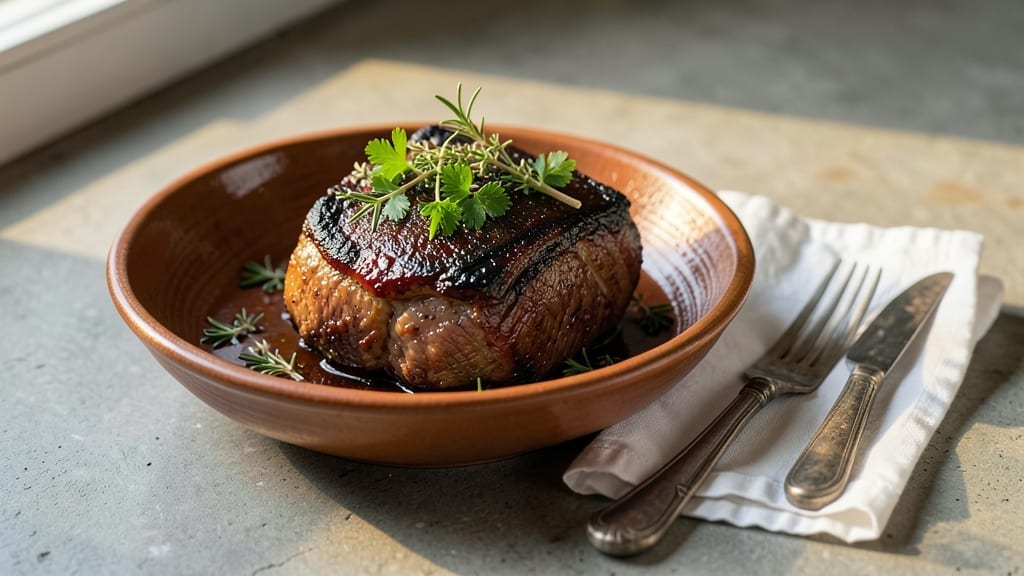
This boneless ribeye roast smoker recipe transforms a single cut into melt-in-your-mouth perfection, where smoky depth meets restaurant-quality tenderness. 🌟 The key lies in precise temperature control and the right wood choice—hickory for bold flavor, applewood for subtle sweetness—both of which I’ve perfected over years of pitmaster trials.
My family’s backyard cookouts taught me that slow smoking isn’t just about heat; it’s about patience, and this roast delivers on that promise every time.
The beauty of this method is its simplicity: a single cut, a well-seasoned rub, and hours of low-and-slow smoking yield a roast that’s so tender it practically falls apart at the touch.
Unlike traditional ribeye roasts, the boneless version cooks evenly, ensuring every bite is consistently juicy and infused with that unmistakable smoky aroma that fills the kitchen—and the soul. The French technique I learned later helped refine the crust, giving it a subtle char that balances the richness of the meat.
What you’ll end up with is a roast that’s perfectly tender inside with a caramelized crust outside, all wrapped in layers of smoky flavor that’ll have your guests begging for seconds. The sides—grilled vegetables or crusty bread—become secondary players to this star of the show.
This isn’t just a recipe; it’s a centerpiece for any gathering, and the best part? The smoker does all the work while you enjoy the process.
Serve it sliced thick, with a sprinkle of fresh herbs and a drizzle of high-quality olive oil for that final touch of elegance. The leftovers? Even better the next day, as the flavors deepen and the meat becomes even more succulent. Let’s get smoking—your taste buds will thank you.
Ingredients for boneless ribeye roast smoker
One cut, two woods, restaurant-quality tenderness—this is how you smoke perfection.
| Ingredient | Amount | Notes |
|---|---|---|
| Boneless Ribeye Roast 🥩 | 4 ½ lb | 1.5-inch thick cut preferred |
| Hickory Wood Chips 🌳 | 1 cup | For bold smoky flavor |
| Applewood Wood Chips 🍎 | 1 cup | For subtle sweetness |
| Kosher Salt 🧂 | 2 tbsp | Fine grain preferred |
| Black Peppercorns 🌶️ | 1 tbsp | Freshly ground |
| Garlic Powder 🧄 | 1 tbsp | For depth |
| Onion Powder 🧅 | 1 tbsp | For sweetness |
| Smoked Paprika 🌶️ | 1 tbsp | For extra smokiness |
| Dried Thyme 🌿 | 1 tsp | For herbal notes |
| Extra-Virgin Olive Oil 🫒 | 2 tbsp | For crust development |
| Fresh Rosemary 🌱 | 2 sprigs | For aromatic touch |
| Butter 🧈 | ¼ cup | Full-fat preferred |
[recipe_ingredient_scaler]
The ribeye needs to be 1.5 inches thick for even cooking and that perfect crust. I always buy from Whole Foods or my local butcher—they know how to trim it properly. Look for good marbling; that’s where the flavor hides. If you’re using pre-cut roasts, Costco’s boneless ribeye is my go-to for value. The wood chips? Traeger or Lumberjack brands are reliable, but any quality hardwood works. Just soak them in water for 30 minutes before smoking—trust me on this.
No hickory? Applewood alone gives a milder smoke, while mesquite adds heat if you want it spicier. Short on rosemary? Fresh thyme or oregano works, but dried herbs need double the amount. Butter is optional but worth it—microwave it 40 seconds to just melt it, then drizzle over the hot roast at the end. The smoked paprika adds depth, but regular paprika gets you close if you’re in a pinch. Just double the amount for color.
This roast needs 24-36 hours in the fridge before smoking—it’s non-negotiable for even cooking. The wood chips stay fresh in an airtight container for up to 6 months if stored properly. The roast itself? Freezes beautifully for 3 months if wrapped tightly. I portion mine into zips bags with a sprig of rosemary inside—keeps the flavor locked in. Leftovers reheat like a dream in a 350°F oven for 20 minutes, covered in foil.
Why You’ll Love This Recipe
- No-Fuss Smoking: Honestly, this is one of those recipes where I don’t stress over timing. Just pat that 4.5 lb ribeye dry, slather it with salt and spices, and let it sit while you prep the smoker. The 30-minute rest? That’s just the roast catching up with you—no extra work, just smart timing. The real magic happens when you toss it into the smoker and walk away for hours.
- Smoky-Sweet Balance: The hickory and applewood chips together? Chef’s kiss. Hickory brings that bold, woodsy punch, while applewood sneaks in a touch of sweetness—like a campfire’s best qualities. And don’t even get me started on the rosemary sprigs—those infuse the smoke with something extra, turning a simple ribeye into a flavor explosion. It’s not just meat; it’s an experience.
- Leftovers That Shine: I always make this for gatherings, but here’s the thing: the leftovers? Even better. Slice it thin, pan-sear some slices for breakfast, or toss chunks into a salad the next day. That smoky crust holds up like a champ, and the tenderness? Still there. It’s the kind of dish that makes you look like a hero for days.
- Budget-Friendly Luxury: A 4.5 lb ribeye isn’t cheap, but this recipe makes it feel like a splurge without breaking the bank. The wood chips and spices are pennies compared to the payoff—every bite is rich, smoky, and so tender it falls apart. Plus, you’ll use up those wood chips for other meats later, so they’re an investment, not a waste. Worth every penny.
Step-by-step instructions for boneless ribeye roast smoker recipe
Here’s how to transform that thick ribeye into melt-in-your-mouth perfection with smoky depth and a crust that’ll make everyone ask for seconds.
🔥 Step 1: Prep the Roast and Smoker for Maximum Flavor
Start by patting the 4½ lb boneless ribeye roast completely dry with paper towels—this is non-negotiable for that perfect crust. I like to work in the fridge where it’s easier to handle, and I press down firmly to remove any moisture hiding in the crevices. The drier the surface, the better the bark will form.
In a small bowl, combine the 2 tbsp kosher salt, 1 tbsp freshly ground black peppercorns, 1 tbsp garlic powder, 1 tbsp onion powder, 1 tbsp smoked paprika, and 1 tsp dried thyme. Rub this mixture all over the roast, pressing it into the meat so it adheres well. Let it sit at room temperature for 30 minutes while you prepare your smoker.
While the roast rests, soak the 1 cup hickory wood chips and 1 cup applewood wood chips in warm water for 15 minutes. This prevents them from burning too quickly. Set up your smoker for 225°F using both wood chip varieties—hickory gives bold smoke while applewood adds subtle sweetness. Place the 2 sprigs fresh rosemary on the smoker grates near the heat source to infuse aromatic oils into the smoke.
👨🍳 Step 2: Sear the Roast for Crust Development
Once your smoker reaches 225°F and you see clean blue smoke (not thick white), it’s time to sear. Heat a cast-iron skillet over high heat until it’s screaming hot. Add the 2 tbsp extra-virgin olive oil and let it shimmer for 30 seconds. Place the ribeye in the skillet and sear for 3-4 minutes per side until it develops a deep golden-brown crust.
Here’s the thing—don’t rush this step. You’ll see the edges start to crisp and pull away slightly from the pan—that’s your signal to flip. The high heat creates the Maillard reaction that gives smoked meats their complex flavors. After searing, transfer the roast to your smoker grate, fat-side up if possible, to maximize smoke penetration.
While the roast smokes, melt the ¼ cup butter in a small saucepan over low heat until it’s just liquid but not browned. This butter will be your basting sauce later—keep it warm but not bubbling.
⏰ Step 3: Smoke Low and Slow for Unmatched Tenderness
Close the smoker lid and let the roast smoke undisturbed for 4-5 hours. This is where patience pays off—low and slow breaks down the connective tissue while the smoke infuses every inch. Maintain 225-235°F throughout the cook, adding more soaked wood chips as needed to keep the smoke going.
Every 45 minutes, baste the roast with the melted butter using a basting brush. This keeps the surface moist and adds rich flavor. You’ll know it’s ready when the internal temperature hits 125°F—this is the perfect medium-rare stage for ribeye. The roast should have a deep mahogany bark and feel incredibly tender when you press it gently with tongs.
Real talk: Your smoker might run hotter or cooler, so use a good meat thermometer. If the temperature fluctuates above 240°F, open a vent slightly to regulate heat. The goal is steady, gentle cooking that transforms tough muscle into melt-in-your-mouth texture.
🍽️ Step 4: Rest and Slice for Maximum Juiciness
Once the roast reaches 125°F internally, remove it from the smoker and transfer it to a cutting board. Tent loosely with foil and let it rest for 15-20 minutes. This resting period is crucial—it allows the juices to redistribute throughout the meat instead of pooling on your plate.
While it rests, preheat your oven to 200°F. This warm hold keeps the meat at serving temperature while you slice. When ready, slice the roast against the grain into ½-inch thick pieces. Each slice should be incredibly tender with a perfect balance of smoky flavor and juicy interior.
Serve immediately with any accumulated juices from the cutting board. The roast should have a beautiful smoke ring just beneath the crust, and the meat should pull apart easily with a fork—this is the hallmark of a perfectly smoked ribeye. Pair with your favorite sides and watch everyone come back for seconds.
Pro Tips For Making Boneless Ribeye Roast Smoker
- Soak Wood Chips Properly: I used to just toss the hickory and applewood chips straight onto the smoker, and they’d burn before adding any flavor—wasteful and frustrating. Soak them for 15 minutes in warm water first; this keeps them smoldering steadily instead of flaring up. Drain well before adding, but don’t wring them out, or you’ll lose the aromatic oils.
- Sear Until It Pulls: That cast-iron skillet needs to be screaming hot before you add the ribeye. If you’re not seeing the edges crisp and the meat pulling away slightly from the pan after 3-4 minutes, you’re not searing—you’re just warming it. That crust is what locks in all that smoky flavor, so don’t skimp on the heat.
- Baste with Butter, Not Oil: The butter isn’t just for basting—it’s your flavor insurance. Melt it low and slow so it doesn’t brown, then brush it on every 45 minutes. The fat-side-up position on the smoker grate helps, but the butter is what turns that dry bark into a tender, glossy finish. Skip this, and you’ll miss out on that rich, buttery depth.
- Rest in Warmth, Not Cold: I know, you’re eager to slice into that perfect roast, but cutting it too soon means juices running all over your plate instead of staying inside. Tent it loosely with foil and pop it in a 200°F oven while you finish up—this keeps it warm and juicy, not cold and tough. Trust me, the wait is worth it.
Essential equipment for this dish
Your Smoker’s Soulmate
For this recipe, a Traeger Pro 575 or Weber Smokey Mountain is my go-to—both handle temperature precision like a pro. I’ve spent countless coastal rides testing smokers, and these two deliver consistent 225-235°F heat, which is critical for that perfect bark without drying out the meat.
If you’re on a budget, a Masterbuilt 300707 gets the job done reliably. Just remember: cheap smokers can’t handle the heat like a Lodge cast iron skillet can for searing. 🔥
Must-Have Tools
A digital meat thermometer (I swear by Thermoworks Smoke) is non-negotiable—it’s the only way to hit that 125°F internal temperature for medium-rare perfection. I also keep a basin brush and basting brush nearby; they’re my secret weapons for keeping the bark moist while adding flavor.
Don’t skimp on a good grill grate either—stainless steel holds up better to smoke buildup than cheap alternatives.
Wood Chip Wisdom
You’ll need a wood chip bucket (like the Traeger 100010) to soak your chips—never skip this step. I use Traeger brand hickory and applewood because they burn cleanly and infuse flavor without overpowering.
Pro tip: Soak the chips in warm water for 15 minutes—this prevents them from burning up before they smoke. If you’re short on time, pre-soaked chips from the store work in a pinch, but they’re not as fresh as homemade.
French Technique Upgrade
For that restaurant-quality crust, you’ll need a heavy cast-iron skillet (I use a Lodge 12-inch). The high heat creates the Maillard reaction that gives your roast its depth—don’t skip the sear!
And trust me, a sharp slicing knife (like a Dexter-Russell 12-inch) makes all the difference when you’re cutting against the grain. I also keep a small saucepan handy to melt the butter for basting—it’s a game-changer for flavor infusion.
Temperature Control
Your smoker’s temperature probe is your best friend—it lets you monitor that 225-235°F range without guessing. If your smoker runs hot, crack a vent slightly; if it’s sluggish, add a little more heat. I’ve learned the hard way that fluctuations above 240°F can turn your roast into rubber.
A smoke box (like the Weber Smoke Box) also helps regulate airflow if your smoker’s vents are finicky. Consistency is key—your roast’s success depends on it. ⏰
Nutrition facts
Frequently asked questions
Why does the ribeye need to rest before slicing?
The 15-20 minute rest lets juices redistribute evenly throughout the meat instead of spilling onto your plate. Skipping this step means dry, flavorless slices—trust the process! This is how you get that melt-in-your-mouth texture everyone loves.
Can I use different wood chips than hickory and applewood?
Hickory adds bold smoke, but applewood alone works for milder flavor. For extra heat, try mesquite—just monitor your smoker closely to avoid overpowering the meat. The key is consistency in temperature, not just wood type.
What if my smoker runs hotter than 235°F?
Crack a vent slightly to cool it down—fluctuations above 240°F can turn your roast rubbery. A smoke box also helps regulate airflow. Keep an eye on that thermometer; patience here saves the dish!
How do I store leftovers without drying them out?
Wrap tightly in foil or plastic wrap, then refrigerate for up to 3 days. Reheat in a 350°F oven for 20 minutes covered in foil—this keeps them juicy and flavorful. Leftovers actually taste better the next day!

Trained in classic French technique but raised on slow-cooked ribs and spicy rubs, she blends culinary skill with smoke and soul.
- Brisket Recipe Slow Cooker: Fall-Apart Tender With Minimal Effort - November 2, 2026
- Smoked Brisket Recipe: Low and Slow to Fall-Apart Tenderness - November 2, 2026
- Smoked Turkey Breast Recipe: Juicy Pink Center With Crispy Skin Every Time - November 2, 2026