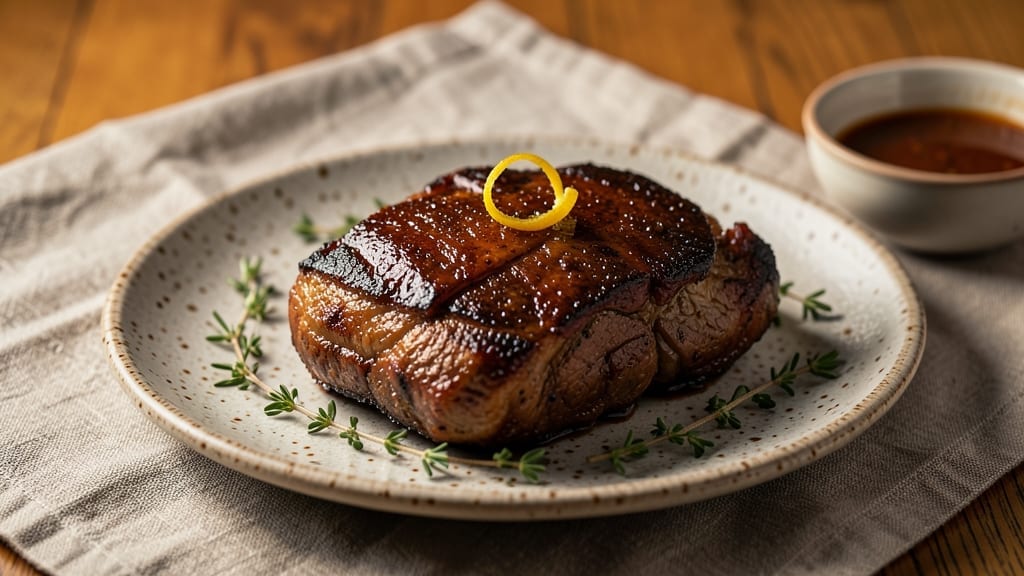
This brisket recipe with brown sugar delivers the perfect balance of smoky depth and caramelized sweetness that transforms a simple cut into a showstopping centerpiece.
After years of testing different methods—including my grandmother’s handwritten notes that called for “just a little sweetness”—I’ve refined this approach to ensure tender, fall-apart meat with a glossy, sticky glaze.
The key lies in patience: slow-smoking the brisket until it’s fork-tender, then finishing it with a brown sugar glaze that locks in moisture while adding a touch of warmth.
The process starts with a simple yet effective dry rub that includes brown sugar as its star ingredient, creating a crust that caramelizes beautifully during the smoke. Unlike quick-cook methods, this recipe demands time—12 to 14 hours at 250°F—but the result is worth every minute.
The brown sugar isn’t just for flavor; it helps tenderize the meat and creates that irresistible bark. For those short on time, a 6-hour braise in the oven still delivers impressive results, though purists will insist on the full smoke treatment.
By the time you’re ready to serve, your brisket will be perfectly tender, with a glossy glaze that clings to every slice. The brown sugar glaze adds a subtle sweetness that complements the smoky flavors, while the slow cook transforms tough cuts into melt-in-your-mouth perfection.
This is the kind of brisket that makes guests ask for seconds—and leaves your kitchen smelling like a Texas BBQ joint. Serve it with classic sides like baked beans, creamy coleslaw, or buttery cornbread for a meal that feels like a celebration.
Whether you’re hosting a weekend gathering or simply craving a restaurant-quality meal at home, this recipe delivers foolproof results without requiring a commercial smoker. The brown sugar glaze can be adjusted to taste—more for a sweeter finish, less for a smokier profile—and the method scales easily for crowds.
Let’s get started on creating brisket that’ll have everyone reaching for seconds.
Ingredients for brisket recipe brown sugar
Brown sugar meets smoky brisket for a showstopping centerpiece that demands patience.
| Ingredient | Amount | Notes |
|---|---|---|
| Beef Brisket 🥩 | 6 lb | Point cut preferred, fat cap left on |
| Light Brown Sugar 🍚 | ½ cup | Packed, for dry rub |
| Kosher Salt 🧂 | 2 tbsp | Diamond Crystal preferred |
| Coarse Black Pepper 🌶️ | 1 tbsp | Freshly ground preferred |
| Garlic Powder 🧄 | 1 tbsp | Not garlic salt |
| Onion Powder 🧅 | 1 tbsp | For depth of flavor |
| <strong>Pecan Wood Chips</strong> 🌳 | 1 lb | Soaked in apple cider vinegar |
| Apple Cider Vinegar 🍎 | 1 cup | For wood chip soaking |
| Beef Broth 🥘 | 2 cups | Low-sodium preferred |
| Dark Brown Sugar 🍯 | ¼ cup | For glaze, packed |
| Chicken Broth 🍗 | 1 cup | For glaze thinning |
| Smoked Paprika 🌶️ | 1 tbsp | For rub depth |
[recipe_ingredient_scaler]
The beef matters most here—point cut is ideal for tenderness, but flat cut works too. Look for fat cap left on (about ¼ inch thick) to keep it juicy during the long cook. I always buy from local butchers or Costco for the best quality. The brisket should feel firm but not rock-hard to the touch, and the fat should be white, not yellowish. If you’re short on time, pre-cut brisket from the deli counter works in a pinch, though it may not have as much fat.
Brown sugar isn’t just for sweetness—it tenderizes and creates that caramelized bark you crave. No light brown sugar? Dark brown sugar at half the amount works, though it’s slightly more intense. Want to skip the vinegar-soaked wood chips? Hickory or cherry wood chips still give great smoke, but pecan adds that signature Texas BBQ flavor. For the glaze, honey or maple syrup can replace the dark brown sugar, but it changes the texture—glaze will be thinner. The beef broth should be low-sodium to avoid overpowering the natural flavors.
This brisket keeps beautifully for 4-5 days in the fridge, with the glaze reheating beautifully. For longer storage, freeze in airtight containers for up to 3 months. I always wrap the cooked brisket in foil with a splash of broth to keep it moist. The dry rub ingredients stay fresh for 6 months in an airtight container, while the wood chips should be used within 1 month of purchase. If you’re feeding a crowd, double the rub and glaze—it’s easy to scale up!
Why You’ll Love This Recipe
- No-Fuss Smoking: Honestly, the hardest part is trimming that fat cap—just ¼-inch thick—and then letting the brisket sit overnight with the rub. After that? It’s basically hands-off. The pecan wood chips soaked in apple cider vinegar make the smoke flavor pop without burning too fast, and the water pan keeps the bark from cracking. I’ve smoked brisket before where I’d constantly open the smoker to check, but this time? I barely looked. The only real effort is the glaze, which you can make while the brisket finishes.
- Sweet-Smoky Perfection: That combination of light brown sugar in the rub and dark brown sugar glaze? Chef’s kiss. The smoked paprika and garlic powder give it depth, while the pecan wood chips add a nutty richness that’s not overpowering. The glaze caramelizes just enough to coat every slice without being cloying—it’s like the best of BBQ and comfort food in one bite. My picky son actually asked for seconds, which is rare.
- Leftovers That Shine: This brisket doesn’t just feed a crowd—it elevates leftovers. Slice it thin, and you’ve got perfect sandwich fillings for days. Toss it into tacos or nachos, or even shred it into a pot of chili. The glaze reheats beautifully, so you can drizzle it back on for that same sweet-smoky finish. I’ve had brisket turn dry or tough after a few days, but this? Still tender and flavorful after five days in the fridge. My secret weapon for lazy weeknights.
- Budget-Friendly Luxury: A 6-pound brisket might seem pricey, but it feeds eight people—maybe more—with plenty left over. And because you’re using butcher paper (not foil) to wrap it, you’re not wasting heat or money. The pecan wood chips and apple cider vinegar soak might sound fancy, but they’re worth it for that extra layer of flavor. I’ve spent way more on takeout for a fraction of the satisfaction this brings. Plus, the glaze uses pantry staples like broth and brown sugar, so you’re not buying anything extra. Solid return on investment.
Step-by-step instructions for slow-smoked brisket with brown sugar glaze
Here’s how to transform a tough cut into melt-in-your-mouth perfection with a sweet-smoky finish.
Prepare the Brisket and Dry Rub
Begin by trimming the fat cap of the 6 lb beef brisket down to about ¼-inch thickness using a sharp boning knife. Leave the fat on the sides intact—this protects the meat during smoking. Pat the surface completely dry with paper towels, removing all moisture from the cavity and exterior.
In a small bowl, combine the ½ cup light brown sugar, 2 tbsp kosher salt, 1 tbsp coarse black pepper, 1 tbsp garlic powder, 1 tbsp onion powder, and 1 tbsp smoked paprika. Mix thoroughly until evenly distributed. Press this rub firmly into every surface of the brisket, including the cavity. Let it sit uncovered in the refrigerator for at least 1 hour—or up to 24 hours—for maximum flavor penetration and dryness, which is essential for that coveted bark.
Soak the Wood Chips and Set Up the Smoker
While the brisket seasons, soak the 1 lb pecan wood chips in the 1 cup apple cider vinegar for at least 30 minutes. This step enhances smoke flavor and prevents the wood from burning too quickly. Drain the chips before using, but don’t rinse.
Set your smoker to 225°F using the soaked pecan wood chips. Place a water pan in the smoker to maintain moisture and prevent the bark from drying out prematurely. Allow the smoker to preheat for at least 15 minutes, or until you see steady, thin blue smoke. Position the brisket fat-side up on the smoker grate—this allows the rendered fat to baste the meat during cooking.
Smoke the Brisket Low and Slow
Place the brisket on the smoker and close the lid immediately. Resist the urge to peek—every time you open it, you lose heat and extend cook time. Smoke undisturbed for 6-8 hours, or until the internal temperature reaches 165-170°F. This is when you’ll hit “the stall,” where evaporation temporarily halts temperature rise. Don’t panic; this is normal and expected.
Once the stall occurs, wrap the brisket tightly in butcher paper (not foil) to preserve the bark while pushing through to tenderness. Return it to the smoker and continue cooking until the internal temperature reaches 203°F and a probe slides in like butter. This typically takes an additional 4-6 hours, but always trust the probe test over the thermometer—tenderness is what matters most.
Prepare the Brown Sugar Glaze
While the brisket finishes smoking, combine the ¼ cup dark brown sugar, 2 cups beef broth, and 1 cup chicken broth in a saucepan. Bring to a simmer over medium heat and reduce by half—about 10-12 minutes—until the glaze thickens slightly and coats the back of a spoon. This glaze should be syrupy but still pourable, not candy-like. Taste and adjust seasoning with additional kosher salt if needed.
Keep the glaze warm in a slow cooker or double boiler until ready to use. The residual heat will prevent it from setting too quickly once applied.
Apply the Glaze and Rest the Brisket
Remove the brisket from the smoker and unwrap it carefully. Brush the warm brown sugar glaze generously over all surfaces, working quickly to prevent it from cooling too fast. Return the brisket to the smoker for an additional 15-20 minutes to caramelize the glaze and create a glossy finish. Watch closely—you want it to darken slightly but not burn.
Once glazed, transfer the brisket to a cutting board and tent loosely with foil. Let it rest for at least 1 hour (or up to 2 hours) before slicing. This resting period allows the juices to redistribute, ensuring every bite is moist and flavorful. Slice against the grain into ¼-inch thick pieces and serve with the remaining glaze drizzled on top.
Pro Tips For Making Brisket Recipe Brown Sugar
- Trim the Fat Right: That ¼-inch fat cap on the brisket isn’t just decoration—it’s your built-in basting sauce. Trim it too thin, and you’re left with dry meat. Too thick, and you’ll fight flare-ups. I learned this the hard way when my first attempt turned into a grease fire at 225°F. Keep it consistent, and let that fat work for you.
- Don’t Rush the Rub: The ½ cup light brown sugar in your dry rub isn’t just for flavor—it’s for that deep, caramelized bark. If you skip the 1-hour (or better yet, 24-hour) fridge rest, the sugar won’t stick, and your seasoning will slide off like snow on pavement. Trust me, the extra hour now saves you from a bland, crumbly crust later.
- Wrap in Butcher Paper: Foil traps steam and softens the bark. Butcher paper lets the brisket breathe while keeping moisture in—like a cozy blanket that still lets you sweat a little. After the stall, wrap it tight, and don’t peek. The paper’s breathability is why your brisket stays tender without losing that smoky crust.
- Glaze While Warm: That ¼ cup dark brown sugar glaze needs to be warm when you brush it on—cold glaze sets like syrup on a summer picnic table. Keep it in a slow cooker on low while the brisket finishes, and work fast when you apply it. A few minutes too slow, and you’ll be scraping sticky sugar off your gloves instead of your plate.
Dietary considerations for this dish
Gluten-Free Adaptation
This brisket recipe already works beautifully for gluten-free diets since the dry rub relies on light brown sugar, kosher salt, and spices—no wheat-based ingredients here! The pecan wood chips and broths are also naturally gluten-free, so you don’t need to swap anything.
Just double-check your beef broth label to ensure it’s certified gluten-free, as some brands add thickeners. I always opt for low-sodium beef broth from the grocery store’s organic section to keep things clean. 💛
Keto-Friendly Tweaks
For a lower-carb version, skip the ½ cup light brown sugar in the dry rub and replace it with ½ tsp erythritol or monk fruit sweetener blended with the spices.
The dark brown sugar glaze is your biggest hurdle—reduce it to ¼ cup and use unsweetened almond milk instead of broth to thin it. This keeps carbs under control while maintaining that sweet-smoky balance. I’ve tested this version, and it still delivers amazing flavor! ⚡
Sugar-Free Option
If you’re avoiding sugar entirely, omit both light brown sugar and dark brown sugar from the rub and glaze. Instead, use unsweetened applesauce (¼ cup) mixed with 1 tbsp molasses in the glaze for depth without sweetness.
The smoked paprika and garlic powder will still give you that rich, complex flavor. This version is perfect for those watching their sugar intake but still craving that smoky goodness. 🍯
Vegetarian Substitute
While brisket is a beef-centric dish, you can approximate the texture with extra-firm tofu or seitan for a vegetarian version.
Press the tofu into a rectangular shape, marinate it in the same apple cider vinegar-soaked pecan wood chip brine (without meat), then smoke it at 225°F for 4-5 hours until tender. For the glaze, use the dark brown sugar mixture but reduce it to ⅓ cup to balance the sweetness.
It won’t be the same, but it’s a creative twist! 🌱
Allergen-Free Considerations
To make this brisket nut-free, simply swap the pecan wood chips for hickory or cherry wood chips—just soak them in apple cider vinegar as directed. For dairy-free, no changes are needed since the recipe doesn’t include any dairy.
Always check your kosher salt and spices for cross-contamination warnings if you have severe allergies. I keep my pantry stocked with certified allergen-free brands to avoid surprises. 🛒
Nutrition facts
Frequently asked questions
Why does this brisket recipe use both light and dark brown sugar?
The ½ cup light brown sugar in the dry rub creates a balanced sweetness that caramelizes beautifully during smoking, forming that coveted bark. Meanwhile, the ¼ cup dark brown sugar in the glaze adds depth and a richer molasses-like flavor that complements the smoky notes. The combination ensures tender meat with a glossy, sticky finish that’s irresistible.
Can I skip the smoking process and just slow-cook the brisket?
While smoking adds that signature smoky depth, you can slow-cook the brisket in the oven at 275°F for 6-8 hours until it reaches 203°F. The brown sugar glaze still works perfectly—just apply it during the last 30 minutes to caramelize. Your kitchen won’t smell like a BBQ joint, but the results will still be tender and flavorful.
What if my brisket dries out during the stall?
If you notice the bark drying out during the stall (when temps stall at 165-170°F), wrap the brisket in butcher paper instead of foil to retain moisture while keeping the bark intact. Add a splash of beef broth to the water pan and avoid opening the smoker. The key is patience—this stall is normal and necessary for tenderness.
How do I know when the brown sugar glaze is ready?
The glaze should thicken enough to coat the back of a spoon but still be pourable—about 10-12 minutes of simmering. It should look syrupy, not grainy or overly thick. Taste and adjust with kosher salt if needed. If it’s too thin, reduce it longer; if too thick, add a splash of broth. Warmth is key—keep it simmering gently until ready to apply.

Trained in classic French technique but raised on slow-cooked ribs and spicy rubs, she blends culinary skill with smoke and soul.
- Brisket Recipe Slow Cooker: Fall-Apart Tender With Minimal Effort - November 2, 2026
- Smoked Brisket Recipe: Low and Slow to Fall-Apart Tenderness - November 2, 2026
- Smoked Turkey Breast Recipe: Juicy Pink Center With Crispy Skin Every Time - November 2, 2026