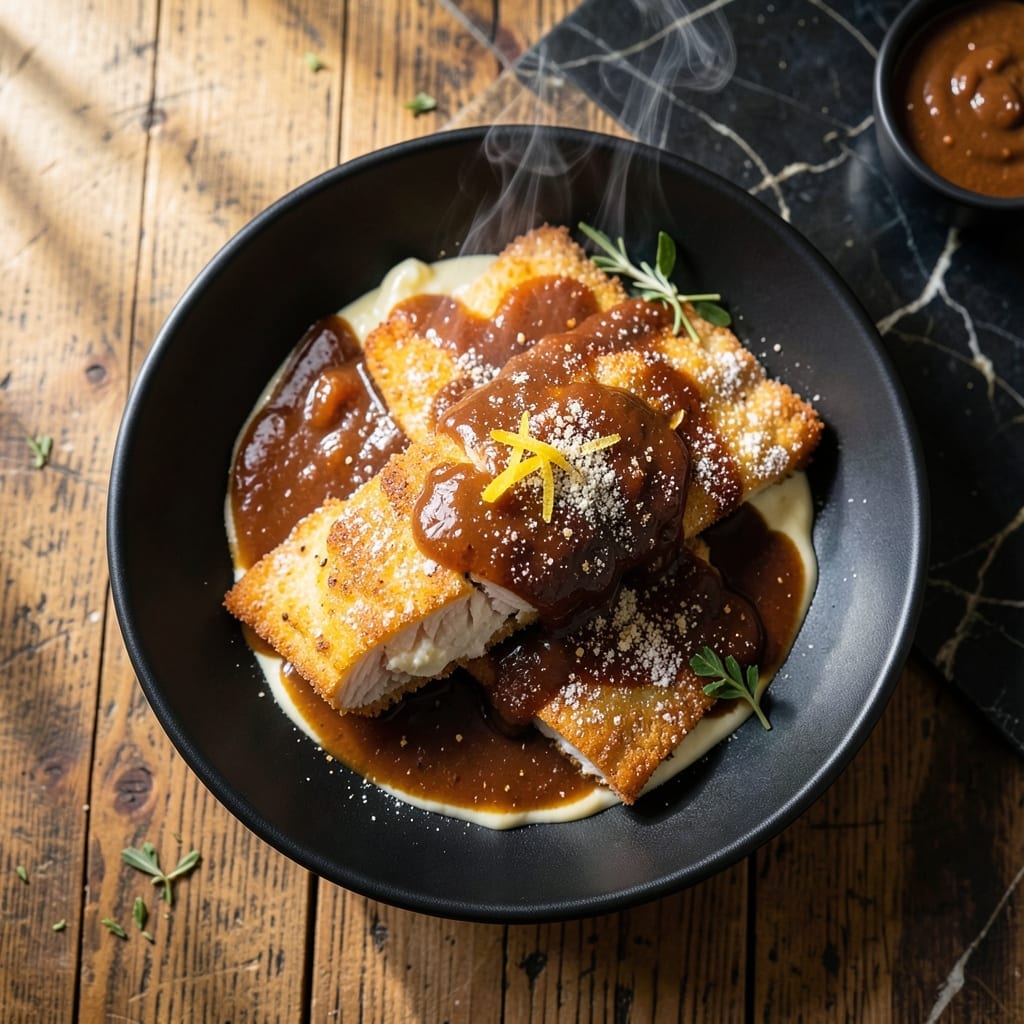
There’s nothing quite like the first bite of perfectly cooked fish with a crispy exterior and bold, spicy kick. This recipe transforms tender fish into restaurant-quality bites that deliver serious heat and texture in every mouthful.
I’ve refined this method over years of testing, balancing the right spice blend with a cooking technique that guarantees crispy results. The key is a hot pan and precise timing to lock in moisture while creating that signature crunch.
The buffalo seasoning adds layers of tangy, fiery flavor that pairs beautifully with the delicate fish. Each piece emerges golden and flaky, with a coating that’s packed with bold, unmistakable spice.
Serve these as an appetizer or main dish—they’re versatile enough for any occasion.
Ingredients for Buffalo Fish
Firm white fish and bold spices create restaurant-quality crispy bites with serious heat.
| Ingredient | Amount | Notes |
|---|---|---|
| Firm White Fish Fillets 🐟 | 1 ½ lb | Cod or haddock recommended |
| All-Purpose Flour 🌾 | 1 cup | For dredging fish |
| Cornstarch 🌾 | ½ cup | Ensures extra crispiness |
| Buffalo Sauce 🌶️ | ¾ cup | Frank's RedHot preferred |
| Unsalted Butter 🧈 | 4 tbsp | Melted for sauce |
| Garlic Powder 🧄 | 1 tsp | For seasoning flour |
| Onion Powder 🧅 | 1 tsp | For seasoning flour |
| Paprika 🌶️ | 1 tsp | Smoked variety preferred |
| Cayenne Pepper 🔥 | ½ tsp | Adjust for heat preference |
| Kosher Salt 🧂 | 1 tsp | Diamond Crystal preferred |
| Freshly Ground Black Pepper 🌶️ | ½ tsp | For seasoning flour |
| Vegetable Oil 🫒 | 1 cup | High smoke point for frying |
| Ranch Dressing 🥛 | ½ cup | For serving (optional) |
| Blue Cheese Crumbles 🧀 | ½ cup | For serving (optional) |
| Celery Sticks 🥬 | 4 whole | For serving (optional) |
[recipe_ingredient_scaler]
The fish quality is paramount. Cod or haddock offer the ideal firm texture that holds up to frying and crisping. Fresh fillets from a reputable seafood counter (like Whole Foods or Local Fishmongers) ensure optimal results. Avoid pre-frozen fish—it releases too much moisture during cooking, compromising that signature crunch. For the buffalo sauce, Frank’s RedHot provides the perfect balance of heat and tang.
No cornstarch? Arrowroot powder works as a 1:1 substitute for crisping. Short on buffalo sauce? Hot sauce plus melted butter at a 2:1 ratio mimics the flavor profile. The flour dredge can be swapped with panko breadcrumbs for extra crunch, though the texture will differ slightly. For a gluten-free version, rice flour or almond flour are suitable alternatives.
Fry the fish immediately after dredging to maintain coating adhesion. Leftovers keep in the fridge for 2-3 days but are best served fresh. Reheat in a toaster oven or air fryer to revive crispiness. The buffalo sauce mixture can be prepared 1 day ahead and stored in the refrigerator.
Why You’ll Love This Recipe
- One Pan Wonder: Between us, the flour and cornstarch combo makes the crispiest coating with zero fuss—and it all cooks in one pan.
- Tangy Kick: That buttery buffalo sauce clings to the fish in the best way, spicy enough to tingle but balanced by the sweetness of the fillets.
- Weeknight Hero: I throw this together after work and it’s ready before the rice finishes. Honestly, it’s my go-to for busy Tuesdays.
- Budget Stretcher: Firm white fish is affordable, and a little goes a long way—leftovers (if there are any) taste even better the next day.
Step-by-Step Instructions for Buffalo Fish
Here’s the method. Straightforward, tested, works every time.
Step 1: Prepare and Season the Dredging Mixture
In a shallow bowl, combine the 1 cup all-purpose flour, 0.5 cup cornstarch, 1 tsp garlic powder, 1 tsp onion powder, 1 tsp paprika, 0.5 tsp cayenne pepper, 1 tsp kosher salt, and 0.5 tsp freshly ground black pepper. Whisk until evenly distributed.
This flour blend creates an ultra-crispy coating that clings to the fish. The cornstarch is essential—it absorbs moisture and creates a shatteringly crisp exterior. Don’t skip the seasoning in the dredge; it builds flavor from the outside in.
Step 2: Coat and Fry the Fish Fillets
Pat the 1.5 lb firm white fish fillets completely dry with paper towels. This removes surface moisture that would prevent the dredge from adhering. Dredge each fillet through the flour mixture, pressing gently to ensure full coverage on all sides. Shake off any excess.
Heat 1 cup vegetable oil in a large, heavy-bottomed skillet over medium-high heat to 350-375°F. Carefully place the dredged fillets in the hot oil—don’t overcrowd the pan. Fry for 3-4 minutes per side until golden brown and crispy. The coating should be deeply colored and audibly crisp when tapped with a spatula.
Step 3: Prepare the Buffalo Sauce
While the fish cooks, make the sauce. In a small saucepan, melt the 4 tbsp unsalted butter over low heat. Once melted, whisk in the 0.75 cup buffalo sauce and simmer for 1-2 minutes until fully combined and slightly thickened.
The butter tempers the heat of the buffalo sauce while adding a rich, velvety texture. Keep the heat low to prevent the sauce from breaking or becoming too thin. You want it thick enough to cling to the crispy fish.
Step 4: Toss and Serve Immediately
Transfer the fried fish to a paper towel-lined plate to drain excess oil. Immediately pour the warm buffalo sauce over the hot fillets, gently tossing to coat evenly. The heat from the fish will help the sauce adhere better, creating that signature sticky, spicy coating.
Serve at once with 4 whole celery sticks, 0.5 cup ranch dressing, and 0.5 cup blue cheese crumbles on the side. The crispy fish loses its texture quickly once sauced, so eat it fresh from the pan for the best experience.
Pro Tips For Making Buffalo Fish
- Pat Fish Dry: Use paper towels to thoroughly dry the fillets before dredging—I learned this the hard way after my first batch turned out soggy instead of crispy.
- Heat the Oil: Get your oil screaming hot (about 375°F) before adding the fish, or the coating will absorb oil and turn greasy rather than golden.
- Skip the Overcrowding: Fry in batches with space between each piece, or the temperature drops and you’ll end up with steamed, gummy fish instead of crispy.
- Melt Butter Slow: When mixing the buffalo sauce, melt the unsalted butter over low heat—adding it hot can break the sauce and make it separate.
Health Benefits of These Flavors
Lean Protein Power
This dish packs 30g of protein per 4-oz serving, making it perfect for muscle maintenance and repair. Fish protein is complete, containing all nine essential amino acids your body can’t produce on its own. I notice my energy stays steady for hours after eating.
Heart Healthy Fats
Cod and haddock are naturally low in saturated fats but provide omega-3 fatty acids that support heart health. These good fats help reduce inflammation and may lower blood pressure. A 6-oz portion gives you a solid dose without the calories of red meat. 💪
Rich in B Vitamins
You’ll get a boost of vitamin B12 and niacin from the fish, which are crucial for energy metabolism and nervous system function. These nutrients help convert food into usable energy, keeping you feeling vibrant throughout the day.
Low Calorie Option
At about 200 calories per serving (without sauce), this dish is a guilt-free indulgence. The crispy coating adds texture without excessive calories when cooked properly. I love that I can enjoy the crunch without overdoing it.
Essential Minerals
Fish provides selenium and phosphorus, minerals that support immune function and bone health. The buffalo sauce adds a small amount of lycopene from its tomato base, offering antioxidant benefits. 🥗
Metabolism Boost
The cayenne pepper in the sauce contains capsaicin, which may temporarily boost metabolism. Combined with the protein from the fish, this creates a satisfying meal that keeps you full longer while supporting your body’s natural processes.
Nutrition Facts
Frequently Asked Questions
What’s the best fish for this?
Cod or haddock work perfectly due to their firm texture. Avoid flaky varieties like tilapia, as they won’t hold up to frying. Always use fresh, never frozen, for the crispiest results.
Can I bake instead of fry?
Yes, but the texture will differ. Bake at 400°F for 15-20 minutes on a wire rack for air circulation. The coating won’t be as crispy, but it’s a healthier alternative.
How do I adjust the heat level?
Reduce or omit the cayenne pepper for milder flavor. For extra heat, add 1/4 tsp more or include a pinch of chili flakes to the sauce.
What if my sauce separates?
If the butter separates, remove from heat and whisk vigorously. To prevent this, keep the sauce on low heat and stir constantly. The emulsion will stay smooth.

Trained in classic French technique but raised on slow-cooked ribs and spicy rubs, she blends culinary skill with smoke and soul.
- Recipe for Boneless Pork Chops in Cast Iron Skillet: Sear and Baste to Juicy Perfection - October 3, 2026
- Recipe for Boneless Cross Rib Roast: Slow-Roasted Beef with Herb Crust - October 3, 2026
- Hamburgers in Sauce Recipe Crock Pot: Slow-Cooked Savory Delight - October 3, 2026