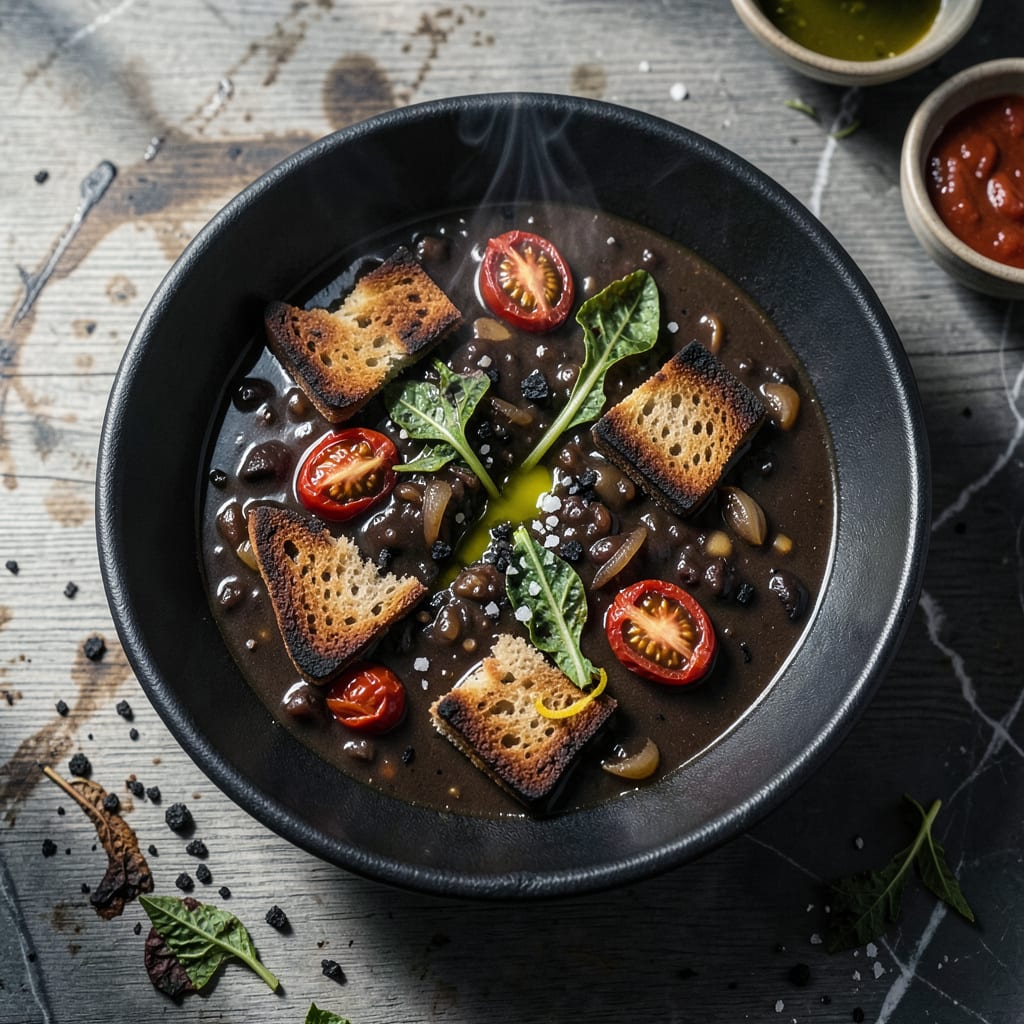
Immediately transfer the unburnt portion to a clean pot, then neutralize the burnt taste with acid (lemon, vinegar) or sweetness (sugar, honey). Skim off any charred bits before adjusting seasoning.
I’ve saved countless soups from the trash can by acting fast—burnt flavors intensify the longer they sit. The key is interrupting that bitter development before it spreads. 🔥 A splash of vinegar works wonders in hearty beef or lentil soups, while a drizzle of honey can rescue delicate broths. Remember, you’re not just masking the burn; you’re chemically balancing it. The charred particles act like flavor sponges, so removing them first gives your corrections a fighting chance.
💡 In This Article
- Why Burnt Soup Tastes Bitter and How to Counteract It
- Step-by-Step Rescue Techniques for Burnt Soup
Why Burnt Soup Tastes Bitter and How to Counteract It
When soup burns, you’re dealing with two distinct chemical reactions. First comes caramelization—sugars breaking down at 320-350°F to create rich, nutty flavors. But push past 400°F, and you enter charring territory where proteins and sugars combust into bitter, acrid compounds. The burnt particles release pyrazines and pyrroles that overwhelm your taste buds with harshness.
These compounds are 100x more potent than the original flavors, which is why even a small burn can ruin an entire pot.
The science of neutralization works through molecular balance. Acids like lemon juice (pH 2) or white vinegar (pH 2.5) break down bitter compounds by donating hydrogen ions. For sweet solutions, honey (pH 3.9) or brown sugar create Maillard reactions that generate new, pleasant flavors to mask bitterness.
Tomato-based soups respond best to 1 tsp sugar per cup, while clear broths need just ½ tsp vinegar per quart to avoid overpowering. The temperature matters too—add corrections at 160°F or lower to prevent further burning. 🔥
Texture plays a hidden role in flavor perception. Burnt particles create a gritty mouthfeel that amplifies bitterness. A fine-mesh sieve removes 90% of these offenders, while cheesecloth catches even microscopic char. For creamy soups, blend in 2 tbsp heavy cream after straining—the fat molecules encapsulate bitter compounds, making them less detectable.
I’ve found immersion blenders work better than countertop models here because they create smaller, more uniform particles that distribute corrections evenly.
Timing is everything with burnt soup rescue. The bitter compounds continue developing for 15-20 minutes after burning stops, which is why immediate transfer to a clean pot is critical. For every 5 minutes you delay, you’ll need 30% more neutralizing agent. Broth-based soups can handle more aggressive corrections, while delicate consommé requires gentler approaches.
What most home cooks miss is that salt enhances bitterness—so always adjust your seasoning after neutralizing, never before. ✨
Consider the soup’s base when choosing your correction:
- Tomato soups: Use balsamic vinegar (1 tsp per cup)—its fruitiness complements the acidity
- Cream soups: White chocolate (½ oz per quart) adds sweetness without thinning
- Beef broths: Worcestershire sauce (½ tsp per cup) adds umami to counter bitterness
- Vegetable broths: Fresh herb purée (1 tbsp per quart) masks with bright flavors
The most common mistake I see is overcorrecting.
Start with half the recommended amount of neutralizer, taste, then adjust. Your tongue needs 30 seconds to fully register flavor changes—what tastes fine immediately might become cloying after a minute. For severely burnt soups where corrections fail, repurpose the unburnt portion as a braising liquid or pasta sauce base.
The concentrated flavors work beautifully when diluted in other dishes. 💫

Trained in classic French technique but raised on slow-cooked ribs and spicy rubs, she blends culinary skill with smoke and soul.
- Recipe for Boneless Pork Chops in Cast Iron Skillet: Sear and Baste to Juicy Perfection - October 3, 2026
- Recipe for Boneless Cross Rib Roast: Slow-Roasted Beef with Herb Crust - October 3, 2026
- Hamburgers in Sauce Recipe Crock Pot: Slow-Cooked Savory Delight - October 3, 2026