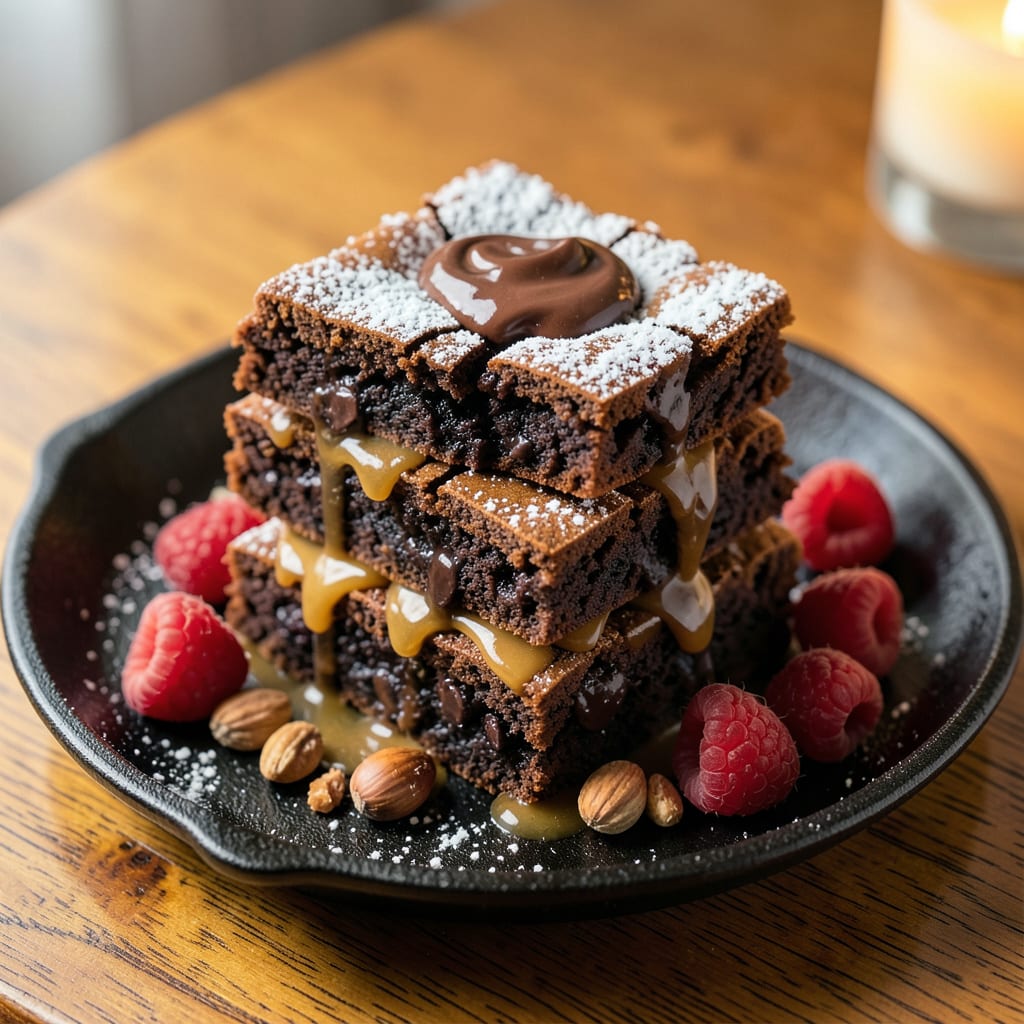
Using self-raising flour for brownies isn’t ideal—it contains baking powder, which can make them cakey instead of dense and fudgy. For best results, use all-purpose flour or swap with a 1:1 ratio and omit extra leavening agents.
I’ve tested this firsthand in my kitchen—self-raising flour’s built-in leavening throws off the delicate balance that gives brownies their signature richness. The extra lift creates air pockets that disrupt that coveted dense, velvety crumb we all love. 🔥 What’s fascinating is how the protein difference plays out: all-purpose flour’s moderate protein content (10-12%) creates just enough structure without overpowering the chocolate’s intensity, while self-raising’s additives push the texture toward cake territory.
Here’s my pro tip: if you’re in a pinch and must use self-raising, reduce any additional baking powder in your recipe by half. This small adjustment helps counteract the extra leavening while still maintaining some of that fudgy character you’re after. ✨
💡 In This Article
- How Self-Raising Flour Affects Brownie Texture and Rise
- Best Flour Substitutes for Perfect Brownies Every Time
How Self-Raising Flour Affects Brownie Texture and Rise
Self-raising flour contains 1-1.5 teaspoons of baking powder per cup, which introduces extra leavening that brownies simply don’t need. When this baking powder reacts with the acidic ingredients in your batter (like chocolate or brown sugar), it releases carbon dioxide gas.
This creates air pockets that make the crumb lighter and more cake-like, rather than the dense, fudgy texture we associate with classic brownies. 🔥 The gas expansion happens rapidly during baking, pushing the structure upward instead of allowing it to set into that signature chewy consistency.
The protein content difference plays a crucial role too. All-purpose flour typically has 10-12% protein, providing just enough gluten to hold the brownie together without making it tough. Self-raising flour often uses a lower-protein wheat base (around 8-9%), which means less structure formation.
Combine this with the extra leavening, and you get a brownie that rises more but collapses slightly as it cools, creating that unfortunate cakey texture. The fat in brownies (usually butter or oil) also interacts differently with these flour types—it coats the proteins more completely in all-purpose, creating that melt-in-your-mouth quality.
Here’s what happens at the molecular level: the baking powder in self-raising flour starts working immediately when mixed with wet ingredients, not just when heated. This means you’re getting premature gas formation before the brownie even hits the oven.
Then during baking, the heat accelerates this reaction, creating larger air bubbles that burst and leave tunnels in your finished product. Compare this to all-purpose flour brownies where the structure sets more uniformly, trapping moisture for that perfect fudgy bite. ✨
The sugar-to-flour ratio gets thrown off too. Brownie recipes are carefully balanced with high sugar content (often 1:1 or 2:1 sugar-to-flour) to create that crackly top and moist interior. Self-raising flour’s leavening disrupts this balance by creating more volume, which can make the sugar concentration seem lower per bite.
That’s why self-raising brownies often taste less intensely chocolatey—the flavor gets diluted across a larger, airier structure.
Temperature also plays a role in how these differences manifest. At 350°F (the typical brownie baking temperature), the baking powder in self-raising flour reaches its peak gas production within the first 5-8 minutes. This rapid rise can cause the edges to set before the center finishes cooking, leading to that dreaded “raw center/crumbly edge” combination.
All-purpose flour brownies, by contrast, set more evenly from edge to center, giving you consistent texture throughout. 💫
What most home bakers don’t realize is that self-raising flour often contains salt as well—usually about ¼ teaspoon per cup. This can throw off your recipe’s seasoning balance, especially in brownies where salt plays a crucial role in enhancing chocolate flavor.
The extra salt might make your brownies taste slightly more “baked” rather than rich and decadent. For comparison, most brownie recipes call for just a pinch of salt to highlight the chocolate notes without overpowering them.
The moisture content differs too. Self-raising flour tends to absorb liquids more quickly due to its finer grind and added ingredients. This means your batter might appear thicker initially, but then bake up drier as that moisture gets used up in the leavening reactions.
All-purpose flour gives you more control over hydration, letting you adjust for that perfect fudgy consistency where the center stays slightly underbaked but never raw. ⚡

Trained in classic French technique but raised on slow-cooked ribs and spicy rubs, she blends culinary skill with smoke and soul.
- Recipe for Boneless Pork Chops in Cast Iron Skillet: Sear and Baste to Juicy Perfection - October 3, 2026
- Recipe for Boneless Cross Rib Roast: Slow-Roasted Beef with Herb Crust - October 3, 2026
- Hamburgers in Sauce Recipe Crock Pot: Slow-Cooked Savory Delight - October 3, 2026