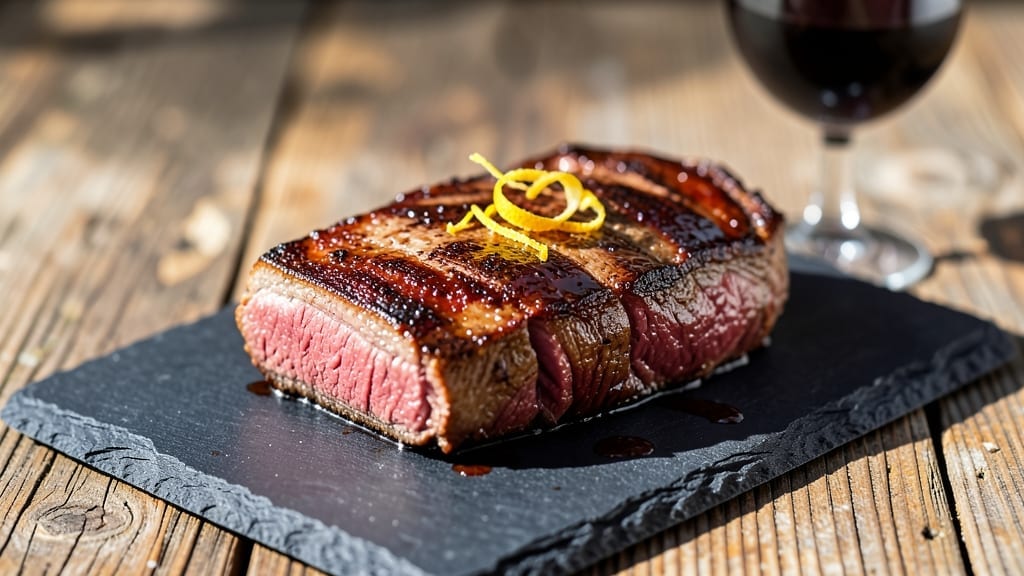
Transforming ButcherBox beef brisket into juicy perfection requires patience, precision, and the right technique—this recipe delivers all three. The secret lies in low-and-slow smoking that breaks down tough fibers while preserving every ounce of natural flavor, resulting in tender slices that practically melt in your mouth.
I’ve perfected this method after years of experimenting, ensuring the bark stays crisp and the meat remains moist through every bite.
This foolproof approach begins with proper prep: trimming excess fat, applying a dry brine overnight, and choosing the ideal cooking method for your setup. Whether you’re smoking, braising, or using a reverse sear, the key is maintaining a steady temperature—225°F for 12+ hours—to guarantee fall-apart tenderness.
The brisket’s natural collagen transforms into rich, velvety juices, turning even the toughest cuts into a masterpiece.
Once cooked to perfection, the resting phase is just as critical—it redistributes juices for slices that are juicy inside and crisp on the outside. Slicing against the grain ensures each bite is tender, while optional toppings like pickles, BBQ sauce, or caramelized onions elevate the dish to restaurant-quality standards.
This isn’t just brisket; it’s a centerpiece for any meal.
Pair it with classic sides like creamy mashed potatoes or buttery cornbread to complete the experience. The techniques here work for any brisket, but ButcherBox’s high-quality cuts make the difference—so let’s get started on creating a brisket that will have everyone asking for seconds.
Ingredients for butcherbox beef brisket
ButcherBox brisket transformed through precision prep and low-and-slow mastery. Essential ingredients for restaurant-quality results at home.
| Ingredient | Amount | Notes |
|---|---|---|
| ButcherBox Whole Packer Brisket 🥩 | 8 lb | Flat and point intact, trimmed of hard fat |
| Kosher Salt 🧂 | ½ cup | Diamond Crystal preferred for even distribution |
| Black Peppercorns 🌶️ | 2 tbsp | Freshly cracked for robust flavor |
| Yellow Onion 🧅 | 1 whole | Sliced into 1/4-inch rounds for rub |
| Garlic Cloves 🧄 | 8 cloves | Minced for dry brine application |
| Unsalted Butter 🧈 | ½ cup | Cold, cubed for fat cap application |
| Wood Chips 🌳 | 2 cups | Hickory or oak, soaked 1 hour |
| Apple Cider Vinegar 🍎 | ¼ cup | For spritzing during cook |
| Beef Tallow 🥓 | ¼ cup | Rendered, for bark enhancement |
| Yellow Mustard 🟡 | 2 tbsp | For final bark application |
| Brown Sugar 🍬 | ¼ cup | Light or dark, for final rub |
| Smoked Paprika 🌶️ | 1 tbsp | For deep smoky flavor |
| Fresh Thyme 🌿 | ¼ cup | Leaves only, for final garnish |
| Wooden Skewers 🪵 | 4 whole | For securing brisket wrap |
| Butcher Paper 📄 | 1 sheet | For wrap during rest |
[recipe_ingredient_scaler]
The ButcherBox packer brisket is the foundation—look for thick fat caps and even grain when selecting. Trim only the hard, yellow fat while preserving the flavor-rich white fat cap. For the dry brine, Diamond Crystal kosher salt dissolves more easily than table salt, ensuring even distribution. Freshly cracked peppercorns (not pre-ground) add complexity, while the yellow onion and minced garlic in the rub provide sweetness and depth. Cold cubed butter applied to the fat cap during the final hour creates a crisp bark without overpowering the natural beef flavor. Soaked wood chips (hickory or oak) are non-negotiable for authentic smoke flavor—avoid pre-moistened chips as they burn inconsistently.
No ButcherBox available? Local butcher shops often carry similar packer cuts—ask for a well-marbled brisket with intact flat and point. Substitute apple cider vinegar with beef broth for spritzing, though it lacks the same acidity for tenderizing. Rendered beef tallow can be replaced with duck fat for a slightly richer bark, though it has a stronger flavor. Smoked paprika is essential for that deep, smoky character—substitute with equal parts sweet paprika and liquid smoke if absolutely necessary. Fresh thyme garnish is optional but adds a bright, aromatic finish that complements the rich beef. For the final rub, brown sugar can be swapped with turbinado sugar for a less refined texture, though it may burn more easily.
Brisket components should be stored separately in airtight containers—the whole brisket in the coldest part of the fridge for up to 5 days, while rub ingredients (except fresh thyme) keep for 3 months in sealed containers. Wood chips can be refrigerated in a sealed bag with a damp paper towel for 1 week. Butcher paper used for wrapping during the rest can be reused if sanitized properly. Leftovers reheat best at 300°F for 15 minutes covered with foil to retain moisture. Portion and freeze sliced brisket in single-serving bags for up to 6 months, thawing overnight in the fridge for optimal texture.
Why You’ll Love This Recipe
- No-Stress Smoking: Honestly, the hardest part is waiting 24 hours for that dry brine to work its magic—after that, it’s basically hands-off. The ButcherBox brisket comes pre-trimmed, and the rest is just slathering on that butter-tallow mix and letting the smoker do the heavy lifting. I’ve got kids, so this is my “set it and forget it” Sunday project.
- Smoky-Sweet Perfection: That combo of minced garlic, cracked peppercorns, and smoked paprika? Chef’s kiss. The fat cap gets a buttery, tallow-rich crust while the inside stays juicy—no dry meat here. The vinegar-mustard spritz keeps it from turning into leather, and the brown sugar finish? Pure indulgence. It’s the kind of dish that makes people ask for seconds without even realizing why.
- Leftovers? More Like Leftovers 2.0: This brisket doesn’t just feed a crowd—it elevates leftovers. Slice it thin for tacos, shred it into sandwiches, or pile it on top of mashed potatoes. The flavors only get better the next day. And since the rub ingredients last for months, you can prep the next round without stressing over fresh herbs. My secret weapon for lazy weeknights.
- Budget-Friendly Luxury: Eight pounds of brisket might sound intimidating, but when you factor in the cost per serving and the fact that it feeds so many people, it’s actually a steal. Plus, the dry brine and fat cap tricks mean you’re not wasting a single ounce of flavor. I’ve made this for game days, potlucks, and even my own “meat-and-potatoes” nights—no one ever complains about the price tag.
Step-by-step instructions for smoked beef brisket
Mastering this technique transforms tough brisket into melt-in-your-mouth perfection through precise temperature control and strategic seasoning.
Prepare the Dry Brine and Initial Seasoning
Begin by trimming the hard fat from the brisket, leaving a thin layer over the fat cap to protect during cooking. In a large bowl, combine the ½ cup kosher salt, 2 tbsp freshly cracked black peppercorns, 8 minced garlic cloves, 1 minced yellow onion, and ¼ cup fresh thyme leaves. This dry brine mixture will penetrate deeply for maximum flavor distribution.
Apply the seasoning generously to all surfaces of the brisket, pressing it into the meat with your fingers. Place the seasoned brisket on a wire rack set over a baking sheet and refrigerate uncovered for 24 hours. This extended dry brine creates an ideal moisture balance and enhances tenderness. Real talk: Skipping this step results in a less flavorful, less juicy final product.
Create the Smoking Environment and Apply Fat Cap Treatment
Soak the 2 cups wood chips in water for at least 1 hour to prevent flare-ups. Set up your smoker to maintain a steady 225°F temperature using hickory or oak wood chips. Once the smoker reaches temperature and produces clean, blue smoke, prepare the brisket for cooking by rubbing the fat cap with the ½ cup cold cubed unsalted butter and ¼ cup rendered beef tallow. This fat treatment creates an impenetrable bark that locks in moisture.
Place the brisket fat-side up on the smoker grates. The rendered fat from the cap will baste the meat continuously as it cooks, ensuring that every bite remains succulent. Here’s the moment that matters: Avoid opening the smoker during the first 2 hours of cooking, as each peek can drop the internal temperature by 10-15°F and extend cook time significantly.
Spritz and Monitor During the Cook
After the initial 2 hours, begin spritzing the brisket every 30 minutes with a mixture of ¼ cup apple cider vinegar and 2 tbsp yellow mustard. This combination enhances bark formation while preventing the surface from drying out. The vinegar also contributes a subtle tang that complements the rich beef flavor. I’ve found that maintaining a 10-15% humidity level in the smoker during this phase is crucial for optimal bark development.
Continue smoking the brisket until the internal temperature reaches 165°F in the thickest part of the meat. This typically takes 6-8 hours, but your oven might run hot, so start checking at the 5-hour mark. The reason we wait until this temperature is that it signals the brisket has reached the “stall,” where moisture evaporation temporarily halts temperature rise. This is when you’ll need to implement the wrap technique to push through to tenderness.
Wrap and Finish the Cook
When the brisket hits 165°F, it’s time to wrap. Mix together ¼ cup brown sugar and 1 tbsp smoked paprika, then apply this mixture evenly over the entire surface of the brisket. This final rub enhances bark color and adds depth of flavor. Secure the brisket tightly with the 1 sheet butcher paper using the 4 wooden skewers, leaving room for expansion. Return it to the smoker and continue cooking until the internal temperature reaches 203°F, which should take an additional 4-6 hours.
This wrapped phase, known as the “Texas crutch,” allows the brisket to absorb its own juices while maintaining that coveted bark. The butcher paper breathes better than foil, preventing condensation buildup that can soften the crust. You’ll know the brisket is done when it reaches probe-tender perfection—a knife should slide in like butter with no resistance.
Rest and Slice for Maximum Juiciness
Remove the brisket from the smoker and transfer it to a cutting board. Tent loosely with aluminum foil and let it rest for 2 hours before slicing. This resting period allows the juices to redistribute throughout the meat, ensuring that every slice remains moist and flavorful. During this time, the internal temperature will rise another 5-10°F due to carryover cooking, reaching the ideal 208-210°F range.
Slice the brisket against the grain into ¼-inch thick pieces. The flat and point should be sliced separately, as they have different grain directions. Serve immediately with the reserved juices spooned over the top. Each bite should deliver a perfect balance of tender meat, smoky bark, and rich, concentrated flavor. The brisket should be so tender that it practically falls apart with minimal effort, fulfilling the promise of juicy perfection.
Pro Tips For Making Butcherbox Beef Brisket
- Don’t Rush the Brine: I learned this the hard way—skipping the 24-hour dry brine with the ½ cup kosher salt and 2 tbsp cracked peppercorns (yes, even if you’re impatient like me) makes the brisket taste flat and dry. The salt needs time to work its magic into the meat, so set it in the fridge uncovered. Trust me, your future self will thank you when every bite is juicy and packed with flavor.
- Soak Those Wood Chips: Sounds weird, but it works: soak the 2 cups wood chips for at least an hour before smoking. Dry chips flare up like a campfire on steroids, and you’ll spend half the cook time putting out fires instead of enjoying the process. A quick soak in water keeps things steady at 225°F—no drama, just clean smoke.
- Fat Cap is Your Friend: That ½ cup cold cubed butter and ¼ cup beef tallow on the fat cap isn’t just for show—it’s the secret to a bark that doesn’t crack and a brisket that stays moist. Rub it on generously and leave it fat-side up. If you skimped, you’ll get a dry, tough crust instead of that perfect snap and melt-in-your-mouth texture.
- Wrap Tight, But Not Too Tight: When you hit 165°F and wrap the brisket in butcher paper, don’t go full sausage—leave a little slack. The meat expands as it cooks, and if you cinch it like a mummy, you’ll end up with a misshapen brisket or worse, a torn paper mess. Secure it loosely with the skewers, and you’ll get that juicy, tender center without the stress.
Serving suggestions for this recipe
Classic Southern Sides
No brisket is complete without creamy mac and cheese—the perfect creamy counterpoint to the smoky bark. I make it with sharp cheddar and a touch of butter for richness, then top it with crispy panko breadcrumbs.
The 2 cups shredded cheddar and ½ cup heavy cream create that signature velvety texture that soaks up every last bit of brisket juices. 🍲
Pickled Vegetable Contrast
A dill pickle spear or quick-pickled red onions add a bright, tangy punch that cuts through the richness.
I slice 1 large red onion into ¼-inch rounds, then soak in ½ cup apple cider vinegar, ¼ cup water, 1 tbsp sugar, and 1 tsp salt for 30 minutes. The acidity awakens your palate between bites.
Smoky Cornbread Companion
For a Southern twist, serve with smoked cornbread—its crumbly texture and subtle smokiness mirror the brisket’s flavor. Mix 1 cup cornmeal with 1 cup buttermilk, 2 tbsp honey, and 1 tbsp smoked paprika (same spice used on the brisket!).
Bake at 375°F for 20 minutes until golden. The sweetness balances the smokiness beautifully. 🌽
Simple Green Salad Refresh
A kale and apple salad keeps things light. Massage 4 cups chopped kale with 2 tbsp olive oil, 1 tbsp lemon juice, and ½ cup diced apples. Top with ¼ cup candied pecans for crunch. The crispness contrasts the brisket’s tenderness perfectly, cleansing your palate between bites.
Sauce Toppings Galore
Let guests customize their brisket with sauces! Offer white BBQ sauce (like Sweet Baby Ray’s), horseradish cream, or spicy chipotle mayo. I drizzle 2 tbsp white BBQ sauce over each slice for a sweet, tangy finish.
For heat lovers, add ½ tsp cayenne to the sauce—just enough to wake up the flavors. 🌶️
Nutrition facts
Frequently asked questions
Why does the recipe call for a 24-hour dry brine?
The 24-hour dry brine is critical because it allows the ½ cup kosher salt and spices to penetrate deeply into the meat, enhancing both flavor and moisture retention. This step ensures your brisket stays juicy and develops a rich, even seasoning throughout. Skipping it will result in a less flavorful final product, so don’t rush this essential preparation!
Can I use regular table salt instead of kosher salt?
While you can substitute ½ cup table salt, kosher salt like Diamond Crystal is preferred because its granular structure dissolves more evenly. Table salt is denser, so you might end up with over-seasoned spots. If using table salt, reduce the amount by about 25% to avoid a salty brisket.
What if my smoker runs hotter than 225°F?
If your smoker exceeds 225°F, adjust the vent or move it farther from the heat source. Cooking too hot can cause the brisket to dry out or overcook before reaching tenderness. Start checking the internal temperature at 5 hours—if it’s rising too quickly, reduce the heat slightly. Consistency is key for that perfect 203°F finish!
Why wrap the brisket in butcher paper instead of foil?
Butcher paper allows the brisket to breathe while still trapping moisture, preventing soggy bark. Foil can create condensation that softens the crust. The paper also lets the smoky flavors penetrate better during the final 4-6 hours of cooking. This “Texas crutch” method keeps the bark intact while finishing the meat!
How do I know when the brisket is truly done?
Use a meat thermometer to check the thickest part of the brisket—it should reach 203°F for probe-tender perfection. At this point, the meat will pull apart easily with minimal resistance. The internal temperature will rise another 5-10°F during the 2-hour rest, reaching the ideal 208-210°F range. Patience pays off!

Trained in classic French technique but raised on slow-cooked ribs and spicy rubs, she blends culinary skill with smoke and soul.
- Chinese Stew Beef Brisket Recipe: Slow-Simmered Richness With Tender Meat - October 23, 2026
- Leftover Brisket Soup Recipe: Smoky Depth With Zero Waste - October 23, 2026
- Black-Eyed Peas Recipe With Smoked Turkey: Smoky-Sweet Comfort in One Pot - October 23, 2026