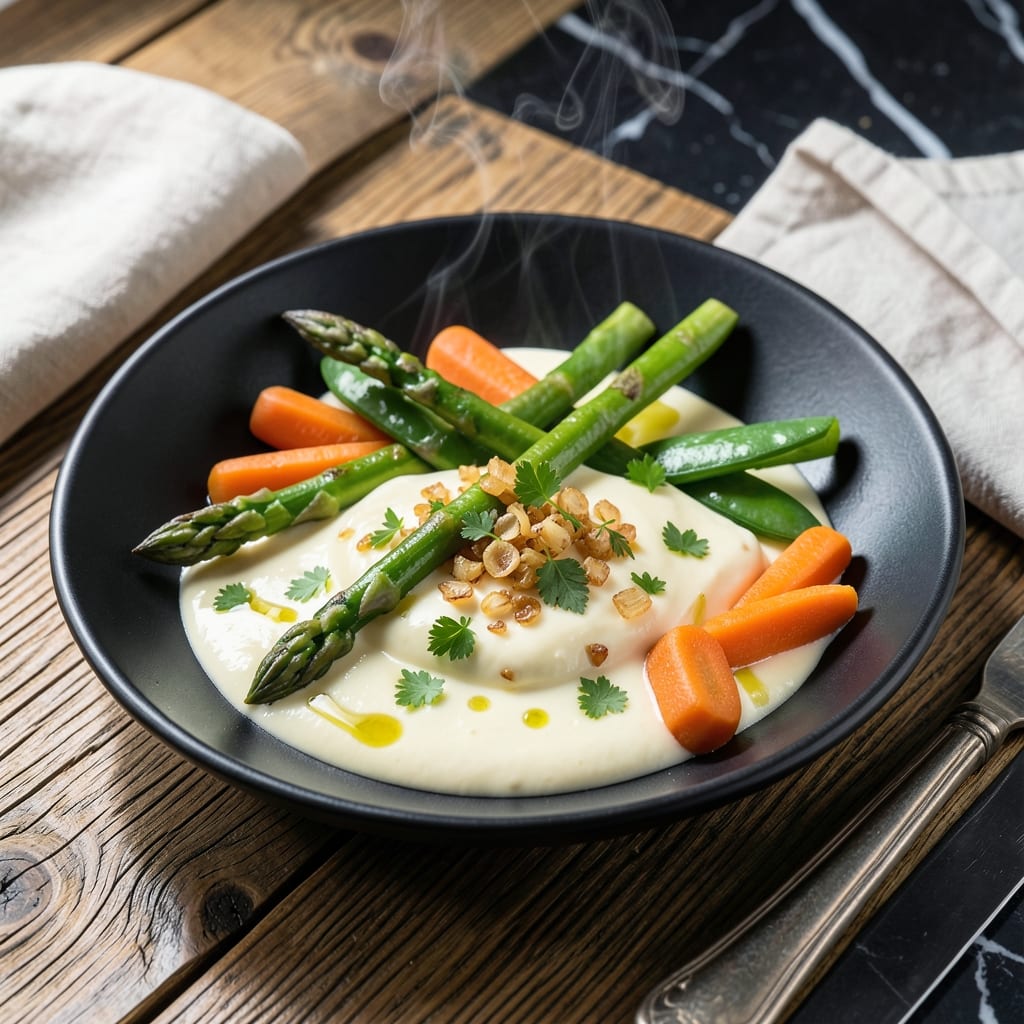
This silky butter sauce transforms ordinary vegetables into something extraordinary with minimal effort. A simple combination of butter, garlic, and herbs creates a rich, velvety drizzle that enhances any dish.
The recipe comes together in under 10 minutes, making it the perfect last-minute addition to steamed, roasted, or grilled vegetables. The sauce’s smooth texture clings beautifully to every bite.
What makes this sauce special is its versatility—drizzle it over asparagus, broccoli, or green beans for an instant upgrade. The gentle heat coaxes out deep, aromatic flavors without overpowering the vegetables.
Store leftovers in the fridge for up to 5 days, and reheat gently to restore its luxurious consistency. This sauce is a game-changer for elevating simple sides.
Ingredients for Butter Sauce Recipe for Vegetables
A handful of rich ingredients creates this velvety sauce ready in minutes.
| Ingredient | Amount | Notes |
|---|---|---|
| Unsalted Butter 🧈 | ½ cup | High-quality for best flavor |
| Garlic Cloves 🧄 | 3 cloves | Minced for even distribution |
| Fresh Parsley 🌿 | 2 tbsp | Finely chopped for texture |
| Fresh Thyme 🍃 | 1 tbsp | Stems removed, leaves only |
| Lemon Juice 🍋 | 1 tbsp | Freshly squeezed for brightness |
| Heavy Cream 🥛 | ¼ cup | Full-fat for richness |
| Salt 🧂 | ¼ tsp | Fine sea salt preferred |
| Black Pepper 🌶️ | 0.125 tsp | Freshly ground for best flavor |
| Shallot 🧅 | 1 whole | Finely minced for depth |
[recipe_ingredient_scaler]
The butter is the foundation, so opt for high-quality unsalted butter like Plugrá or European-style for superior richness. Fresh herbs are non-negotiable here—Parsley and thyme at the farmers market or well-stocked grocers like Whole Foods will have the most vibrant options. Avoid pre-minced garlic; it lacks the aroma and freshness needed for this sauce.
No fresh herbs? Dried at one-third the amount works in a pinch, but fresh is ideal. Swap the thyme for rosemary if you prefer a piney note. Heavy cream can be replaced with half-and-half for a lighter version, though the texture won’t be as luscious. For a dairy-free twist, coconut cream mimics the richness surprisingly well.
This sauce keeps beautifully in the fridge for up to 5 days. Store in an airtight container and reheat gently over low heat, stirring frequently. For longer storage, freeze for up to 3 months—just thaw and re-emulsify before using.
Why You’ll Love This Recipe
- 5-Minute Magic: I melt the butter, toss in the garlic, and it’s done before the veggies finish steaming.
- Garlicky Brightness: That rich butter with a hit of lemon and fresh thyme makes even frozen peas taste like a restaurant dish.
- Pairs with Anything: I drizzle it over asparagus one night, then use the leftovers for pasta the next.
- Pantry Stretch: Between us, I always have these ingredients on hand, so dinner never feels like a last-minute scramble.
Step-by-Step Instructions for Butter Sauce for Vegetables
Master this technique for a velvety, restaurant-quality sauce that elevates any vegetable dish.
Step 1: Sauté Aromatics in Butter
In a medium saucepan, melt the 0.5 cup unsalted butter over medium heat. Add the 1 whole shallot (finely minced) and cook for 2-3 minutes until translucent and fragrant, stirring frequently to prevent browning.
Add the 3 cloves garlic cloves (minced) and continue cooking for 1 minute until just golden at the edges. Be careful not to let the garlic burn—it should release a sweet, nutty aroma without developing any bitter notes. This aromatic base builds the foundation for your sauce.
Step 2: Infuse with Fresh Herbs
Stir in the 1 tbsp fresh thyme (stems removed, leaves only) and cook for 30 seconds until the leaves begin to sizzle and release their essential oils. The thyme should become bright green and aromatic, coating the butter with its earthy flavor.
This step ensures the herbs infuse the butter completely. Avoid adding the parsley here—it’s best incorporated at the end to preserve its fresh, vibrant character.
Step 3: Create the Silky Emulsion
Reduce heat to low and slowly whisk in the 0.25 cup heavy cream. Pour it in a thin stream while whisking constantly to create a smooth, stable emulsion. The mixture should begin to thicken slightly as it warms.
Continue whisking for 2-3 minutes until the sauce achieves a velvety consistency that coats the back of a spoon. If the sauce begins to separate, remove the pan from heat immediately and whisk vigorously until smooth—this usually resolves any separation.
Step 4: Finish with Brightness and Seasoning
Remove the saucepan from heat and stir in the 1 tbsp lemon juice. The acidity cuts through the richness and adds a bright, fresh dimension to the sauce. The mixture should look glossy and slightly thickened.
Add the 2 tbsp fresh parsley (finely chopped), 0.25 tsp salt, and 0.125 tsp black pepper. Taste and adjust seasoning if needed—the sauce should be well-balanced with a subtle saltiness that enhances rather than overpowers the natural flavors.
Step 5: Serve Immediately Over Vegetables
Transfer the sauce to a warm serving vessel or drizzle directly over prepared vegetables. The sauce is best served immediately while still warm and fluid. It should pool slightly around the vegetables, creating an elegant presentation.
For optimal texture, use the sauce within 30 minutes of preparation. If it thickens too much upon standing, gently reheat while whisking in a splash of warm water to restore its silky consistency.
Pro Tips For Making Butter Sauce Recipe For Vegetables
- Lower the Heat: I learned this the hard way—butter burns fast. Keep it at medium-low to let the garlic infuse without turning bitter.
- Mince the Garlic: Sounds obvious, but finely minced garlic distributes better and cooks evenly in the sauce. Big chunks can overpower or stay raw.
- Skip the Salt: Since you’re using unsalted butter, season at the end—reducing the sauce too early can make it overly salty as it thickens.
- Finish with Fresh: Stir in the parsley, thyme, and lemon juice off the heat. Heat dulls their flavor, and you want that bright, fresh pop over your vegetables.
Storing and Reheating butter sauce recipe for vegetables
Refrigerator Storage
Let this sauce cool to room temperature before transferring to an airtight container. I use glass jars with tight-fitting lids. Store it in the fridge at 40°F or below for up to 5 days. The flavors will deepen slightly over time. ❄️
Freezer Storage
For longer storage, freeze in ice cube trays first, then transfer the cubes to a freezer bag. It keeps well for up to 3 months without losing quality. Label with the date so you can track freshness easily.
Stovetop Reheating
Gently reheat over low heat in a small saucepan, whisking constantly to maintain the emulsion. Add a splash of warm water or cream if it appears too thick. This method preserves the silky texture perfectly.
Microwave Reheating
For quick reheating, use 30-second intervals at 50% power, stirring between each. Cover with a damp paper towel to prevent drying. Watch closely to avoid overheating, which can cause separation.
Reviving Separated Sauce
If the sauce breaks, don’t panic. Remove from heat and whisk vigorously while slowly adding 1 tsp cold water at a time. The emulsion should restore within 1-2 minutes of persistent whisking. 💡
Nutrition Facts
Frequently Asked Questions
What vegetables pair best with this?
Asparagus, broccoli, and green beans work wonderfully. The rich sauce also complements roasted carrots or grilled zucchini beautifully.
Can I make this ahead of time?
Yes, prepare up to 5 days in advance. Store in an airtight container and reheat gently, whisking to restore the silky texture.
Why did my sauce separate?
This happens if the heat is too high or if cream is added too quickly. Remove from heat and whisk in 1 tsp cold water to fix.
Can I use dried herbs instead?
Yes, but use 1/3 the amount of fresh. Dried herbs are more concentrated, so adjust to taste.

Trained in classic French technique but raised on slow-cooked ribs and spicy rubs, she blends culinary skill with smoke and soul.
- Recipe For Diced Pork In Slow Cooker: Melt-In-Your-Mouth Tenderness All Day - October 3, 2026
- Recipe for Crock Pot Lasagna Using Ravioli: No-Boil Cheese Layers - October 3, 2026
- Recipe for Cut Up Chicken: One-Pan Crispy Bites - October 3, 2026