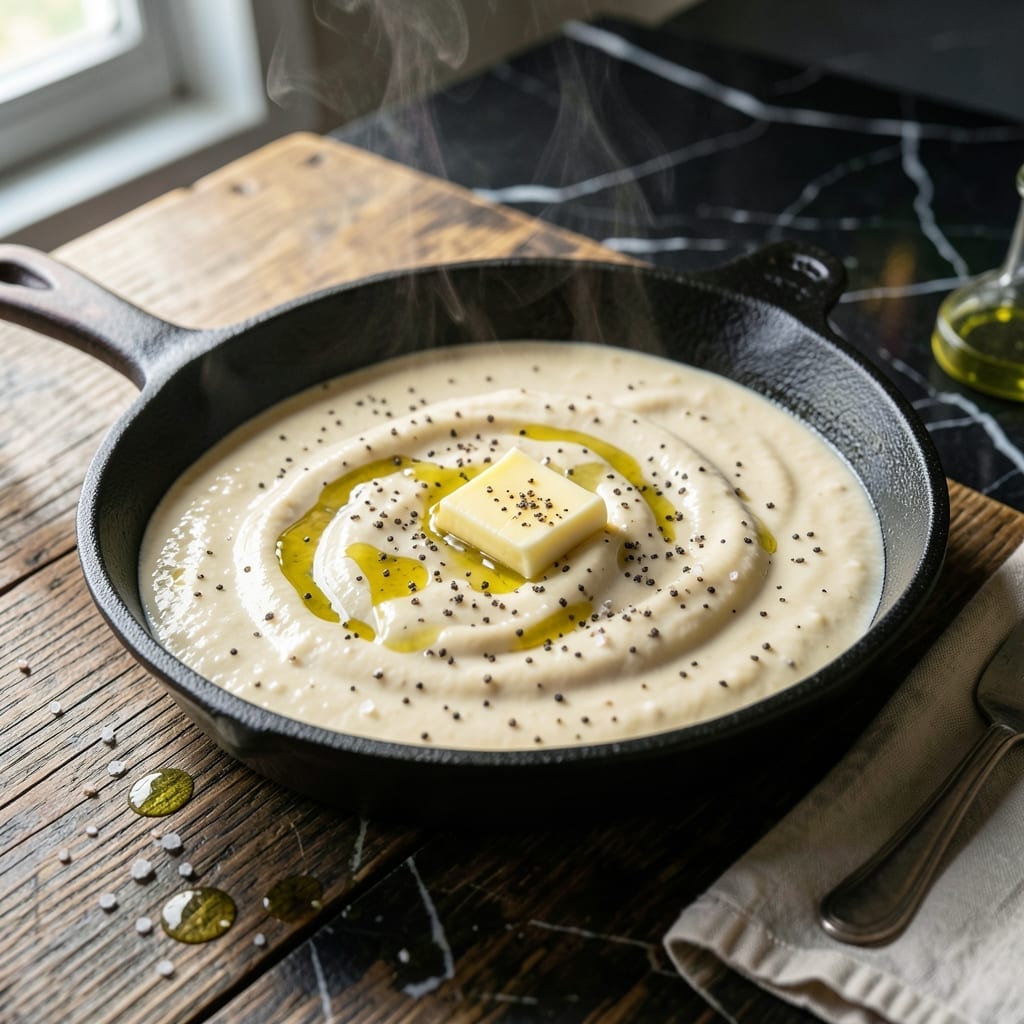
This Southern classic transforms simple pantry staples into a creamy sauce that elevates any meal. I’ve perfected this method over years of weekend breakfasts and holiday brunches, ensuring rich, velvety results every time.
The foundation is a smooth roux combined with tangy buttermilk, creating a sauce that’s thick yet pourable. A pinch of seasoning enhances the flavors without overwhelming the natural richness of the dairy.
What you’ll achieve is a luscious gravy that clings perfectly to biscuits, mashed potatoes, or fried chicken. The texture is the star—smooth, decadent, and impossible to resist.
Ready in under 15 minutes, this is the kind of recipe that turns ordinary dishes into something extraordinary.
Ingredients for Buttermilk Gravy
Nine ingredients craft this Southern staple with rich, velvety texture every time.
| Ingredient | Amount | Notes |
|---|---|---|
| Unsalted Butter 🧈 | ½ cup | For roux, European-style preferred |
| All-Purpose Flour 🌾 | ½ cup | Sifted for smooth texture |
| Whole Buttermilk 🥛 | 2 cups | Full-fat for richness |
| Whole Milk 🥛 | ½ cup | To thin gravy as needed |
| Kosher Salt 🧂 | 1 tsp | Diamond Crystal preferred |
| Freshly Ground Black Pepper 🌶️ | 1 tsp | Coarse grind for texture |
| Garlic Powder 🧄 | ½ tsp | For depth of flavor |
| Onion Powder 🧅 | ½ tsp | Balances creaminess |
| Cayenne Pepper 🔥 | ¼ tsp | Optional, for subtle heat |
[recipe_ingredient_scaler]
The butter and buttermilk are non-negotiable for authentic texture. Plugra or European-style butter has higher fat content, creating a richer roux. Full-fat buttermilk from the dairy case (not powdered) delivers that signature tang. Most grocery stores carry Kate’s or Cultured Buttermilk—avoid low-fat versions as they thin the gravy too much.
No buttermilk? Stir 1 tbsp lemon juice or vinegar into 2 cups whole milk and let sit 5 minutes. All-purpose flour is standard, but White Lily self-rising flour (a Southern staple) adds extra lift. The seasonings can be adjusted—white pepper for visual subtlety, or a pinch of smoked paprika for depth.
Gravy thickens as it cools. Store in an airtight container in the fridge for up to 5 days—reheat gently with a splash of milk. Freezes beautifully for 3 months. Stir vigorously before reheating as separation is natural.
Why You’ll Love This Recipe
- One-Pot Wonder: I melt the butter, whisk in flour, then slowly add the buttermilk and milk—no fancy tools, just a saucepan and a whisk.
- Rich and Tangy: The buttermilk gives it that little zing that regular gravy just can’t match, while the butter keeps it silky smooth.
- Breakfast to Dinner: Honestly, I pour this over biscuits at dawn and fried chicken at dusk—it doesn’t pick sides.
- Stretches Far: A single batch covers a crowd, and leftovers (if any) reheat beautifully for lazy Sunday brunches.
Step-by-Step Instructions for Buttermilk Gravy
Master the technique for silky, luxurious gravy that elevates any Southern meal.
Step 1: Create a Smooth Roux Base
Melt 0.5 cup unsalted butter in a heavy-bottomed saucepan over medium heat. I use European-style butter for its higher fat content, which creates a richer foundation.
Once the butter melts and begins to foam slightly, whisk in the 0.5 cup all-purpose flour. The mixture will look dry and lumpy at first. Continue whisking constantly for 3-4 minutes until it transforms into a smooth, golden paste with a nutty aroma. This cooking time removes the raw flour taste that would otherwise dominate your gravy.
Watch the color carefully—you want a light caramel shade, not dark brown. If it browns too quickly, reduce heat to medium-low. The roux should bubble gently but not smoke.
Step 2: Gradually Incorporate the Buttermilk
Slowly pour in 2 cups whole buttermilk, whisking vigorously with each addition. I add it in ½ cup increments to prevent lumps from forming. The mixture will thicken dramatically at first, then loosen as you incorporate more liquid.
After each addition, pause to whisk until the gravy looks smooth and homogeneous. The full-fat buttermilk creates that signature tangy richness that defines Southern-style gravy. Don’t rush this process—adding the liquid too quickly will cause the roux to seize up and create an unappealing, lumpy texture.
Continue whisking until the gravy reaches your desired consistency. For a thicker gravy, cook for an additional 1-2 minutes. For a thinner version, proceed to the next step.
Step 3: Thin and Season the Gravy
If the gravy looks too thick, whisk in 0.5 cup whole milk until it reaches your preferred consistency. I prefer my gravy to coat the back of a spoon but still pour easily—about the consistency of heavy cream.
Now add 1 tsp kosher salt, 1 tsp freshly ground black pepper, 0.5 tsp garlic powder, 0.5 tsp onion powder, and 0.25 tsp cayenne pepper. The cayenne adds a subtle warmth that balances the creaminess without overpowering.
Taste and adjust seasoning as needed. Remember that the gravy will mellow slightly as it cools, so err on the side of slightly over-seasoning at this stage. The Diamond Crystal kosher salt I use has a lighter density, so if you’re using a different brand, you may need to adjust the quantity slightly.
Step 4: Simmer and Refine the Texture
Reduce heat to low and let the gravy simmer gently for 5-7 minutes. Stir occasionally to prevent a skin from forming on the surface. This simmering time allows the flavors to meld and the gravy to reach its final, velvety consistency.
If the gravy thickens too much during simmering, whisk in an additional splash of whole milk. Conversely, if it’s too thin, allow it to simmer a bit longer—the residual heat from the roux will continue to thicken it slightly even after you remove it from the stove.
Remove from heat once the gravy has a glossy sheen and coats the back of a spoon beautifully. Serve immediately while hot, as it will continue to thicken as it cools.
Pro Tips For Making Buttermilk Gravy
- Brown the Flour: Cook the flour in melted butter until it turns a light golden brown—this removes the raw taste and adds depth, but don’t let it darken too much or it’ll overpower the buttermilk tang.
- Warm the Buttermilk: Take the chill off the buttermilk by letting it sit out for 10-15 minutes before adding it to the roux; cold buttermilk can cause the gravy to seize up or turn lumpy.
- Whisk Constantly: Once you start adding the milk and buttermilk, whisk nonstop until the gravy thickens—this prevents clumps and ensures a silky texture.
- Season at the End: Wait to salt the gravy until it’s fully thickened, then adjust to taste; the buttermilk’s acidity can mute the saltiness, so you’ll often need more than you expect.
Wine and Beer Pairings for This Recipe
White Wine Options
A crisp Sauvignon Blanc from New Zealand cuts through the richness beautifully. Its bright acidity and citrus notes refresh your palate between bites. I particularly enjoy Kim Crawford or Oyster Bay with this dish. 🍷
Red Wine Choices
For red lovers, a light Pinot Noir works wonderfully. Try one from Oregon’s Willamette Valley—Domaine Serene or A to Z offer great balance. The earthy notes complement without overpowering the gravy’s creaminess.
Beer Pairings
A crisp American lager like Budweiser or Coors Banquet cleanses your palate. For craft options, a Kolsch from Reissdorf provides subtle fruit notes that pair well with the tangy buttermilk.
Non-Alcoholic Options
Sparkling water with lemon or lime offers a refreshing contrast. I also love sweet tea—its mild sweetness balances the gravy’s savory notes perfectly. Serve it over ice for a Southern touch.
Coffee Pairing
A cup of black coffee works surprisingly well, especially for breakfast. The bitterness cuts through the richness. I prefer a medium roast from local shops—it’s my morning ritual with biscuits and gravy. ☕
Nutrition Facts
Frequently Asked Questions
Can I use regular milk instead of buttermilk?
Yes, but add 1 tbsp vinegar or lemon juice per 1 cup milk and let sit 5 minutes to mimic buttermilk’s tang. The acidity is key for authentic flavor.
Why did my gravy turn out lumpy?
Lumps form when liquid is added too quickly to the roux. Always whisk constantly and pour buttermilk in slowly, ½ cup at a time. A whisk helps break up any clumps.
How do I fix gravy that’s too thick?
Thin it gradually with whole milk until it reaches your desired consistency. Start with 2 tbsp at a time, whisking well between additions.
Can I make this gravy ahead of time?
Store in an airtight container in the fridge for up to 5 days. Reheat gently on the stove with a splash of milk, stirring constantly.

Trained in classic French technique but raised on slow-cooked ribs and spicy rubs, she blends culinary skill with smoke and soul.
- Recipe for Boneless Pork Chops in Cast Iron Skillet: Sear and Baste to Juicy Perfection - October 3, 2026
- Recipe for Boneless Cross Rib Roast: Slow-Roasted Beef with Herb Crust - October 3, 2026
- Hamburgers in Sauce Recipe Crock Pot: Slow-Cooked Savory Delight - October 3, 2026