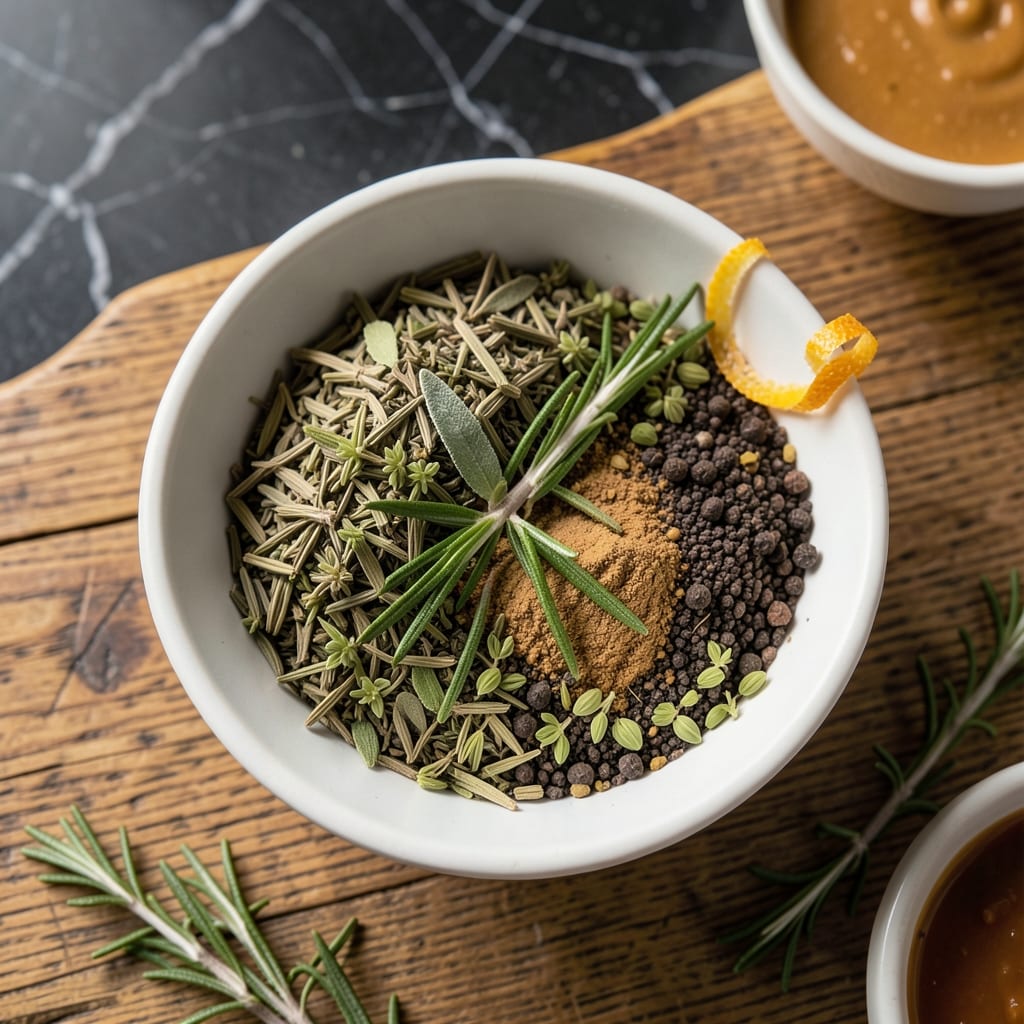
This sauce transforms seafood with a bold, creamy Cajun kick that balances heat and richness perfectly. I developed it specifically to complement shrimp and fish without overpowering their natural flavors.
With just a few pantry staples and 10 minutes, you’ll have a versatile sauce that elevates grilled, blackened, or fried seafood. It keeps well in the fridge for up to a week.
Ingredients for Cajun Sauce Recipe for Seafood
Nine ingredients. Ten minutes. Bold, creamy Cajun magic for your seafood.
| Ingredient | Amount | Notes |
|---|---|---|
| Mayonnaise 🥚 | 1 cup | Full-fat for creaminess |
| Sour Cream 🥛 | ½ cup | Or substitute Greek yogurt |
| Cajun Seasoning 🌶️ | 2 tbsp | Adjust for heat preference |
| Hot Sauce 🔥 | 1 tbsp | Louisiana-style preferred |
| Worcestershire Sauce 💧 | 1 tbsp | Adds umami depth |
| Lemon Juice 🍋 | 1 tbsp | Freshly squeezed for brightness |
| Dijon Mustard 🟡 | 1 tbsp | Balances creaminess with tang |
| Honey 🍯 | 1 tbsp | Smooths out the heat |
| Garlic Cloves 🧄 | 2 cloves | Minced for even distribution |
[recipeingredientscaler]
The mayonnaise and sour cream are doing the heavy lifting for that creamy base. Duke’s or Hellmann’s for mayo—skip the low-fat stuff. For sour cream, Kraft or Daisy are solid, but I’ve used full-fat Greek yogurt in a pinch (same tang, less guilt). The Cajun seasoning? Tony Chachere’s is my go-to, but any blend with cayenne, paprika, and garlic works.
No Cajun seasoning? Mix 1 tbsp paprika, 1 tsp garlic powder, 1 tsp onion powder, 0.5 tsp cayenne, and 0.5 tsp black pepper. Short on hot sauce? Tabasco or Crystal both bring the heat. If you’re avoiding dairy, swap the sour cream for coconut cream—adds a nice richness without curdling.
This keeps 1 week in the fridge, no problem. The flavors actually deepen after a day. Freezing? Not ideal—it’ll separate. But if you must, 3 months max, and give it a good stir after thawing.
Why You’ll Love This Recipe
- Five-Minute Mix: I just dump mayo, sour cream, and a shake of Cajun seasoning in a bowl—no chopping, no fuss.
- Smoky Kick: That first drag through the sauce hits you with heat from the hot sauce and depth from the Worcestershire.
- Dinner or Dip: I slather it on grilled shrimp one night and serve it as a veggie dip the next.
- Stretches Far: One batch covers a seafood boil for six and still leaves enough for sandwiches tomorrow.
Step-by-Step Instructions for Cajun Sauce for Seafood
Here’s the method I use to create this rich, velvety sauce with bold Louisiana flavors.
Step 1: Combine the Creamy Base
In a medium mixing bowl, I whisk together the 1 cup Mayonnaise and 0.5 cup Sour Cream until completely smooth and combined. The full-fat mayonnaise gives it that luxurious texture we’re after, while the sour cream adds a subtle tang that balances the heat we’ll be adding.
This base should look pale and silky with no visible streaks. I always use a whisk rather than a spoon here—it incorporates air slightly, which helps create that perfect creamy consistency promised in the title.
Step 2: Incorporate the Bold Seasonings
Next, I add the 2 tbsp Cajun Seasoning, 1 tbsp Dijon Mustard, and 1 tbsp Honey. The Cajun seasoning brings that signature spicy kick with layers of paprika, cayenne, and herbs, while the Dijon mustard adds a sharp tang that cuts through the richness.
The honey might seem unusual, but it smooths out the sharp edges of the heat and seasoning. Whisk vigorously for about 30 seconds until the mixture turns a warm, reddish-brown color and all the spices are fully distributed.
Step 3: Add the Liquid Elements for Depth
Now comes the flavor boost: I stir in the 1 tbsp Hot Sauce, 1 tbsp Worcestershire Sauce, and 1 tbsp Lemon Juice. The hot sauce amplifies the heat, while the Worcestershire adds umami depth that makes the sauce taste more complex than the sum of its parts.
The lemon juice brightens everything up, preventing the sauce from tasting flat. I taste at this point—if it needs more brightness, I might add a squeeze more, but the 1 tbsp usually hits the perfect balance.
Step 4: Finish with Aromatic Garlic
Finally, I mince the 2 cloves Garlic Cloves as finely as possible (you want it to distribute evenly throughout the sauce) and fold it in. Fresh garlic adds that essential aromatic punch that makes the sauce taste vibrant and fresh.
Let the sauce sit for at least 10 minutes before using to allow the garlic to mellow slightly and all the flavors to meld together. The texture should be thick but pourable, coating the back of a spoon beautifully.
This resting time is crucial—it lets the raw garlic flavor soften and the spices fully hydrate, creating a more harmonious blend. You’ll notice the sauce thickens slightly as it sits, which is exactly what we want for clinging to seafood.
Pro Tips For Making Cajun Sauce Recipe For Seafood
- Chill the Base: Mix the mayonnaise and sour cream first, then refrigerate for 20 minutes before adding seasonings—this keeps the sauce from separating when you fold in the Cajun spice and hot sauce.
- Bloom the Spices: Toast the Cajun seasoning in a dry pan for 30 seconds until fragrant before mixing it in; I learned this the hard way after my sauce tasted flat instead of deep and smoky.
- Skip the Cheap Mayo: Use full-fat, high-quality mayonnaise like Duke’s or Hellmann’s—low-fat versions turn the sauce thin and watery, and the flavor just isn’t the same.
- Balance the Heat: Add the hot sauce gradually, a teaspoon at a time, then taste—after ruining a batch with too much vinegar kick, I now let the Cajun seasoning do most of the heavy lifting.
Common Mistakes When Making cajun sauce recipe for seafood
🔥 Overcooking the Roux
A dark roux is key for deep flavor, but burning it can make your sauce bitter. Cajun roux needs constant stirring over medium-low heat to reach a rich, chocolate-brown color without scorching.
Fix: Use a heavy-bottomed pan and stir frequently. If it smells burnt, start over—there’s no saving a burnt roux!
🧂 Skimping on Cajun Seasoning
Cajun sauce relies on bold spices like paprika, cayenne, and garlic. Using pre-made blends can lack depth, and under-seasoning leaves your sauce tasting flat.
Fix: Toast whole spices (like cumin or coriander) before grinding, or use a high-quality Cajun seasoning. Taste as you go and adjust heat levels to preference.
🥛 Adding Dairy Too Early
Adding cream or butter too soon can cause the sauce to curdle or separate. Dairy should be incorporated slowly at the end to maintain a smooth, velvety texture.
Fix: Temper the dairy by gradually mixing in small amounts of the hot sauce before fully combining. Keep heat low to prevent breaking.
⏰ Rushing the Simmer
Cajun sauce needs time for flavors to meld. Skipping the simmer step results in a thin, underdeveloped sauce that lacks complexity.
Fix: Let the sauce simmer for at least 10–15 minutes on low heat, stirring occasionally. This builds richness and thickens the consistency.
Nutrition Facts

Trained in classic French technique but raised on slow-cooked ribs and spicy rubs, she blends culinary skill with smoke and soul.
- Octopus Recipe Pan Fried: Crispy Edges With Tender Bites - October 3, 2026
- Recipe For Fried Pork Chops In An Iron Skillet: Crispy Crust With Juicy Centers - October 3, 2026
- Recipe for Fully Cooked Spiral Ham: Sweet Glaze and Effortless Elegance - October 3, 2026