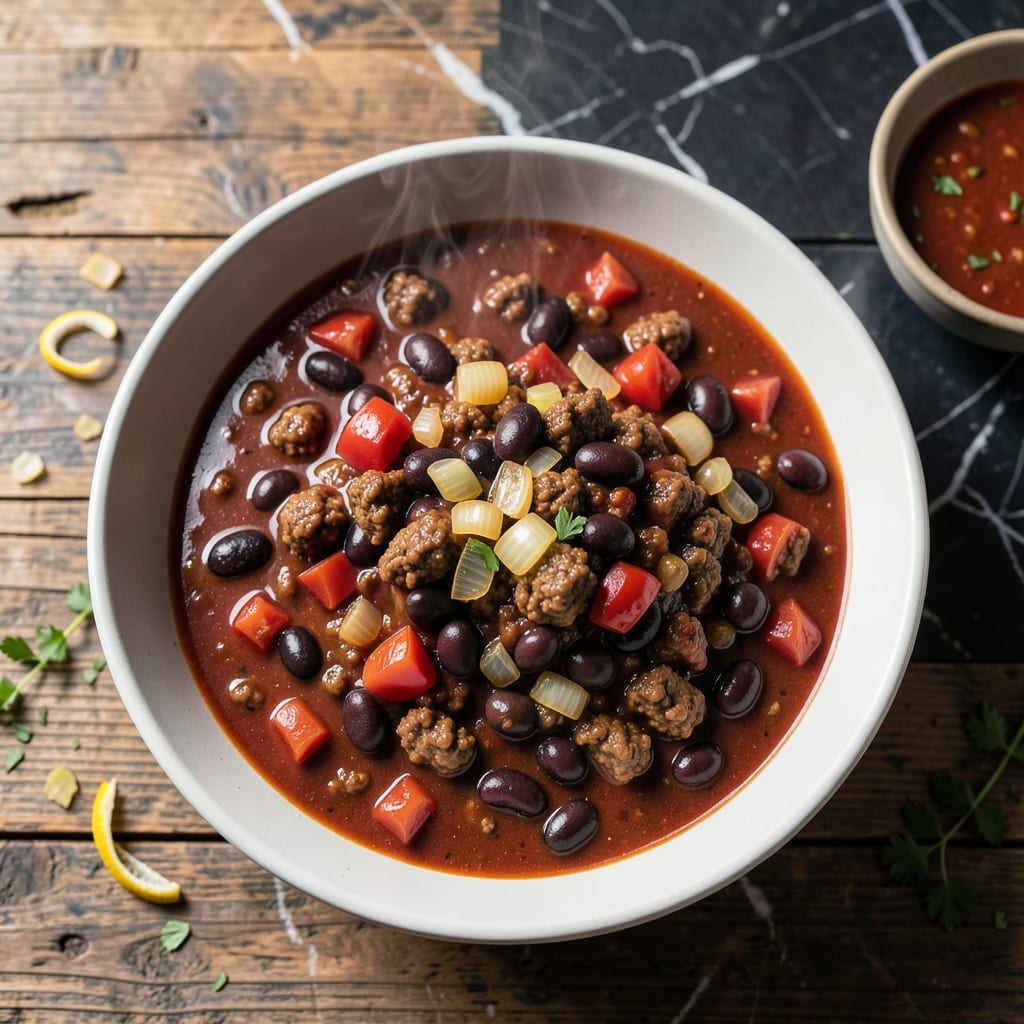
There’s nothing quite like the vibrant flavor of homemade spaghetti sauce made with sun-ripened tomatoes from your garden. This recipe captures the essence of summer in every spoonful.
With just a few simple ingredients and some patience, you’ll create a rich, velvety sauce that’s far superior to anything from a jar. The secret is slow cooking to concentrate the natural sweetness of the tomatoes.
Ingredients for Spaghetti Sauce Recipe Using Fresh Tomatoes
Sun-ripened tomatoes and garden herbs create this summer-infused sauce with minimal effort.
| Ingredient | Amount | Notes |
|---|---|---|
| Fresh Roma Tomatoes 🍅 | 8 lb | Ripe, cored and quartered |
| Extra-Virgin Olive Oil 🫒 | ¼ cup | High quality, fruity |
| Yellow Onion 🧅 | 1 whole | Medium, finely diced |
| Garlic Cloves 🧄 | 6 cloves | Minced for depth |
| Fresh Basil Leaves 🌿 | 1 cup | Packed, torn by hand |
| Fresh Oregano 🍃 | 2 tbsp | Chopped, stems removed |
| Sea Salt 🧂 | 2 tsp | Fine grain preferred |
| Black Pepper 🌶️ | 1 tsp | Freshly ground |
| Red Pepper Flakes 🔥 | ½ tsp | Adjust for heat preference |
| Balsamic Vinegar 🍷 | 2 tbsp | Aged for complexity |
[recipeingredientscaler]
The tomatoes are the soul here. Roma or San Marzano are ideal for their meaty texture and low water content—look for deep red color and a slight give when gently squeezed. Farmers markets or your own garden will yield the best results, but grocery store tomatoes work if they’re in season. Avoid refrigerated tomatoes, as cold dulls their flavor and texture.
No fresh oregano? Dried oregano at one-third the amount works well. Short on basil? Spinach or arugula adds a different but pleasant green note. If you lack balsamic vinegar, red wine vinegar can substitute, though it’s slightly sharper. The olive oil should be something you’d happily drizzle on bread—California Olive Ranch is a reliable brand.
Sauce keeps beautifully in the fridge for 5 days or can be frozen for 6 months. Portion into airtight containers, leaving a little headspace for expansion. For the freshest flavor, use within 3 days when refrigerated.
Why You’ll Love This Recipe
- Minimal Chopping Required: I just halve the Roma tomatoes and toss them in—no fancy knife skills needed.
- Sun-Kissed Taste: That burst of fresh tomato paired with garlic and basil? Ridiculously good.
- Freezer Friendly: I double the batch and freeze half for lazy nights. (Yes, even on a Tuesday night)
- Budget Winner: Roma tomatoes are cheap in summer, and this sauce tastes better than jarred.
Step-by-Step Instructions for Spaghetti Sauce Using Fresh Tomatoes
This method transforms garden-fresh ingredients into a rich, flavorful sauce worth savoring.
Step 1: Prepare and Blanch the Fresh Roma Tomatoes
Core and quarter all 8 lb Fresh Roma Tomatoes. I use a serrated knife for clean cuts. Bring a large pot of water to a boil and prepare an ice bath in a separate bowl. Blanch the tomatoes for 30-45 seconds until the skins begin to loosen.
Immediately transfer them to the ice bath to stop the cooking process. The skins will slip right off—this step ensures a smooth sauce without bitter skin fragments. Peel and set aside the tomatoes, discarding any tough cores.
Step 2: Sauté Aromatics in Extra-Virgin Olive Oil
Heat 0.25 cup Extra-Virgin Olive Oil in a large, heavy-bottomed pot over medium heat. Add the finely diced 1 whole Yellow Onion and cook for 5-6 minutes until soft and translucent, stirring occasionally.
Stir in the 6 cloves Garlic Cloves and cook for another 1 minute until fragrant but not browned. I keep the heat moderate here to prevent burning the garlic, which would add a bitter taste to the sauce. Add 0.5 tsp Red Pepper Flakes at this stage to infuse their heat into the oil.
Step 3: Simmer Tomatoes with Herbs and Seasonings
Add the peeled tomatoes to the pot, breaking them up slightly with a wooden spoon. Stir in 2 tbsp Fresh Oregano, 2 tsp Sea Salt, and 1 tsp Black Pepper. Bring the mixture to a gentle simmer.
Reduce heat to low and let it cook uncovered for 45-60 minutes, stirring occasionally. The sauce should thicken as excess liquid evaporates, and the tomatoes will break down into a chunky consistency. This slow cooking process deepens the flavors beautifully.
Step 4: Finish with Basil and Balsamic Vinegar
Remove the pot from heat and stir in 1 cup Fresh Basil Leaves and 2 tbsp Balsamic Vinegar. The basil adds a fresh, aromatic note, while the balsamic vinegar provides a subtle sweetness and complexity.
Let the sauce sit for 10 minutes to allow the flavors to meld together. Taste and adjust seasoning if needed, though the balance of sweet, tangy, and savory should be just right. For a smoother texture, pulse briefly with an immersion blender, leaving some chunks for rustic appeal.
Pro Tips For Making Spaghetti Sauce Recipe Using Fresh Tomatoes
- Blanch the Tomatoes: Drop Roma tomatoes in boiling water for 30 seconds, then ice bath—this makes peeling them a breeze and saves you 20 minutes of frustration.
- Low and Slow: After the initial sauté, keep the heat at a gentle simmer for at least 45 minutes. I learned this the hard way—rushing it leaves the sauce thin and watery.
- Use Starchy Water: When tossing with pasta, add a splash of the pasta water to your sauce. Sounds weird, but it binds everything together better than extra oil.
- Tear the Basil: Resist the urge to chop fresh basil with a knife—tearing the leaves by hand prevents bruising and keeps that bright, fresh flavor intact.
Storing and Reheating This spaghetti sauce recipe using fresh tomatoes
🍳 Refrigerator Storage
To keep your spaghetti sauce recipe using fresh tomatoes fresh, transfer it to airtight containers once cooled. Store in the refrigerator for 3-4 days. This method preserves the vibrant flavors while keeping the sauce safe to eat. For best results, portion the sauce into smaller containers to maintain quality during storage.
❄️ Freezer Storage
For longer storage, freeze your sauce in freezer-safe bags or containers. It will stay fresh for 2-3 months if properly sealed. To prevent freezer burn, remove as much air as possible before sealing. Label each container with the date to keep track of freshness. Freezing is a great way to enjoy your homemade sauce well beyond the tomato season!
🔥 Reheating Methods
Reheat your sauce gently to preserve its rich texture. On the stovetop, warm it over medium-low heat (around 160°F or 71°C) for 5-10 minutes, stirring occasionally. For a quick option, microwave in 30-second intervals, stirring between each, until heated through (165°F or 74°C). If using an oven, bake at 350°F (175°C) for 15-20 minutes in an oven-safe dish.
💡 Quality Preservation
To maintain the sauce’s fresh taste, avoid repeated reheating. If thawing from frozen, do so overnight in the refrigerator. For extra moisture retention, add a splash of water or tomato juice when reheating. This keeps the sauce from drying out and ensures every bite tastes as delicious as the day you made it! ✨
Nutrition Facts

Trained in classic French technique but raised on slow-cooked ribs and spicy rubs, she blends culinary skill with smoke and soul.
- Recipe for Boneless Pork Chops in Cast Iron Skillet: Sear and Baste to Juicy Perfection - October 3, 2026
- Recipe for Boneless Cross Rib Roast: Slow-Roasted Beef with Herb Crust - October 3, 2026
- Hamburgers in Sauce Recipe Crock Pot: Slow-Cooked Savory Delight - October 3, 2026